China Raises Defence Budget by 7 Percent as Military Modernisation Drive Accelerates
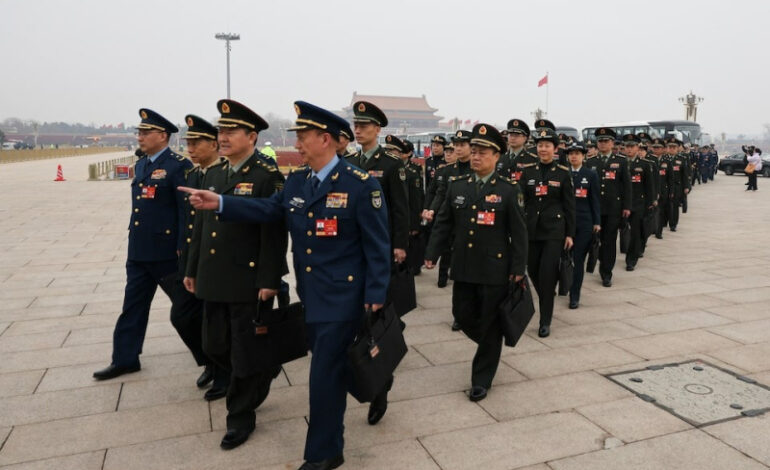
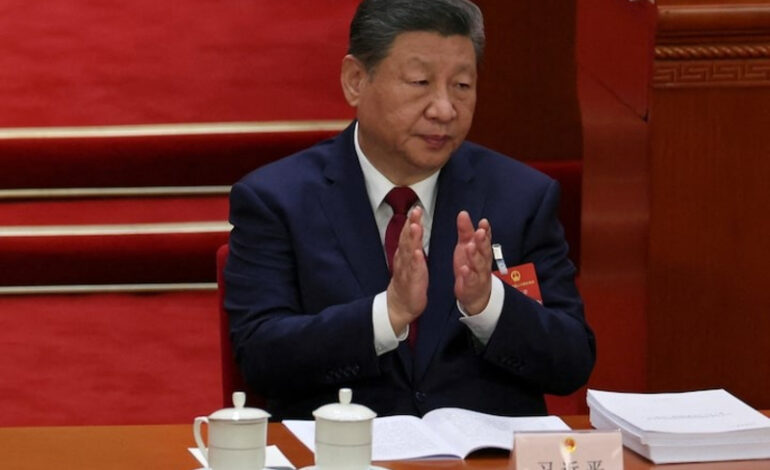
China has announced a seven percent increase in defence spending for 2026 as the country continues its long term effort to modernise the military and strengthen national security capabilities. The increase was outlined during the annual parliamentary session where Chinese leaders presented the government’s economic and policy priorities for the coming year. Although the rise represents the slowest growth rate in several years, it still exceeds the country’s overall economic growth target and highlights Beijing’s determination to enhance military readiness as geopolitical tensions in Asia continue to evolve.
The new defence budget reflects China’s ambition to complete major stages of military modernisation by the year 2035. Government leaders have emphasized the need to develop advanced combat capabilities and improve the technological sophistication of the armed forces. Over the past decade China has invested heavily in modern military equipment including advanced missile systems, naval vessels, submarines and surveillance technologies. These investments are part of a broader strategy aimed at strengthening the country’s ability to defend its territorial interests and maintain stability in surrounding regions.
China’s defence spending strategy is closely linked to its broader economic planning. Policymakers are attempting to balance national security priorities with the need to sustain economic growth while addressing domestic challenges such as property market pressures and weak consumer demand. For 2026 the government has set an economic growth target of approximately four and a half to five percent, a level that reflects slower expansion compared with earlier years but still indicates continued development momentum.
Military modernization has become an important pillar of China’s national strategy as technological innovation increasingly shapes the future of warfare. The government has prioritized the development of advanced defence technologies including artificial intelligence systems, unmanned platforms and sophisticated surveillance capabilities. Analysts say these technologies could significantly change how modern militaries operate by enabling more integrated command systems and improving the ability to gather and process large volumes of data in real time.
Regional observers closely monitor China’s defence budget because it provides insight into the country’s strategic priorities. China’s military spending has steadily increased over the past two decades as the country’s economy expanded and its international influence grew. Today China represents one of the largest defence spenders in the world and accounts for a substantial share of military expenditure across Asia. The steady growth of the defence budget has enabled the modernization of the People’s Liberation Army across land, sea, air and cyber domains.
China’s leadership has also emphasized maintaining strong political oversight of the military. In recent years authorities have launched internal investigations and disciplinary actions aimed at addressing corruption and strengthening accountability within the armed forces. These measures are intended to improve operational efficiency while reinforcing the political structure that governs the military command system.
The announcement of higher defence spending also comes amid ongoing tensions in the Taiwan Strait and broader strategic competition in the Indo Pacific region. Chinese leaders have reiterated their commitment to national sovereignty and territorial integrity while expressing opposition to external interference in regional affairs. At the same time several neighboring countries and international observers continue to monitor the pace of China’s military expansion and the evolving security environment across East Asia.