China raises fuel price cap in largest increase in four years as global oil surge intensifies
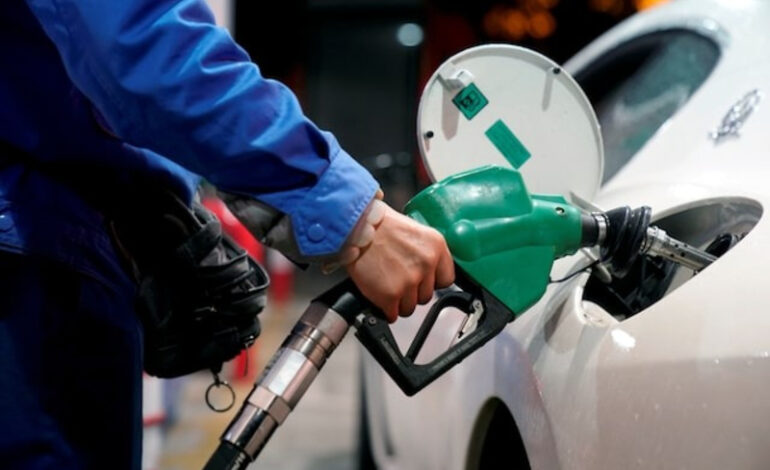
China has implemented its largest increase in retail fuel price caps in four years as international oil prices surge amid escalating conflict involving Iran in the Middle East. Authorities raised the regulated ceiling prices for gasoline and diesel across the country following a sharp jump in global crude benchmarks. The adjustment reflects the pressure that rising energy costs are placing on major economies as geopolitical tensions disrupt global supply expectations. As the world’s second largest oil consumer China closely monitors global price movements and periodically adjusts domestic fuel prices to reflect changes in international crude markets.
According to the latest announcement from China’s economic planning authority, the price ceiling for gasoline has been raised by about 695 yuan per metric ton while diesel prices increased by approximately 670 yuan per metric ton. The new price levels took effect shortly after the announcement and represent the most significant adjustment since early 2022. Officials said the increase was necessary after international crude benchmarks climbed sharply in recent weeks. Brent crude and other global oil indicators have surged well above previous levels as energy markets react to rising geopolitical risks and concerns about supply disruptions.
China operates a regulated fuel pricing mechanism designed to balance domestic economic stability with global market realities. The government reviews retail gasoline and diesel prices roughly every ten working days and adjusts national price ceilings based on movements in international crude oil markets. The formula also factors in refining costs, taxes, transportation expenses and reasonable profit margins for energy companies. This system allows prices to respond to global energy conditions while preventing sudden spikes that could disrupt economic activity or place excessive pressure on consumers.
The latest price increase also comes as China moves to safeguard domestic fuel supply during a period of global energy uncertainty. Industry sources say authorities have urged refineries to prioritize domestic demand and limit exports in order to stabilize supply inside the country. Refinery output has faced pressure in recent weeks as global energy markets react to geopolitical tensions and rising shipping risks in key oil transport routes. By tightening domestic supply management, policymakers hope to ensure that transportation and industrial sectors continue operating without disruption.
Energy analysts say the developments highlight how closely China’s economy remains tied to global oil markets despite its growing investment in renewable energy technologies. The country continues to rely heavily on imported crude oil to support transportation networks, industrial production and logistics systems. Rising international oil prices therefore have a direct impact on domestic fuel costs and broader economic conditions. As global energy markets remain volatile, policymakers are expected to closely monitor supply trends and adjust domestic pricing policies to maintain stability in the world’s largest energy consuming economies.