China ramps up Ukraine wheat flour trade channels
China’s Strategic Agricultural Imports
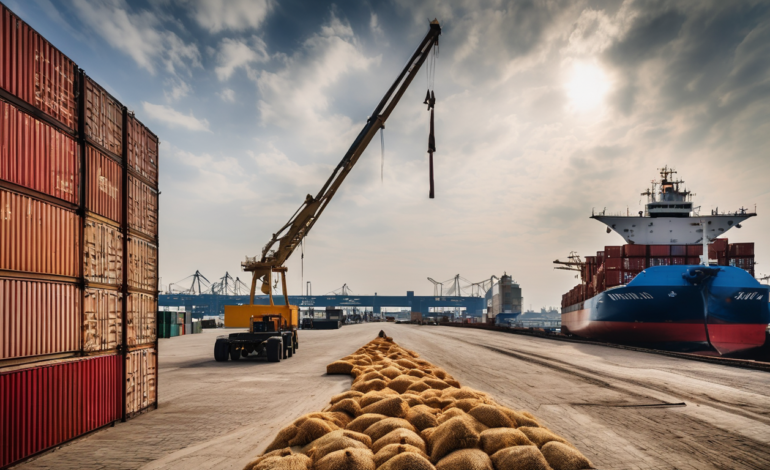
China agricultural trade is shifting as buyers widen the list of staple inputs they source from overseas, and Ukrainian wheat flour has moved from a niche item to a tracked import line. Traders and millers are watching contract terms closely because flour purchases are more sensitive than raw grain to packaging, shelf life, and certification, which makes every shipment a test of logistics. Today, procurement desks describe the move as a response to price spreads and dependable milling specifications rather than symbolism. A Live view of port and customs flows shows the change is measurable, with flour units arriving alongside other food commodities. In the latest Update from market desks, the key point is that China is treating flour as a strategic complement to existing grain sourcing, not a replacement.
Diplomatic Relations with Ukraine
China-Ukraine trade around food products is also being shaped by how both sides keep technical channels open, especially on inspection protocols, payment assurances, and shipping documentation. Commercial counterparts have emphasized predictable rules for sanitary and phytosanitary checks, because small delays can erase the margin on processed goods such as flour. In the middle of wider trade conversations, a related read on policy signaling is available here, China Signals Balanced Trade as Opening Reforms Deepen, as firms look for clarity on import treatment. Today, Ukrainian wheat suppliers are positioning flour as a reliable specification product rather than a one off cargo. A Live rhythm of communication between exporters, brokers, and Chinese buyers has reduced avoidable disputes, while an Update from shipping agents points to tighter scheduling that supports repeat orders.
Impact on Global Wheat Market
Wheat flour imports can affect pricing signals differently from bulk wheat because flour reflects processing costs, energy inputs, and quality grading, all of which vary by origin and timing. When China increases purchases, the market response can show up in spreads between milling wheat and feed wheat, and in regional freight premiums for containerized food cargo. Analysts tracking Ukrainian wheat flows note that flour trade can redirect some value added activity away from destination mills, which matters for competing exporters. A useful external reference on the underlying demand shift is SCMP reporting on China’s growing appetite for Ukrainian wheat flour, which details the commercial drivers behind the trend. This change also tightens competition for supply in certain months, influencing offers in Asia and the Middle East.
Balancing Russian and Ukrainian Trade
China is simultaneously managing commodity exposure across multiple partners, and the flour purchases add another lane to a portfolio that already includes energy, metals, and other farm goods. The practical issue for importers is risk distribution, making sure that no single origin dominates at the precise moment logistics or finance becomes complicated. By bringing in Ukrainian wheat flour while maintaining other commodity lines, China can keep procurement flexible and negotiate on specifications rather than politics. The approach resembles how manufacturers diversify components, a pattern seen in other sectors as well, and a parallel example of competitive pricing pressure is discussed in Chinese Memory Giants Grow Share With Low Prices. For food traders, the result is that origin choices become a tool to stabilize delivered costs, not a statement, and contracts increasingly emphasize performance and compliance.
Future Prospects for China’s Food Security
For food security planners, processed imports like flour are evaluated on resilience metrics: consistent quality, dependable delivery windows, and the ability to scale volumes without creating bottlenecks at ports or warehouses. Flour shipments require clean handling and faster inland movement, so the systems that support them can also strengthen broader cold chain and packaged food logistics. China’s interest in building greener transport and land use efficiency plays into this, because improved infrastructure reduces losses and protects margins, a theme echoed in China’s Sea of Death Desert Transformed Into Expanding Green Forest Landscape. If Ukrainian wheat continues to meet specification and reliability benchmarks, the trade line becomes more than opportunistic, it becomes a repeatable supply option. Over time, the strongest indicator will be contract renewal behavior and the stability of inspection pass rates.