China reiterates commitment to Venezuela as ambassador meets interim leader

China has reaffirmed its support for Venezuela’s government amid heightened international pressure, following a meeting between China’s ambassador to Caracas and Venezuela’s interim president.
Delcy Rodriguez, who assumed leadership after former president Nicolas Maduro was detained by United States forces, described her meeting with Chinese ambassador Lan Hu as cordial and expressed gratitude for Beijing’s stance. She thanked China for condemning what Venezuela views as a violation of its sovereignty and a breach of international law, and welcomed Beijing’s continued backing for Caracas in protecting its national independence and security. China’s position has resonated with Venezuelan officials who are navigating a turbulent political moment.
China’s foreign ministry spokeswoman emphasized that Beijing attaches great importance to its relations with Venezuela and will maintain communication and cooperation regardless of political changes in the South American nation. She said China will firmly support Venezuela in safeguarding sovereignty, national dignity and lawful interests. That stance reflects a consistent theme in China-Venezuela ties, where both governments emphasise mutual respect and non-interference.
The meeting comes at a sensitive time, as regional and global attention focuses on the future of Venezuelan governance and the broader geopolitical implications of recent events. China has repeatedly condemned unilateral actions that it argues undermine international law and the independence of sovereign states. Beijing’s statements have echoed in diplomatic settings, underscoring an insistence on resolving conflicts through political and legal channels rather than force.
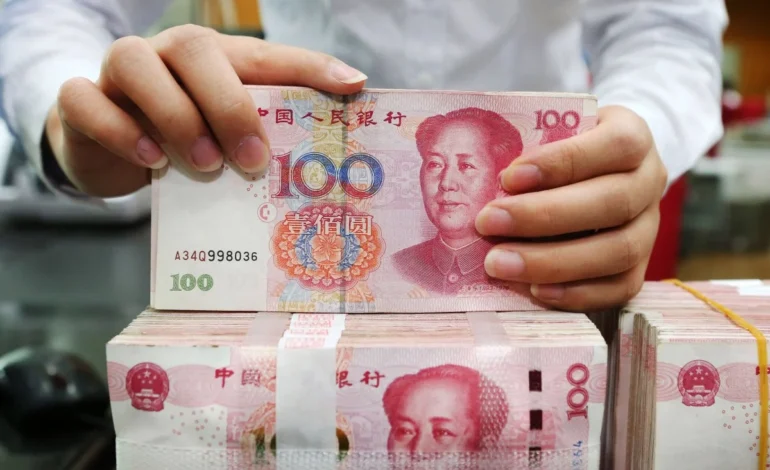
Beyond political solidarity, China’s engagement with Venezuela is rooted in long-standing economic and strategic ties. For years, Caracas has counted on Beijing for financial support, trade partnerships and infrastructure investment. Venezuela’s energy sector, in particular, has attracted Chinese funding and cooperation, with oil exports to China forming a central part of the bilateral economic relationship. These connections have provided mutual benefits and helped anchor ties even during periods of domestic and international upheaval.
Analysts say China’s cautious but firm support reflects a broader diplomatic strategy. Beijing seeks to uphold principles of sovereignty and non-intervention, positioning itself as a partner to governments facing external pressure while avoiding direct confrontation with the United States. That balance has become more delicate in the wake of the dramatic shifts in Venezuela’s political landscape, but Chinese officials appear determined to maintain a stable partnership.
For Maduro’s government and its supporters, China’s backing offers both political reassurance and leverage. Rodriguez and other Venezuelan officials have underscored their appreciation for China’s condemnation of foreign interference and reaffirmed a commitment to expand economic and trade cooperation. In public statements, they have framed Beijing’s support as vital to defending Venezuela’s sovereignty and development ambitions.
While the situation in Venezuela continues to unfold, China’s message of commitment signals that its interest in supporting Caracas is unlikely to waver. The relationship goes beyond diplomatic rhetoric, encompassing long-term cooperation and shared views on principles of state sovereignty, even as both countries navigate shifting geopolitical pressures and evolving regional dynamics.