China rejects G2 world order as Wang Yi calls for multipolar global cooperation
China’s foreign minister has rejected the idea of a global leadership structure dominated by two major powers, arguing that international governance should reflect a broader system involving all nations. Speaking during a press conference on the sidelines of China’s annual legislative meetings in Beijing, the country’s top diplomat emphasized that the global order should not revolve around competition between the United States and China. Instead, he presented China as a stabilizing force advocating cooperation and multilateralism at a time when geopolitical tensions and regional conflicts are reshaping the international landscape.
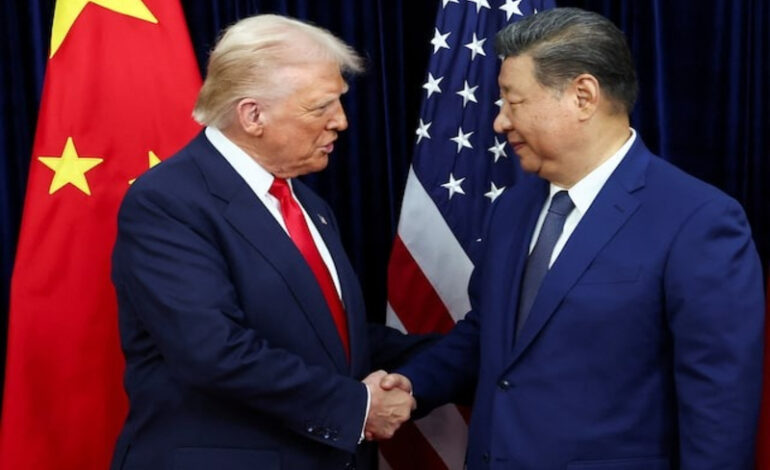
During the extended briefing, the Chinese diplomat addressed growing speculation about a so called G2 framework in which Washington and Beijing would jointly dominate global decision making. He dismissed that concept, stating that the world consists of more than one hundred ninety countries whose voices must be represented in international governance. According to his remarks, concentrating power in the hands of only two nations could recreate the kind of great power rivalry that has historically contributed to instability and conflict. Chinese officials instead argue that international institutions should remain central to global cooperation and conflict resolution.
The comments come as global political dynamics are increasingly shaped by economic competition, regional conflicts and shifting alliances. China’s leadership has repeatedly promoted the concept of a multipolar international system in which power is distributed across multiple countries rather than concentrated in a single bloc. Officials say such a structure would reduce the risk of confrontation between major powers and provide smaller nations with a stronger role in global decision making. The emphasis on multilateral cooperation has also become a recurring theme in China’s diplomatic messaging at international forums and policy gatherings.
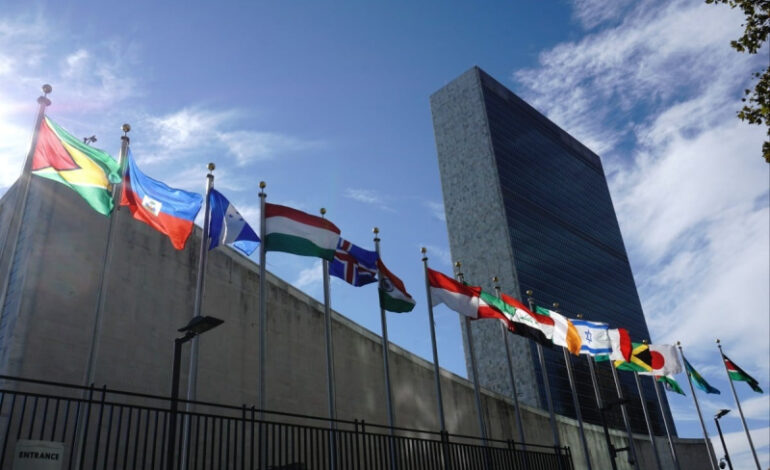
The foreign minister also highlighted the role of the United Nations as a key platform for managing global challenges ranging from security disputes to economic development. According to Chinese officials, strengthening international institutions can help prevent geopolitical competition from escalating into broader conflicts. The remarks were delivered against a backdrop of rising tensions in several regions including the Middle East as well as ongoing trade frictions between major economies. Chinese diplomats argue that cooperative frameworks are essential to prevent global divisions from deepening during a period of rapid geopolitical change.
China has increasingly positioned itself as a supporter of international stability during what its leaders describe as a period of transformation in global politics. Officials often refer to the current moment as one marked by significant shifts in economic power, technological development and geopolitical alignment. By promoting a multipolar world order and stronger multilateral cooperation, Beijing aims to present its foreign policy approach as an alternative to great power rivalry. The message is intended to reassure developing nations and international partners that China supports a global system built on dialogue, shared development and balanced governance among many countries.