China Scales Back Africa Lending and Shifts to Yuan
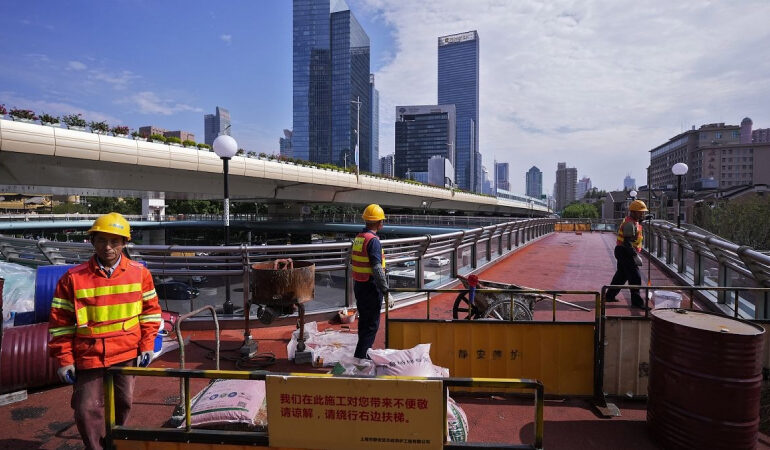
China sharply reduced its lending to Africa in 2024, signalling a structural shift in how Beijing finances overseas engagement. Total new loans fell to about $2.1 billion, nearly half the level recorded a year earlier and far below the peaks of the mid 2010s when annual commitments regularly exceeded $10 billion. The decline marks the first sustained pullback since the pandemic and reflects a deliberate move away from large scale infrastructure megaprojects. Instead of financing railways ports and highways at scale, Chinese institutions are prioritising smaller projects with clearer commercial logic. The adjustment follows a period in which several African borrowers struggled with debt servicing, pushing Beijing to reassess risk exposure. Lending is no longer being used as a blunt geopolitical tool but as a calibrated financial instrument aligned with balance sheet discipline and project viability.
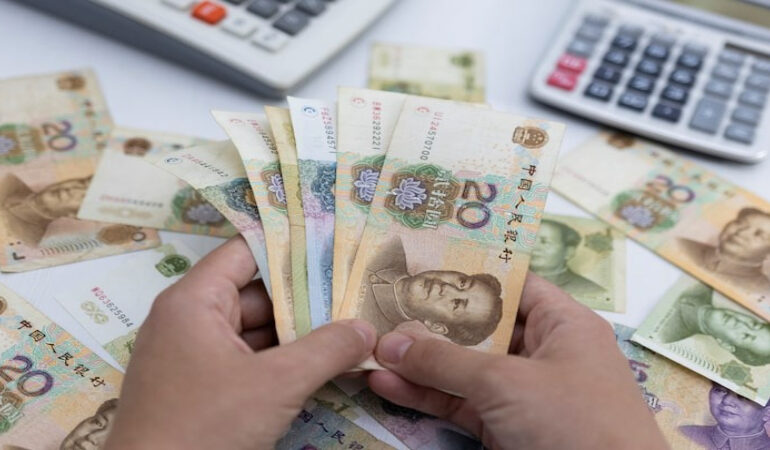
A key feature of this new phase is the growing use of yuan denominated financing. Data compiled by Boston University Global Development Policy Center shows that China is increasingly replacing dollar loans with renminbi based instruments, particularly for infrastructure and trade related funding. In countries such as Kenya, all new Chinese infrastructure loans in 2024 were issued in yuan, and existing dollar obligations have been converted into the Chinese currency. This shift reduces foreign exchange risk for Chinese lenders while advancing the international use of the yuan through practical settlement channels. Financing is also being routed more often through local and regional African banks, placing responsibility for credit allocation closer to end borrowers. The emphasis is on supporting small and medium sized enterprises trade finance and targeted upgrades rather than headline projects that strain public balance sheets.
For China Crunch, the significance lies in how China’s Africa strategy is becoming more financialised and risk aware. The era of rapid capital deployment tied to the early Belt and Road Initiative is giving way to a model focused on sustainability control and currency alignment. Africa remains strategically important, but engagement is now shaped by return profiles and institutional resilience rather than scale alone. Yuan lending and selective project choice point to a longer term objective of embedding China’s financial architecture abroad without repeating past debt cycles. This evolution reflects a broader pattern in China’s external economic policy, where overseas exposure is being tightened and integrated into domestic financial stability goals. Rather than retreating from Africa, China is redefining the terms of engagement in ways that prioritise durability over visibility.