China signals potential retaliation as Mexico raises tariffs on key exports
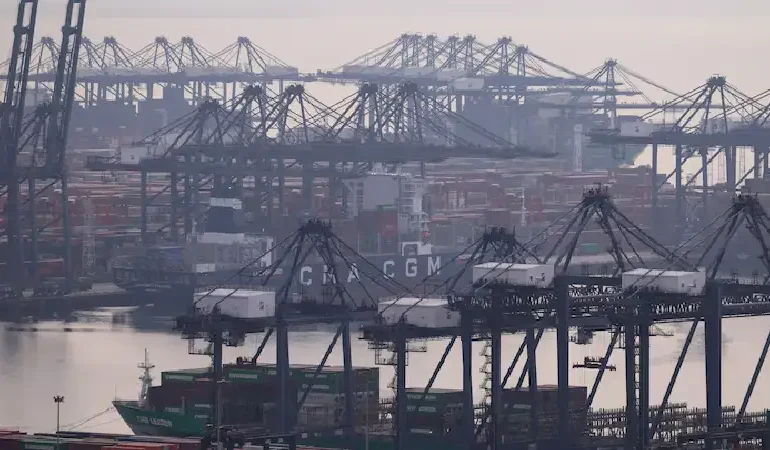
China has warned that it may take countermeasures after Mexico imposed sweeping tariff increases on a wide range of Chinese imports, escalating trade tensions between the two economies. Beijing described the measures as barriers to trade and investment, arguing they disproportionately affect Chinese industries and undermine fair market access. The tariffs, which apply to products worth more than $30 billion, have triggered concerns across manufacturing sectors, particularly as global trade flows face increasing disruption amid shifting geopolitical and economic alignments.
According to Chinese authorities, the tariff hikes could result in losses of around $9.4 billion for the country’s mechanical and electrical industries, with the automotive sector expected to bear the largest share. Mexico was China’s biggest destination for vehicle exports in 2025, making the impact on carmakers and parts suppliers particularly significant. The duties, which can reach up to 35 percent on many goods, are also expected to affect shipments of metals, chemicals, textiles, and light industrial products, amplifying pressure on exporters already navigating a complex global trade environment.
The move by Mexico has been widely interpreted as part of a broader strategy to align with United States trade policy, where tariffs on Chinese goods remain elevated. Analysts suggest that the decision reflects growing geopolitical influence over trade decisions, as countries adjust policies to balance economic interests with strategic partnerships. For China, the tariffs represent a challenge not only to export volumes but also to its expanding presence in Latin American markets, where it has been increasing investment and trade engagement in recent years.
Chinese officials emphasized that the country retains the right to respond in order to protect its economic interests, although no specific countermeasures have yet been announced. The commerce ministry has indicated that it is evaluating options, which could include reciprocal tariffs or other policy responses. In addition to tariff barriers, China has raised concerns about non tariff measures introduced by Mexico, such as stricter customs inspections, which it says could further restrict business operations and investment activities for Chinese firms.
The dispute comes at a time when global trade dynamics are undergoing significant change, with supply chains being reconfigured and countries adopting more protective policies. China’s export driven sectors, particularly in manufacturing and automotive industries, are increasingly exposed to such shifts. At the same time, emerging markets like Mexico are becoming key battlegrounds for trade influence, as they play a growing role in regional supply chains and international production networks.
Additional context highlights how trade tensions are increasingly intertwined with broader economic and technological competition. As industries become more reliant on advanced manufacturing, digital systems, and cross border logistics, trade policies are shaping not only market access but also long term industrial strategies. The impact of tariffs extends beyond immediate financial losses, influencing investment decisions, production planning, and global supply chain configurations.
Recent developments suggest that further escalation cannot be ruled out if negotiations fail to ease tensions. Businesses in affected sectors are closely monitoring the situation, as potential countermeasures from China could lead to wider disruptions in trade flows. The evolving dispute underscores the fragile nature of global trade relationships, where policy shifts in one region can quickly ripple across industries and markets worldwide.