China signals reset in EU ties as lawmakers visit for first time in eight years
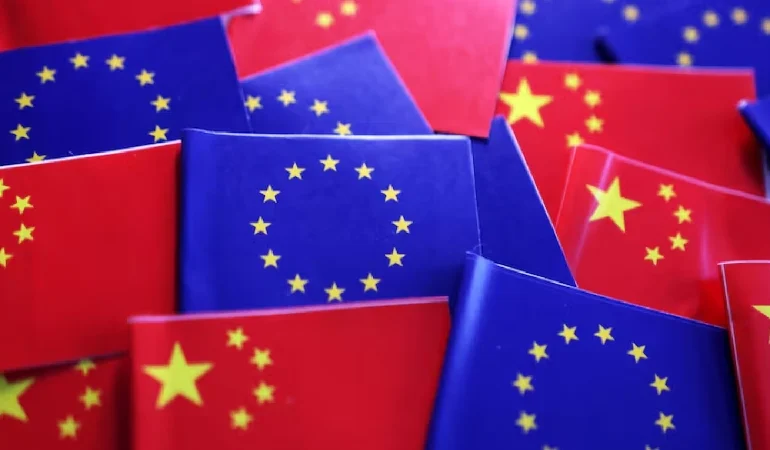
China has welcomed a delegation of European Union lawmakers for the first time in eight years, framing the visit as an opportunity to stabilise relations that have been strained by trade tensions, regulatory disputes and broader geopolitical differences. The delegation, focused on market and consumer protection issues, is expected to engage with Chinese officials in Beijing and Shanghai as both sides explore ways to rebuild trust and improve economic cooperation. The visit marks a cautious step toward re engagement between the two sides following years of limited high level legislative exchange.
The discussions are expected to center on digital trade, e commerce regulation and fair market competition, areas that have become increasingly contentious in recent years. European lawmakers are scheduled to meet with regulators as well as major Chinese technology and retail platforms including Alibaba, Shein and Temu. The focus reflects growing European concerns about product standards, platform accountability and the competitive impact of Chinese exporters on domestic markets.
The visit comes shortly after the European Union introduced changes to its customs framework aimed at tightening oversight of cross border e commerce, including potential penalties for companies that sell unsafe or non compliant goods. These measures are widely seen as targeting Chinese platforms, adding pressure to an already complex relationship shaped by trade imbalances and regulatory friction. At the same time, China has taken steps to ease tensions, including lifting sanctions on certain European lawmakers, signaling a willingness to improve diplomatic and economic ties.
Broader geopolitical dynamics continue to influence the relationship, with differences over global security issues and supply chain dependencies remaining key points of concern. China’s role in critical industries, including rare earth materials and manufacturing, has heightened strategic considerations within Europe, while ongoing global tensions have added further complexity to bilateral engagement. Both sides are navigating a balance between economic cooperation and strategic competition as they seek to protect their respective interests.
Parallel diplomatic activity underscores the sensitivity of the current moment, as a separate group of European lawmakers engages with Taiwan’s leadership, reflecting Europe’s expanding outreach in the region. This dual track engagement highlights the delicate nature of EU China relations, where economic collaboration coexists with political divergence. As both sides explore avenues for dialogue, the visit represents a tentative step toward restoring communication channels and addressing shared challenges in trade, technology and global economic stability.