China Signals Reset Push With UK as Starmer Visits Beijing
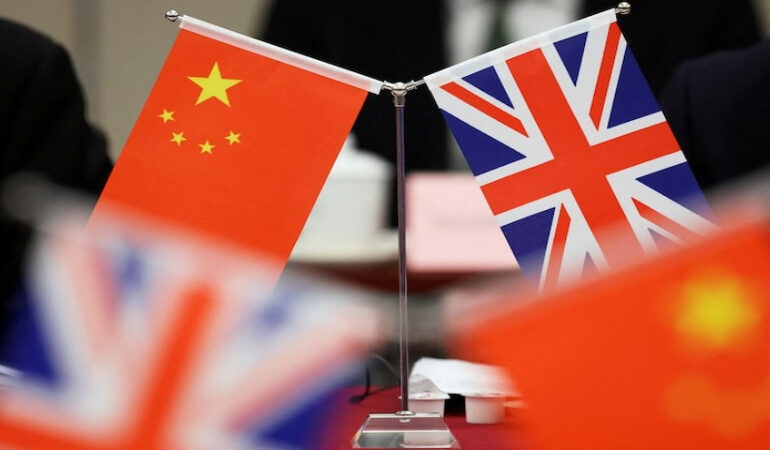
China is seeking to deepen economic and political cooperation with the United Kingdom as British Prime Minister Keir Starmer visits Beijing this week, signalling a tentative reset in bilateral ties after years of strain. Chinese officials said Beijing is ready to enhance mutual trust and expand practical cooperation with Britain, framing the visit as an opportunity to stabilise relations with a major Group of Seven economy. The trip comes at a time when China is looking to improve engagement with developed markets amid slowing growth and heightened geopolitical pressure. For London, the visit reflects a more pragmatic approach to China that prioritises economic interests while managing political and security differences. The tone from Chinese ministries suggests a focus on commerce and investment rather than broader strategic disputes, underscoring Beijing’s preference for compartmentalised engagement.
During the visit, Starmer is scheduled to meet President Xi Jinping, Premier Li Qiang, and China’s top legislator Zhao Leji, highlighting the political weight Beijing is attaching to the engagement. Chinese officials described the meetings as a chance to strengthen dialogue at the highest level and rebuild confidence after a period marked by diplomatic tensions and reduced contact. The optics of the meetings matter as much as their substance, signalling that China sees value in restoring regular exchanges with European partners despite ongoing disagreements over trade, technology and security. For Beijing, improved ties with the UK could help counter perceptions of isolation among advanced economies.
Economic cooperation is expected to be central to the visit, with China’s commerce ministry saying Starmer will lead a delegation of more than 50 British companies and institutions spanning finance, healthcare and manufacturing. Trade and investment agreements are expected to be signed, reflecting mutual interest in reviving commercial flows that have lagged amid political uncertainty. Chinese officials emphasised the goal of creating a fair and transparent business environment governed by clear rules, language aimed at reassuring foreign investors wary of regulatory risks. Britain has remained cautious about Chinese investment in sensitive sectors, but businesses continue to see opportunities in areas such as financial services, green technology and advanced manufacturing. The visit suggests both sides are testing whether economic pragmatism can outweigh political friction.
The outreach to Britain fits into a broader Chinese strategy of selective engagement with Western economies at a time when relations with the United States remain tense. By strengthening ties with London, Beijing can signal openness to cooperation without making concessions on core strategic issues. For the UK government, the challenge will be balancing commercial engagement with domestic political concerns and alignment with allies. While expectations for a dramatic reset are limited, the visit marks a step toward normalising dialogue and exploring incremental cooperation. In that sense, the meetings reflect a cautious recalibration rather than a wholesale shift, with both sides seeking stability and economic benefit while keeping deeper disagreements contained.