China Simplifies Visa Rules for Indian Travellers as Economic Ties Slowly Rebuild
Visa Applications Move Online for Indian Nationals
China has eased visa requirements for Indian citizens in a move that signals a gradual normalisation of economic and people to people ties between Asia’s two largest nations. Earlier this month, the Chinese embassy in New Delhi announced that Indian travellers can now apply for Chinese visas online, removing the need for an initial in person visit to embassy or consular offices. The change takes effect from December twenty two and is expected to significantly reduce time and administrative friction for applicants.
Accessing a Rapidly Growing Travel Market
The simplified visa process is widely seen as an effort by Beijing to tap into India’s fast expanding outbound travel sector, valued at around twenty one point six billion US dollars. India has emerged as one of the world’s fastest growing sources of international tourists, driven by a rising middle class expanding air connectivity and increased demand for business leisure and education travel. Lowering entry barriers positions China to recapture a share of this lucrative market after years of disruption.
Flights Resume After Five Year Suspension
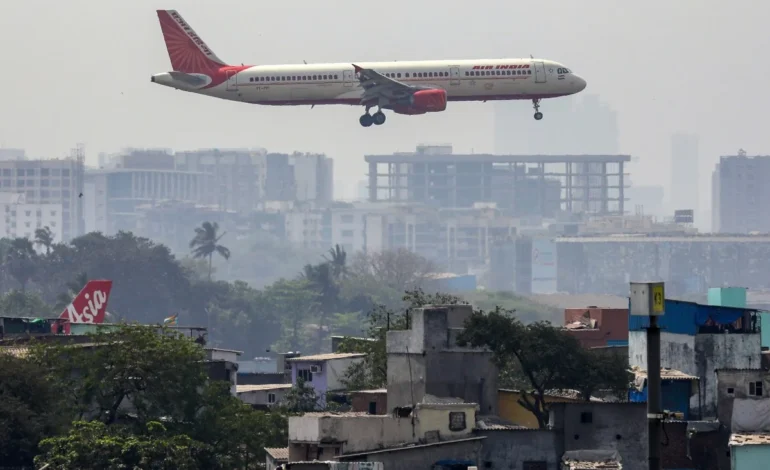
The visa easing follows another major step in bilateral engagement with the resumption of direct passenger flights between India and China in October. Air links had been suspended for five years, severely limiting business travel tourism and academic exchange. Restoring direct flights has reduced travel time and costs, making short term visits more viable and reinforcing the impact of the new visa rules.
Diplomatic Thaw After Border Tensions
Relations between Beijing and New Delhi deteriorated sharply after a deadly border clash in the Himalayan region in 2020. Since then, political dialogue has been cautious and limited, with economic engagement also affected. While both countries remain strategic rivals competing for regional influence, recent developments suggest a slow and pragmatic thaw focused on trade connectivity and mobility rather than formal political reconciliation.
Economic Signals Behind the Policy Shift
Easing visa rules is often viewed as a low risk diplomatic signal that can generate economic benefits without requiring major concessions. For China, attracting Indian travellers supports sectors such as aviation hospitality retail and education at a time when domestic consumption remains under pressure. For India, improved access facilitates business engagement student mobility and participation in regional supply chains.
Business and Education Travel in Focus
Indian professionals and students are among the groups likely to benefit most from the policy. China remains a key destination for manufacturing sourcing trade fairs academic collaboration and language studies. Online visa applications streamline planning for short term business trips and reduce uncertainty for companies managing cross border operations.
Tourism Potential Beyond Business
Beyond commercial travel, the move could gradually revive leisure tourism between the two countries. Chinese destinations have historically attracted Indian tourists interested in culture heritage and natural landscapes. Easier visa access combined with restored flights may help rebuild tourist flows that collapsed after 2020.
Strategic Competition Still Shapes Relations
Despite these positive steps, structural tensions remain. China and India continue to compete across Asia in infrastructure diplomacy trade influence and security partnerships. Visa easing does not alter underlying strategic calculations, but it reflects a recognition on both sides that limited cooperation can coexist with rivalry.
Incremental Normalisation Through Mobility
The focus on travel and visas highlights how mobility often leads diplomatic recovery. People to people contact business exchange and tourism tend to precede deeper economic integration. By prioritising practical measures, Beijing and New Delhi appear to be testing whether incremental normalisation can rebuild trust over time.
A Calculated Opening Rather Than a Reset
China’s decision to simplify visas for Indian citizens represents a calculated opening rather than a full reset of relations. It underscores the importance of economic pragmatism in a shifting regional landscape and signals that despite political differences, both sides see value in restoring channels of engagement.