China Ski Resort’s Birthday Carry Service Sparks Debate Over Novelty and Boundaries
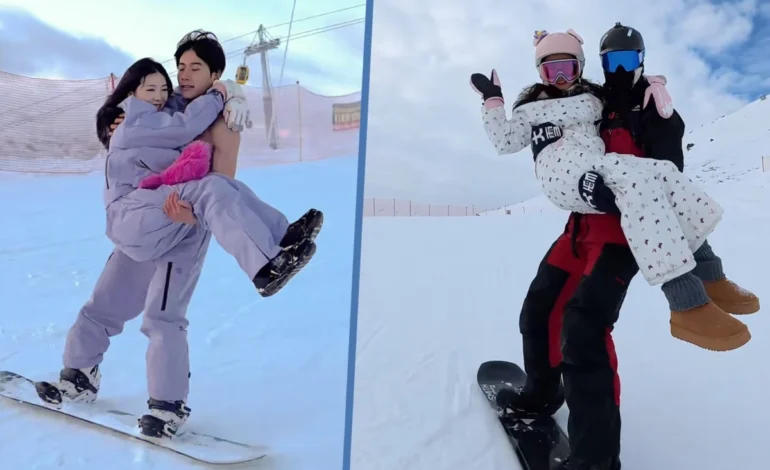
A luxury experience built around attention and spectacle
A ski resort in China has drawn widespread attention after introducing a premium birthday service in which female guests are carried down a ski slope by instructors. Priced at around US$700, the experience is marketed as a celebratory moment designed to make birthdays feel memorable, glamorous, and emotionally special. Videos and photos shared online show instructors lifting women guests and escorting them carefully down the snow while other skiers look on. For supporters, the service represents creativity and personalization in a competitive tourism market. For critics, it raises deeper questions about professionalism, safety, and social boundaries in leisure spaces.
Emotional value as a selling point
Backers of the service argue that modern tourism is increasingly about feelings rather than facilities alone. Ski resorts across China face intense competition, not only from each other but also from theme parks, wellness retreats, and urban entertainment venues. In this environment, operators are under pressure to offer experiences that feel unique and emotionally engaging. Supporters say the birthday carry service appeals to guests who want to feel celebrated and cared for, especially on special occasions. They describe it as a harmless indulgence that transforms an ordinary ski day into a story worth remembering and sharing.
Public criticism and concerns over boundaries
Despite its popularity online, the service has also attracted sharp criticism. Detractors argue that close physical contact between instructors and guests risks crossing professional lines, even if the interaction is consensual. Some observers have questioned whether the concept reinforces gender stereotypes by focusing exclusively on women as recipients of attention. Others worry that normalizing such services could create uncomfortable expectations for staff, particularly young instructors who may feel pressured to participate for commercial reasons. Safety concerns have also been raised, as carrying someone down a slope introduces risks for both the guest and the instructor, even under controlled conditions.
Social media reaction and cultural context
The debate has been amplified by social media, where short videos often strip away context and invite strong reactions. Supporters praise the service as fun, lighthearted, and voluntary, while critics see it as performative and inappropriate for a sporting environment. The divided response reflects broader cultural shifts in China, where consumer culture increasingly blends luxury, intimacy, and online visibility. Experiences designed for sharing on social platforms can quickly become symbols of excess or controversy, depending on public mood and framing.
Tourism innovation versus ethical responsibility
The controversy highlights a tension faced by many tourism operators. Innovation can drive growth and attract younger audiences, but it also demands careful consideration of ethics, labor conditions, and social norms. Experiences that rely on physical closeness or personal attention must be clearly regulated, transparent, and optional for both guests and staff. Without clear guidelines, what begins as a novelty can easily become a reputational risk.
A test case for experiential tourism
Ultimately, the ski resort’s birthday service serves as a test case for how far experiential tourism can go before it meets resistance. Whether the service will be modified, expanded, or quietly withdrawn remains to be seen. What is clear is that consumers are no longer just evaluating price and quality, but also values and boundaries. As China’s leisure industry continues to evolve, operators will need to balance emotional appeal with respect, safety, and professionalism if they want novelty to translate into long term success.