China Street Food Vendors Rally Around Cancer-Stricken Colleague with QR Code Fundraiser
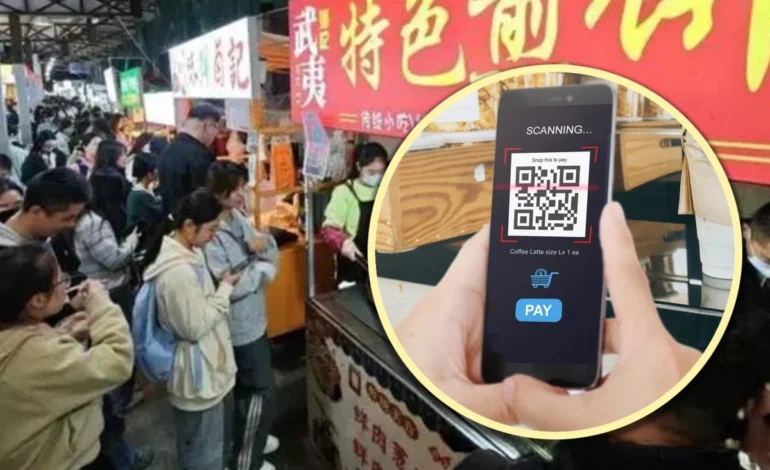
A Community Comes Together on a Food Street
A quiet food street near Fujian Normal University in the southeastern Chinese city of Fuzhou became the scene of an extraordinary act of solidarity earlier this month. Local street food vendors decided to donate an entire day’s earnings to help one of their own, a fellow stall holder battling cancer and mounting medical bills. In just twenty four hours, the group raised nearly three thousand US dollars, demonstrating the strength of informal community networks in China’s street economy.
Helping a Vendor in Crisis
The fundraising effort was organised to support Zhang Jianwu, a fifty year old street food seller who until recently worked daily preparing and selling pan fried meat cakes. Known among his peers for his tireless work ethic, Zhang was diagnosed with kidney cancer and forced to stop working while undergoing treatment. According to local reports, he had often worked so intensively that he barely had time for breaks, a reflection of the physical demands many small food vendors face.
A Simple Idea with Big Impact
To raise funds quickly, neighbouring stall owners came up with a simple but powerful idea. For one full day, they replaced their own mobile payment QR codes with Zhang’s. Customers buying snacks meals or drinks unknowingly contributed directly to his medical fund. In a country where digital payments are deeply embedded in daily life, the QR code swap turned routine transactions into acts of generosity without disrupting business operations.
Donations Flow In Within Hours
The response was immediate. Throughout the day, payments accumulated steadily as regular customers and passersby continued to eat along the food street. By the end of twenty four hours, the vendors had collected around two thousand nine hundred US dollars. For a group of small independent sellers, many of whom operate on thin margins themselves, the collective sacrifice was significant.
Emotional Support Beyond Financial Help
Beyond the money raised, the gesture carried deep emotional meaning. Fellow vendors described Zhang as someone who had always been dedicated to his work and supportive of others. The decision to donate earnings was seen not as charity but as mutual aid. In tightly knit street markets, vendors often rely on each other for shared resources information and protection. This act reinforced those bonds at a moment of personal crisis.
Street Vendors and Informal Safety Nets
The episode highlights how informal communities often fill gaps left by limited social safety nets. Many street vendors lack comprehensive health insurance or financial buffers to cope with serious illness. When medical emergencies arise, support often comes from family friends and colleagues rather than formal institutions. The Fuzhou fundraiser illustrates how digital tools combined with traditional solidarity can create rapid grassroots solutions.
Customers Respond to the Story
Once word spread about the purpose behind the QR code change, customers expressed admiration and encouragement. Some chose to make additional donations after learning about Zhang’s condition. The story resonated widely on Chinese social media, where users praised the vendors for their compassion and unity. Many commented that such everyday kindness offered a reminder of shared humanity amid economic pressure.
A Reflection of Shared Struggles
Life on China’s street food circuits is demanding. Long hours physical labour and uncertain income are common. Zhang’s illness brought these realities into focus, reminding vendors that any one of them could face similar hardship. By acting together, they transformed vulnerability into collective strength.
More Than a One Day Fundraiser
While the funds raised will help cover some of Zhang’s medical expenses, the impact of the gesture goes beyond money. It affirmed that even in highly competitive environments, cooperation and empathy endure. The food street near Fujian Normal University returned to its normal routine the next day, but the sense of shared purpose remained. For Zhang and his colleagues, the QR code fundraiser became a lasting symbol of community care in the face of adversity.