China Strengthens Digital Trade Corridors as Supply Chain Technology Integration Deepens
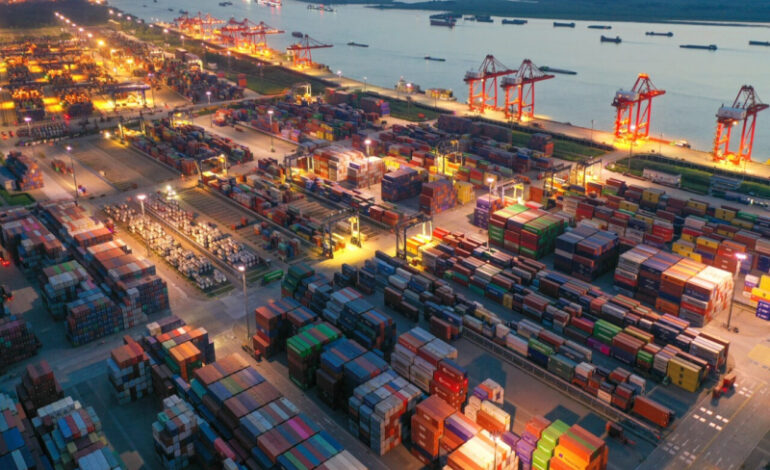
China is accelerating efforts to strengthen digital trade corridors as technology becomes increasingly embedded within global supply chains. In 2026, policymakers and industry leaders are focusing on integrating logistics infrastructure, financial settlement systems, and digital data platforms to improve trade efficiency and transparency. The shift reflects a growing recognition that modern trade competitiveness depends not only on ports, railways, and shipping routes but also on the digital systems that coordinate transactions and logistics across borders.
Trade corridors historically depended on physical transport infrastructure. Today, digital infrastructure is emerging as an equally important layer supporting international commerce. China’s approach combines logistics modernization with advanced digital platforms capable of managing shipping documentation, cargo tracking, and payment verification. By integrating these systems, authorities aim to reduce delays in cross border transactions and improve the reliability of global supply chain operations.
Digital Infrastructure Transforms Trade Logistics
China’s logistics sector has undergone rapid technological transformation over the past decade. Major ports and transportation hubs now rely on digital platforms that coordinate cargo movement, shipping schedules, and customs procedures. These systems allow logistics operators to monitor container movements in real time while sharing information across multiple stakeholders involved in trade transactions.
The development of digital trade corridors builds upon these logistics innovations. Trade platforms connect exporters, shipping companies, customs authorities, and financial institutions within a unified digital environment. When information flows efficiently between these participants, businesses can reduce administrative bottlenecks and accelerate shipment processing times.
Data integration also allows supply chain managers to anticipate disruptions and optimize delivery schedules. In industries where manufacturing timelines depend on reliable component deliveries, these digital capabilities help companies maintain stable production cycles.
Technology Platforms Supporting Trade Coordination
Digital platforms designed for international trade coordination are becoming increasingly sophisticated. Many systems now incorporate cloud based data management tools and secure communication channels that allow participants to exchange shipping records, invoices, and regulatory documentation electronically.
These platforms reduce the need for manual paperwork while improving transparency within supply chains. Exporters can confirm documentation status quickly, while financial institutions gain better visibility into trade transactions that require payment verification. The result is a more efficient ecosystem where technology supports collaboration among diverse participants in global commerce.
Technology companies developing these platforms are emerging as important contributors to China’s broader digital economy strategy. Their software solutions support industries ranging from manufacturing to logistics and international trade services.
Financial Settlement and Trade Efficiency
Financial settlement is another critical component of digital trade corridors. Cross border payments traditionally involve multiple intermediary banks and complex compliance procedures that can slow transaction processing. Integrating digital settlement systems with logistics platforms allows payments to be verified more quickly once trade conditions are fulfilled.
For example, payment confirmation may occur automatically when shipping records and customs clearance data are validated through digital systems. Such automation reduces administrative workload for companies and financial institutions while improving transaction reliability. These improvements are particularly valuable for small and medium sized exporters that depend on timely payment flows to maintain operational stability.
Policy Support and Global Trade Strategy
China’s digital trade corridor initiatives align with broader economic strategies aimed at strengthening international trade connectivity. Government programs encourage the adoption of advanced logistics technology and digital financial infrastructure that supports cross border commerce.
Regional governments frequently collaborate with technology firms and logistics providers to develop digital trade platforms that connect industrial clusters with global markets. These initiatives support export oriented manufacturing sectors by ensuring that trade processes remain efficient and technologically advanced.
Policy frameworks also emphasize cybersecurity protection and data governance within digital trade systems. Maintaining secure and reliable digital infrastructure is essential for preserving trust among international trading partners and financial institutions participating in these networks.
Global Implications for Supply Chain Technology
China’s digital trade corridor strategy has implications for global supply chain development. As digital logistics platforms become more widely adopted, international businesses may adjust their operational models to align with technology driven trade networks.
Countries and companies engaged in global manufacturing increasingly rely on digital tools to coordinate production schedules, shipping routes, and financial transactions. The expansion of digital trade infrastructure in China therefore contributes to broader trends shaping the future of international commerce.
Technological integration across supply chains allows companies to respond more quickly to changing market conditions. When logistics data, financial settlement, and regulatory documentation operate within connected digital systems, trade networks become more resilient and efficient.
Conclusion
China’s strengthening of digital trade corridors highlights the growing role of technology in modern supply chain management. By integrating logistics platforms, digital documentation systems, and financial settlement infrastructure, the country is building a trade environment where digital coordination enhances efficiency and reliability across global commerce networks.