China Strengthens Domestic Semiconductor Manufacturing as New Fab Projects Enter Production
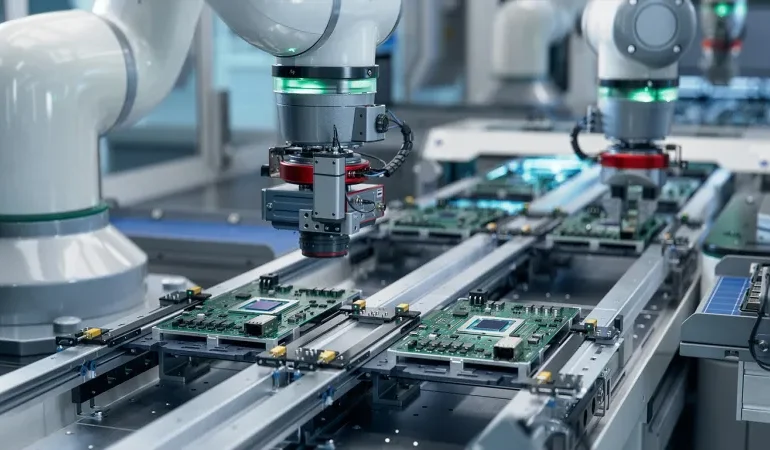
China’s semiconductor sector is entering a new phase of expansion in 2026 as several domestic fabrication facilities begin moving from construction into active production. The development reflects rising demand for integrated circuits across industries such as electric vehicles, consumer electronics, telecommunications equipment, and industrial automation. Semiconductor manufacturing has become an essential foundation of China’s technology ecosystem, and the launch of new fabrication projects signals a broader effort to reinforce supply chain resilience while supporting long term technological development.
New Fabrication Facilities Boost Production Capacity
New semiconductor fabrication plants are gradually increasing output as production lines become operational across multiple industrial regions. These facilities are designed to produce a wide range of integrated circuits used in consumer devices, automotive electronics, and industrial control systems. While advanced semiconductor technologies continue to evolve globally, a large share of electronic products depend on mature manufacturing nodes that offer reliable performance and cost efficiency.
China’s new fabrication plants are therefore expanding production capacity in these widely used chip categories. The strategy allows manufacturers to meet growing domestic demand while reducing dependence on external suppliers for essential components. As production capacity increases, semiconductor firms can support downstream industries that rely on stable chip supply for large scale manufacturing operations.
Domestic Demand from Technology Industries
Rising semiconductor demand in China is closely linked to the rapid growth of several technology sectors. Electric vehicle manufacturing requires specialized chips for battery management, energy control systems, and driver assistance technologies. As EV production expands, the need for reliable semiconductor components continues to increase.
Consumer electronics manufacturers also contribute significantly to chip demand. Smartphones, wearable devices, and smart home appliances rely on integrated circuits that manage processing, connectivity, and energy efficiency. In addition, industrial automation systems use microcontrollers and sensor chips to support robotics and smart factory technologies.
Telecommunications infrastructure represents another major source of semiconductor demand. Data centers, network equipment, and communication devices require processors and connectivity chips to handle increasing volumes of digital traffic. As China’s digital economy expands, these technology sectors continue driving semiconductor consumption.
Policy Support and Industrial Strategy
China’s semiconductor manufacturing expansion is closely aligned with national industrial development strategies. Policymakers view chip production as a critical component of technological self reliance and economic security. As a result, government initiatives encourage investment in fabrication facilities, semiconductor research, and advanced manufacturing equipment.
Local governments frequently support semiconductor projects by providing infrastructure development, industrial land, and technology collaboration platforms. These regional initiatives help create semiconductor clusters where fabrication plants operate alongside design companies, equipment manufacturers, and materials suppliers. Concentrating resources within specialized industrial zones helps accelerate innovation and improve manufacturing efficiency.
Equipment and Materials Supply Chains
Semiconductor fabrication depends on a sophisticated network of supporting industries including equipment manufacturing, chemical processing, and materials engineering. Chinese companies operating in these areas are increasing research and development efforts to strengthen the domestic semiconductor ecosystem.
Advances in materials science and manufacturing equipment contribute to improved yield rates and production reliability within fabrication facilities. As supporting industries expand their capabilities, semiconductor manufacturers gain access to more integrated supply chains that enhance operational stability. This ecosystem development is an important factor in sustaining long term growth within China’s chip manufacturing sector.
Impact on Global Technology Markets
China’s expansion of semiconductor fabrication capacity carries implications for global technology supply chains. As domestic chip production grows, Chinese electronics manufacturers gain greater control over component availability and production timelines. This stability supports large scale manufacturing operations that supply international markets.
At the same time, global semiconductor demand continues rising as digital technologies transform industries such as healthcare, energy, and transportation. China’s increasing role in semiconductor production therefore contributes to the broader global effort to maintain adequate chip supply for expanding technology markets.
Long Term Outlook for Semiconductor Manufacturing
The continued launch of new fabrication projects suggests that semiconductor manufacturing will remain a strategic priority for China’s technology sector. With demand rising across multiple industries, investment in chip production capacity is expected to support both economic growth and technological innovation.
As fabrication facilities expand operations and supporting industries strengthen their capabilities, China’s semiconductor ecosystem will continue evolving. This development provides technology companies with the manufacturing infrastructure necessary to develop new electronic products and advanced digital systems.
Conclusion
China’s new semiconductor fabrication projects entering production in 2026 highlight the growing importance of domestic chip manufacturing. Driven by rising demand from electric vehicles, electronics, and telecommunications infrastructure, expanded fabrication capacity is strengthening China’s technology supply chains and supporting the country’s broader industrial development strategy.