China Tightens Market Oversight to Guide a Steadier Equity Rally
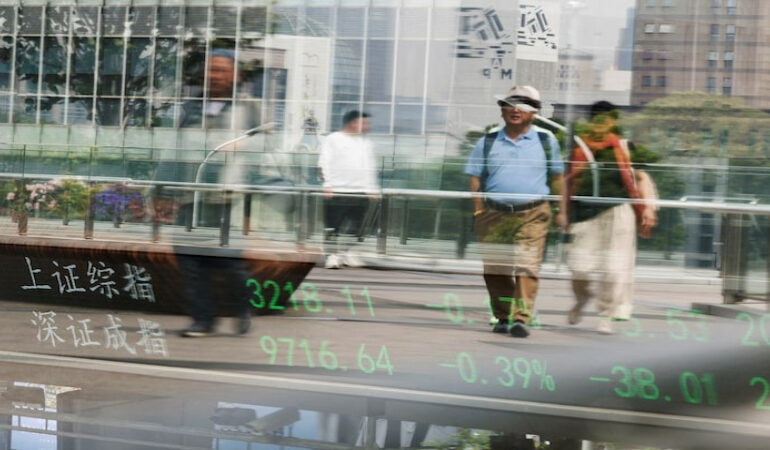
China’s financial regulators are moving to cool overheated trading activity as stock markets extend a strong rally, signaling a clear preference for stability over rapid gains. As international investors gradually turn their attention back toward Chinese assets, policymakers are aiming to encourage a steady rise in valuations that strengthens confidence without inviting excessive speculation.
Market supervision has intensified following sharp gains in mainland equities, driven in part by leverage and short term trading strategies. Authorities have stepped up enforcement against irregular trading practices, sending a message that while higher prices are welcome, disorderly behavior will not be tolerated. The approach reflects a broader effort to position China’s financial markets as reliable channels for long term capital rather than vehicles for rapid profit taking.
Officials and analysts note that a healthier stock market plays a growing role in China’s economic ambitions. Rising equity values can support technology development, expand household wealth, and reinforce economic resilience at a time when global conditions remain uncertain. With geopolitical tensions reshaping capital flows, Beijing sees stable financial markets as a strategic asset in attracting global investors seeking diversification.
Regulators have recently handled a record number of cases involving market manipulation, including schemes designed to artificially inflate share prices. Penalties have also been imposed on financial firms found to have engaged in illegal fundraising or misuse of client assets. Alongside enforcement actions, authorities have adjusted trading rules by tightening margin financing, limiting access to sensitive market data for certain traders, and curbing the influence of online stock promoters.
Cooling measures have not been limited to equities. Oversight in commodities futures markets has also been strengthened after sharp rises in metal prices. Regulators have raised margin requirements and restricted the number of new positions traders can open, aiming to reduce excessive risk taking while preserving market function.
State backed investors have played a notable role in shaping the pace of the rally. Rather than acting as buyers of last resort, some have trimmed equity holdings to moderate price increases. Exchange traded funds associated with sovereign investment vehicles have recorded sizable net outflows, a signal that official actors are actively managing market momentum rather than chasing higher prices.
Despite tighter controls, investor sentiment has remained relatively resilient. Analysts say the measured nature of the intervention has helped avoid the sharp confidence shocks seen during earlier regulatory crackdowns. Many market participants now view the current approach as an attempt to guide expectations and prevent a repeat of past cycles where rapid gains were followed by painful reversals.
Longer term reforms are also contributing to the shift in perception. Policies encouraging share buybacks, dividend payments, and reduced equity fundraising have begun to alter corporate behavior, returning more capital to shareholders. In currency markets, the yuan has been allowed to strengthen gradually, supporting efforts to enhance its international standing and reinforce confidence in China’s financial system.