China urges ceasefire in Gulf as tensions escalate amid expanding regional conflict
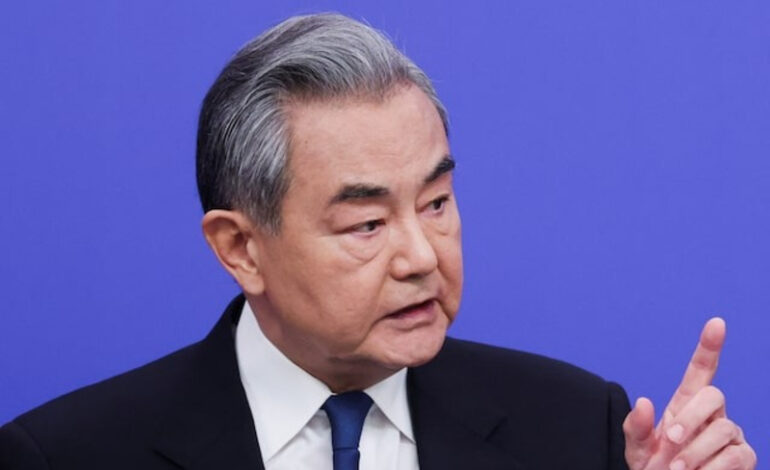
China’s foreign minister has called for an immediate ceasefire in the Gulf region as geopolitical tensions intensify following a series of military exchanges linked to the conflict involving Iran. Speaking during diplomatic discussions with regional leaders, China emphasized the importance of deescalation and respect for national sovereignty across the Gulf. The appeal highlights Beijing’s growing concern about the impact of escalating conflict on global stability and energy markets. As one of the world’s largest energy importers and a major trading partner for Gulf economies, China has a strong interest in maintaining peace and security across the strategically important region.
During recent diplomatic phone conversations with foreign ministers from Gulf countries, Chinese officials stressed that all parties should prioritize dialogue and avoid actions that could further escalate the crisis. The discussions focused on protecting the sovereignty and territorial integrity of states in the region while encouraging efforts to restore stability through diplomatic channels. Chinese diplomats also emphasized that prolonged conflict could undermine economic development and disrupt vital international trade routes that pass through the Gulf, an area that serves as a critical corridor for global energy shipments.
China has increasingly positioned itself as a supporter of diplomatic solutions to regional conflicts, particularly in areas that influence global trade and energy flows. Officials expressed deep concern about the rapidly evolving security situation and indicated that Beijing is prepared to play a constructive role in promoting peace efforts. The Gulf region is central to the global energy system, and instability there can quickly ripple through international oil markets. Analysts note that rising tensions have already contributed to increased volatility in commodity markets and growing uncertainty among investors.
The diplomatic outreach reflects China’s broader foreign policy approach that emphasizes dialogue, negotiation and respect for national sovereignty in international affairs. In recent years Beijing has expanded its diplomatic engagement across the Middle East, strengthening economic partnerships with Gulf states while also maintaining ties with Iran. This balanced diplomatic posture allows China to communicate with multiple stakeholders and potentially contribute to conflict resolution initiatives when tensions rise.
Global attention remains focused on developments in the Gulf as governments monitor the risk of further escalation and its potential economic consequences. The region plays a vital role in the supply of oil and natural gas to global markets, making stability a priority for many major economies. Chinese officials have reiterated that maintaining peace in the Gulf is essential not only for regional security but also for the stability of international trade, energy supplies and global economic growth.