China Urges De Escalation in Middle East Conflict as Economic Risks Mount
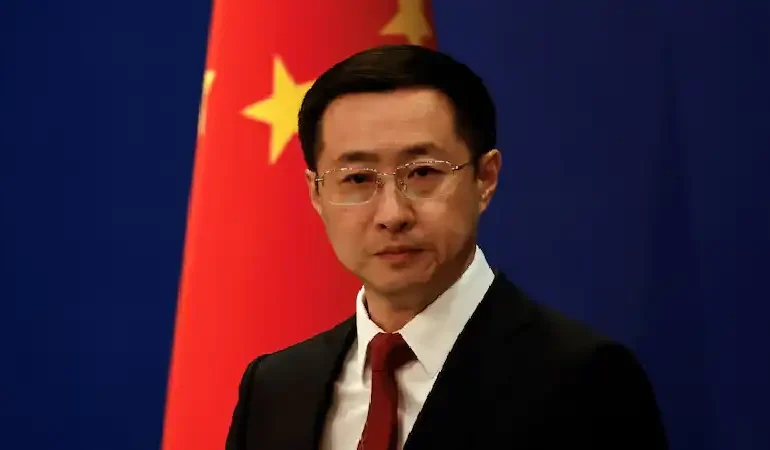
China has called on the United States and Israel to halt military actions in the Middle East, warning that continued escalation could trigger a dangerous cycle of instability with far reaching global consequences. Officials stressed that rising tensions risk deepening conflict across the region, increasing pressure on global energy markets and disrupting trade flows. The appeal comes as geopolitical uncertainty intensifies and policymakers assess the broader economic impact of prolonged hostilities. Beijing has positioned itself as a voice for de escalation, emphasizing dialogue and mediation as essential steps to prevent further deterioration of the situation.
Chinese diplomats highlighted that military escalation could lead to widespread instability, affecting not only regional security but also global economic conditions. Officials warned that continued conflict may disrupt key shipping routes and energy supplies, particularly through critical transit points that play a major role in global oil distribution. Any prolonged disruption could push energy prices higher, increasing costs for industries and consumers worldwide. This environment raises concerns for major economies that rely on stable trade and energy access, with ripple effects expected across manufacturing and supply chains.
China has also emphasized the importance of historical lessons, noting that past conflicts in the region have resulted in long term instability and economic damage. Officials referenced earlier wars that led to prolonged disruptions, highlighting the risks of repeating similar patterns. The message underscores Beijing’s broader diplomatic stance that military solutions often lead to unintended consequences, including power vacuums and extended regional volatility. By drawing parallels with previous conflicts, China is reinforcing its argument for immediate restraint and a shift toward negotiated outcomes.
Economic analysts are increasingly focused on how the conflict could affect China’s growth outlook, particularly through its impact on exports and energy costs. Emerging markets, which are key destinations for Chinese goods, may face additional strain due to rising fuel prices and weaker economic conditions. This could reduce demand for Chinese exports in the coming months, adding pressure to an already complex global trade environment. At the same time, higher energy prices could influence domestic inflation trends, potentially altering the balance between growth and price stability.
Despite these risks, China is considered relatively resilient in the face of energy disruptions due to its diversified energy mix and existing reserves. Coal continues to play a significant role in the country’s energy consumption, providing a buffer against external shocks in oil and gas markets. Additionally, strategic stockpiles and diversified import channels offer some protection against supply interruptions. However, sustained increases in global energy prices could still feed into broader economic pressures, affecting production costs and consumer prices over time.
The evolving situation has prompted financial institutions to adjust their economic forecasts, reflecting uncertainty around growth and inflation. Analysts have noted that continued instability in the Middle East could weigh on global demand and investment sentiment, with potential spillover effects into Asia’s largest economies. For China, this means navigating a complex external environment where geopolitical risks intersect with economic planning and policy decisions. The outlook will depend heavily on how quickly tensions can be contained and whether supply chains remain intact.
China has indicated that it remains engaged in diplomatic communication with multiple parties involved in the conflict, aiming to support efforts that reduce tensions and maintain stability in key regions. This approach reflects a broader strategy of balancing economic interests with geopolitical positioning, as the country seeks to protect trade routes and maintain steady growth. As developments continue to unfold, global markets and policymakers are closely monitoring whether diplomatic initiatives can prevent further escalation and stabilize the broader economic landscape.