China Urges End to Gulf Conflict as It Positions Itself in Southeast Asia Energy Supply Shift
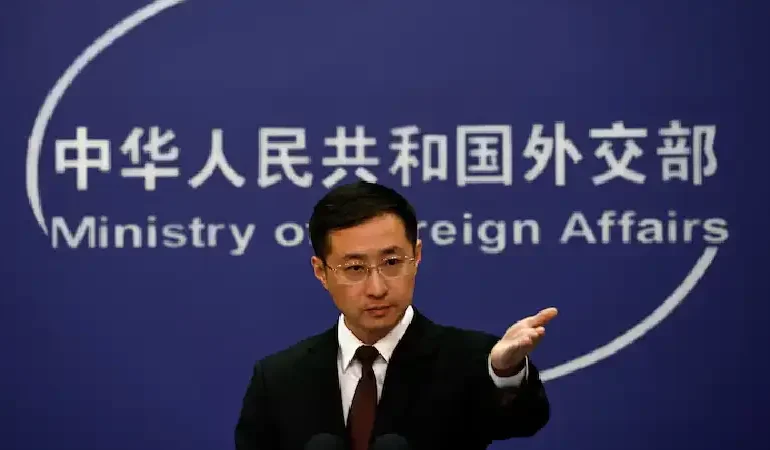
China has called for an immediate de escalation of the Gulf conflict while signalling its readiness to support Southeast Asian nations facing energy shortages. As global oil markets react to disrupted supply routes, Beijing is presenting itself as a stabilising force advocating for secure shipping lanes and uninterrupted trade flows. Officials emphasised that maintaining open waterways is critical to global economic stability, particularly as tensions continue to affect key transit points. The move reflects China’s growing diplomatic focus on energy security, positioning itself as a partner for countries seeking stability amid increasing uncertainty.
The proposal comes as Southeast Asia, home to hundreds of millions of energy dependent consumers, faces mounting pressure from rising fuel costs and supply disruptions. China has indicated its willingness to coordinate with regional governments to address these challenges through closer energy cooperation. This includes potential support in managing supply chains and ensuring access to critical resources. However, recent decisions by Beijing to restrict exports of refined fuels and related products highlight its parallel focus on safeguarding domestic needs, creating a complex balance between internal stability and regional engagement.
Chinese officials have linked the ongoing conflict directly to broader disruptions across global markets, including trade, finance and shipping. They stressed that continued instability could have lasting consequences for economic growth worldwide. In diplomatic discussions with international counterparts, China has underscored the responsibility of major powers to prevent further escalation. At the same time, analysts note that Beijing is carefully navigating the situation, seeking to expand its influence without exposing itself to excessive risk in volatile energy markets that remain essential to its manufacturing driven economy.
The crisis is also opening new opportunities for China to strengthen ties in regions where its influence has previously been limited. Southeast Asian countries are increasingly exploring alternative partnerships as they seek reliable energy solutions. Early discussions between regional officials and Chinese representatives suggest a willingness to deepen cooperation despite existing geopolitical tensions. This shift reflects how energy security concerns can reshape diplomatic relationships, particularly when traditional supply routes and alliances are under strain.
Beyond immediate supply concerns, the situation is accelerating interest in longer term energy strategies across the region. Disruptions to fossil fuel flows are highlighting the importance of diversification, including investments in renewable energy and nuclear capacity. China’s established position in these sectors gives it an advantage as countries look for partners to support future energy transitions. As the conflict continues to influence global dynamics, Beijing’s approach combines diplomatic messaging with strategic positioning, aiming to expand its role in shaping regional energy security frameworks.