China Weighs Brazil and US Supplies as Soybean Self Sufficiency Push Reshapes Trade
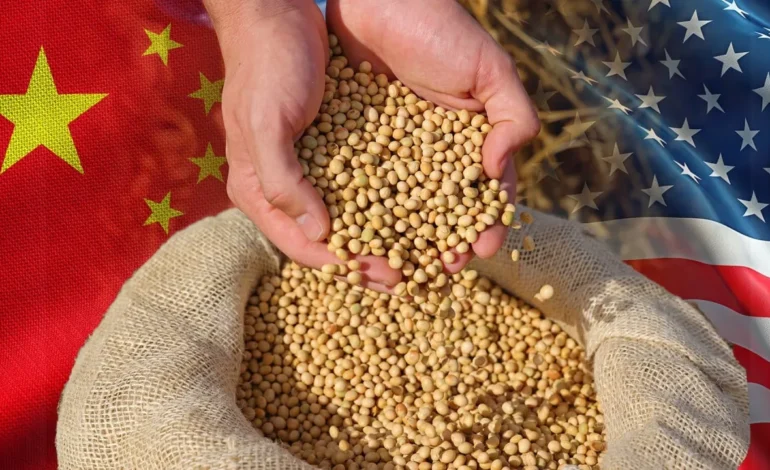
China’s soybean supply strategy is entering a new phase as the country seeks to balance its heavy reliance on imports with a growing push for domestic self sufficiency. While Brazil and the United States remain China’s two most important overseas suppliers, long term efforts to boost local production are expected to gradually reshape how Beijing manages one of its most critical agricultural imports.
As the world’s largest soybean consumer, China currently relies on imports for about 90 percent of its total demand. These beans are essential for animal feed, cooking oil, and food processing, making supply security a strategic priority. Brazil and the US dominate this trade, but each plays a different role in meeting China’s needs.
Brazilian soybeans have become the backbone of China’s import strategy in recent years. Large harvests, expanding farmland, and relatively lower production costs have made Brazilian beans consistently cheaper than those from the United States. As a result, Brazil has steadily increased its market share, especially during periods of trade tension between Washington and Beijing. For Chinese buyers focused on cost control and supply volume, Brazilian soybeans offer both price competitiveness and reliability.
US soybeans, by contrast, are often more expensive and subject to greater price swings. Domestic weather conditions, shifts in farm policy, and trade disputes have all contributed to volatility. Even after a partial easing of trade tensions since late October, US soybeans continue to command a premium. According to Chinese government data, the cost and freight price for US soybeans scheduled for January delivery stood at 498 US dollars per tonne in early December, around 17 dollars higher than comparable Brazilian shipments. This price gap has limited US competitiveness, even as China continues to value the scale and quality of American supply.
Chinese grown soybeans tell a different story altogether. Domestic beans typically trade at a much higher price than imported ones, often at least one third more. This reflects lower yields, higher farming costs, and the fact that locally produced soybeans are mainly used for direct human consumption rather than bulk feed. While they are not a substitute for imports in volume terms, they play a key role in food security and rural development policies.
Looking ahead, China’s strategy appears focused on diversification rather than replacement. Policymakers are encouraging higher domestic yields through better seeds and farming practices, while also promoting alternative protein sources to reduce feed demand growth. At the same time, imports from Brazil and the US are expected to remain indispensable, especially as meat consumption continues to rise.
Analysts say Brazil is likely to remain China’s top supplier in the near term due to its cost advantage and expanding output. The US, meanwhile, will continue to play a strategic balancing role, particularly when supply risks or logistical issues affect South America.
Rather than choosing between Brazil and the United States, China’s soybean balancing act is about maintaining flexibility. By combining multiple foreign suppliers with gradual domestic improvements, Beijing aims to reduce vulnerability to shocks while ensuring stable and affordable supplies for its vast market.