China Weighs Israel Relationship as Iran Conflict Reshapes Middle East Dynamics
China is expected to recalibrate aspects of its relationship with Israel as the latest wave of United States and Israeli military strikes on Iran alters the Middle East security environment. Analysts say Beijing will likely fine tune its diplomatic messaging and economic engagement while maintaining its long standing strategy of balanced diplomacy across the region.
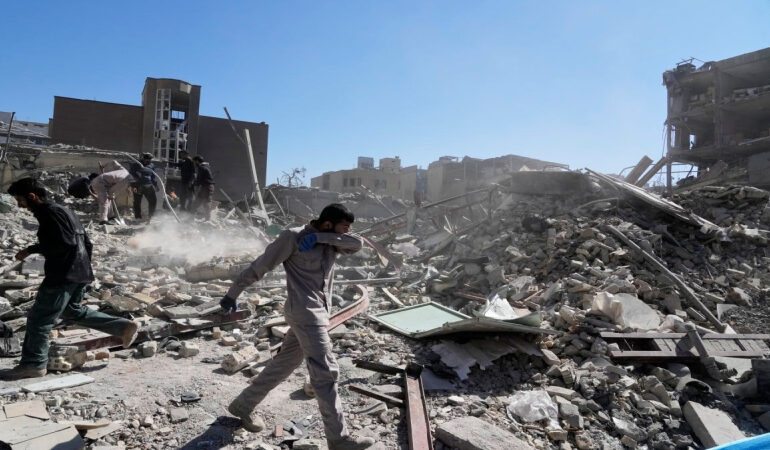
The recent escalation followed stalled nuclear negotiations between Washington and Tehran, triggering air strikes that significantly disrupted Iran’s political and security structure. Subsequent retaliatory attacks by Tehran against Israeli targets and US facilities in the Gulf have intensified regional instability and heightened global market concerns.
For China, the Middle East represents a critical source of energy imports and an important arena for infrastructure and trade partnerships. Beijing has cultivated ties with both Iran and Israel over the past decade, expanding cooperation in technology, construction, energy and investment. This dual track approach has allowed China to position itself as a pragmatic economic partner while avoiding direct entanglement in regional rivalries.
Israel has become an increasingly significant technology partner for Chinese firms, particularly in sectors such as artificial intelligence, advanced manufacturing and agricultural innovation. At the same time, Iran remains strategically important to China as a major oil supplier and as a participant in long term economic cooperation frameworks.
The latest conflict introduces new diplomatic sensitivities. Strong public support for Israel could complicate Beijing’s relations with Tehran and other Middle Eastern partners. Conversely, distancing from Israel might strain existing commercial projects and technology collaboration. As a result, observers expect China to emphasize calls for de escalation, dialogue and respect for sovereignty while carefully managing bilateral engagements behind the scenes.
Energy security remains a primary consideration. Disruptions to oil flows through critical transit routes would directly affect China’s economy. Any prolonged instability that constrains supply or drives sustained price increases could prompt Beijing to intensify diplomatic outreach aimed at stabilizing the region.
China has in recent years sought to elevate its profile as a mediator in Middle Eastern affairs, including brokering rapprochement efforts between regional rivals. Maintaining credibility as a neutral actor requires cautious positioning during periods of military confrontation.
While tactical adjustments may occur in investment pace or official rhetoric, analysts broadly agree that China is unlikely to abandon its broader Middle East strategy. Balanced diplomacy allows Beijing to safeguard economic interests, secure energy supplies and preserve flexibility amid shifting geopolitical alignments.
As the regional security landscape evolves, China’s approach will likely focus on minimizing economic risk, protecting trade corridors and sustaining relationships on multiple fronts without becoming directly drawn into the conflict’s military dimensions.