China Woman Arrested in Japan for Allegedly Stealing Fish Bone Waste to Feed Restaurant Staff and Customers
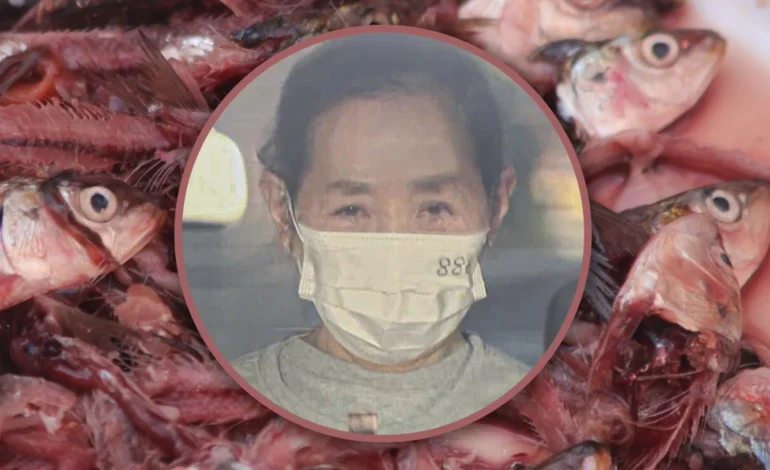
A 66 year old Chinese restaurant owner living in Japan has been arrested for stealing fish bone waste from a seafood wholesaler, a case that has quickly gained widespread attention online. The woman, surnamed Wu, is accused of taking around 30 kilograms of leftover tuna bones valued at only 210 yen. Although the monetary value is extremely small, the arrest has stirred a mix of public sympathy, criticism and debate about waste, poverty and policing.
Details Behind the Arrest
According to Tokyo police, the incident took place over several nights in late November. Surveillance footage reportedly shows Wu riding her bicycle to the collection point of a company that purchases fish bones. The material she allegedly took included tuna loins and bones discarded after processing. Police say she placed the items in her bicycle basket and into a styrofoam box before leaving the scene.
Officers said they observed similar behaviour on November 22 after reviewing security camera footage and began monitoring the area. Wu was taken into custody on November 26 when market workers noticed her returning to the site for a third time. She has been charged with trespassing and theft, and Japanese authorities released video of her arrest showing her masked face, which further intensified public discussion.
A Restaurant Owner With a Familiar Reputation
Wu and her husband run a small Chinese restaurant about one and a half kilometres from Tokyo’s famous Toyosu Market. The eatery serves sashimi alongside Chinese seafood dishes and is known locally for its low prices. Some patrons described Wu as cheerful, friendly and hardworking. The arrest has therefore surprised many who know the couple, prompting questions about why she resorted to taking discarded fish bones.
Some online commenters speculated she may have been trying to reduce costs while keeping meals affordable for customers and staff. Others questioned whether the act should be considered serious theft at all, given that the items involved were classified as waste. Still, market operators insist that even discarded materials are part of their business workflow and cannot be removed without permission.
An Online Debate With Divided Opinions
The case has sparked a wave of debate on Chinese and Japanese social media. Some users expressed sympathy, arguing that the arrest seemed overly harsh for something with such low monetary value. They pointed out that many small restaurants struggle with rising food costs and that reusing fish bones for broth or staff meals is not uncommon in parts of Asia. Others viewed the situation differently, arguing that rules around food safety, waste handling and property rights must be respected regardless of value.
The release of Wu’s arrest footage also triggered anger among some commenters, who felt it was unnecessary and humiliating given her age and the scale of the alleged offence. Others supported the authorities’ decision, insisting that repeated trespassing justified police action.
A Case Reflecting Larger Social Issues
Beyond the immediate controversy, the incident highlights broader challenges faced by small business owners in Japan’s food industry. High operating costs, tight margins and strict regulations leave little room for mistakes. It also raises questions about how society values waste, and whether discarded food should be repurposed rather than thrown away.
For now, Wu’s case continues to draw attention as people weigh the seriousness of the alleged crime against the harshness of the response. It has become more than a simple theft case, evolving into a discussion about compassion, livelihood and the pressures faced by immigrant business owners.