China’s AI Sector Expected to Embrace Nvidia’s H200 Shipments Despite Rising Local Competition
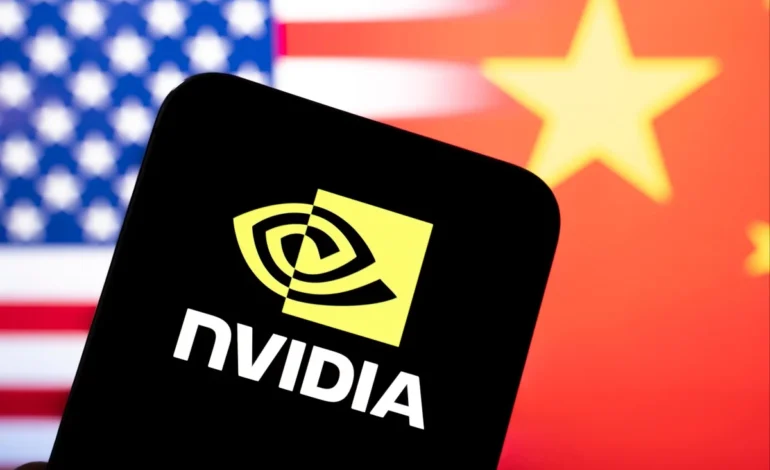
China’s artificial intelligence developers are expected to react positively to Washington’s approval for Nvidia to ship its H200 AI chips to select customers in the country, analysts said, even as Beijing continues to accelerate efforts toward technological self reliance. The approval comes amid ongoing restrictions on high performance chip exports, but the H200 is now permitted for delivery under conditions defined by the United States to ensure what it describes as national security safeguards.
US President Donald Trump announced on Monday via his Truth Social platform that he had informed Chinese President Xi Jinping of the decision. Trump said the approval was granted “under conditions that allow for continued strong national security,” and added that Xi’s response was constructive. The move marks a slight easing in an otherwise tense technology relationship between the two countries, particularly in advanced computing and AI training hardware.
Analysts say demand for the H200 remains strong among China’s leading AI companies, research labs and cloud providers. Semiconductor analyst Zhang Haijun noted that Nvidia’s chips continue to outperform Chinese made processors in key areas such as computing capacity and memory bandwidth. He said that for many AI developers, the H200 still offers advantages that are difficult to match with current domestic alternatives, especially for complex training workloads that require high efficiency on a single GPU.
However, industry experts also emphasized that the competitive landscape in China has shifted rapidly. Companies such as Huawei, Cambricon, Moore Threads and MetaX have been speeding up development of their own AI accelerators in response to US export controls implemented over the past two years. Huawei’s Ascend series in particular has gained traction among both government backed and commercial AI developers, and several Chinese cloud platforms have begun integrating domestically produced chips into their high performance computing services.
Even with Nvidia temporarily regaining limited access to the Chinese market, analysts believe the push for self sufficiency will continue. China’s long term strategy focuses on reducing exposure to external supply risks and ensuring that domestic industries can maintain progress even if foreign chip access becomes more constrained. The approval for the H200, they say, is unlikely to slow government support for homegrown semiconductor innovation.
Still, AI firms across China are expected to move quickly to secure shipments of the H200 where permitted. Many have faced shortages since earlier US restrictions sharply reduced Nvidia’s ability to supply high end GPUs to China’s technology sector. The availability of the H200 could help ease bottlenecks in AI model training and support the growing demand for generative AI applications.
For now, the decision provides temporary relief for Chinese AI developers while highlighting the broader geopolitical uncertainty surrounding critical technology. The coming months will reveal whether Nvidia can maintain a meaningful footprint in China as domestic chipmakers accelerate production and as US policy continues to evolve.