China’s Autonomous Delivery Robots: Startups Shaping the Future of Logistics

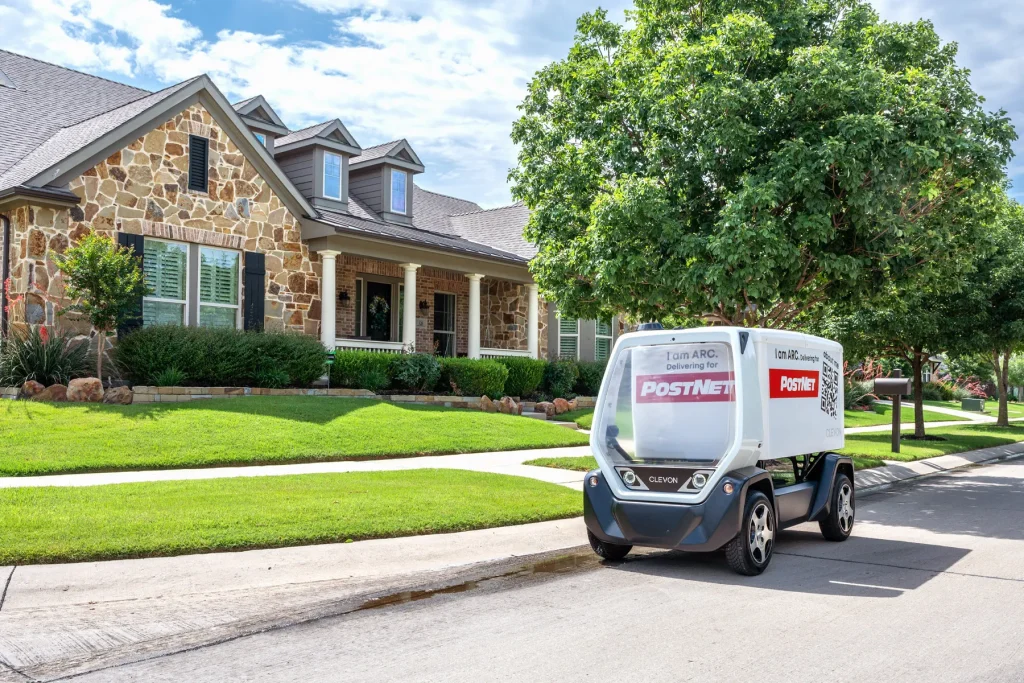
China’s logistics sector is being transformed by autonomous delivery robots, driven largely by innovative startups. These robots, designed for last-mile delivery, promise faster service, reduced labor costs, and improved efficiency in urban and suburban areas. Startups are leveraging AI, robotics, and IoT to create intelligent vehicles capable of navigating complex environments, optimizing delivery routes, and interacting safely with humans and other traffic participants.
Emerging Startups and Technologies
Several startups are at the forefront of autonomous delivery robotics in China:
- JD Robotics: Develops small-scale autonomous delivery vehicles used in urban neighborhoods for e-commerce and food delivery.
- Pudu Robotics: Focuses on indoor delivery solutions for offices, hospitals, and hotels, using AI for navigation and obstacle avoidance.
- Neolix: Designs larger delivery robots capable of transporting parcels over longer distances, integrating real-time traffic data for route optimization.
These startups combine hardware innovation, AI-based navigation, and real-time monitoring to provide scalable delivery solutions.
AI-Driven Navigation and Safety
Autonomous delivery robots rely on a combination of sensors, cameras, LiDAR systems, and AI algorithms to detect obstacles, pedestrians, and traffic conditions. Machine learning models continuously improve path planning and decision-making, allowing robots to adapt to new environments and dynamic urban conditions.
Safety is a primary focus. AI systems incorporate redundancy and predictive analytics to avoid collisions, comply with traffic rules, and interact safely with humans. These technologies have enabled pilot programs in cities such as Shanghai, Shenzhen, and Beijing, demonstrating the practical viability of autonomous delivery solutions.
Investment Trends
Funding for autonomous delivery startups in China has surged. Venture capital firms, strategic investors, and logistics companies are supporting early-stage robotics ventures to scale operations, expand production, and deploy fleets across major cities.
Recent funding examples include:
- JD Robotics securing $120 million for urban deployment and AI improvements
- Pudu Robotics raising $80 million to expand indoor delivery services in hospitals and hotels
- Neolix receiving $50 million to enhance vehicle range and integrate smart traffic systems
Analysts note that investment is driven by the potential to reduce labor costs, improve delivery speed, and enhance e-commerce logistics efficiency.
Applications and Use Cases
Autonomous delivery robots have diverse applications:
- E-commerce: Delivering packages directly to consumers in dense urban areas without human drivers.
- Food and Grocery Delivery: Providing contactless delivery services, reducing wait times, and optimizing delivery routes.
- Healthcare Logistics: Transporting medical supplies and lab samples within hospitals or between healthcare facilities.
- Corporate and Hospitality Services: Delivering office supplies, food, or amenities in hotels, campuses, and business districts.
These applications demonstrate the versatility of autonomous delivery robots across multiple industries, driving efficiency and operational innovation.
Policy and Regulatory Support
China’s government supports the deployment of autonomous robots through pilot programs, innovation zones, and regulatory guidance. Cities hosting pilot programs often provide test corridors, safety guidelines, and integration with urban infrastructure.
Policies focus on ensuring public safety, enabling AI testing, and standardizing technical requirements for autonomous vehicles. This regulatory support facilitates experimentation while building confidence among consumers, businesses, and investors.
Economic and Industrial Impact
Autonomous delivery robots contribute to economic growth by reducing labor costs, improving logistics efficiency, and supporting the expansion of e-commerce. SMEs and retail businesses benefit from faster, predictable delivery services without the need to hire additional personnel.
Industry analysts estimate that full adoption of autonomous delivery solutions could reduce last-mile delivery costs by 20–30 percent while increasing delivery speed by up to 40 percent. The technology also enhances operational scalability for logistics providers and e-commerce companies, particularly during peak seasons.
Challenges and Considerations
Despite progress, challenges remain. Autonomous robots must navigate unpredictable urban environments, inclement weather, and complex traffic systems. Technical limitations, battery life, and payload restrictions can affect scalability.
Public acceptance is another consideration. Consumers and pedestrians must trust autonomous robots to operate safely in public spaces. Startups address these concerns through transparent communication, safety demonstrations, and user education.
Future Outlook
Looking forward, autonomous delivery robots are expected to expand beyond urban areas to suburban and rural markets. Startups are developing larger payload robots capable of handling multiple deliveries simultaneously, integrating AI-driven route optimization with real-time traffic analysis.
Integration with smart city infrastructure, including IoT sensors, traffic monitoring systems, and digital maps, will enhance operational efficiency and safety. Analysts predict that by 2030, autonomous delivery robots could handle a significant portion of last-mile logistics in China, transforming urban mobility, e-commerce, and industrial supply chains.
Conclusion
China’s autonomous delivery robot startups are revolutionizing logistics by combining AI, robotics, and IoT technologies to provide scalable, efficient, and safe solutions for last-mile delivery. With strong investment, supportive policies, and practical applications in e-commerce, healthcare, and corporate services, these startups are driving the future of urban logistics. As technology continues to evolve, autonomous delivery robots are poised to become an integral part of China’s logistics ecosystem, enhancing operational efficiency, reducing costs, and transforming consumer experiences.