China’s Battery Production Capacity Expands as Global Demand for Energy Storage Systems Increases
China’s battery industry is entering a new phase of expansion in 2026 as production capacity continues to grow in response to rising global demand for energy storage systems. The increasing adoption of electric vehicles, renewable energy infrastructure, and grid level storage solutions is driving sustained demand for advanced battery technologies. Chinese manufacturers are scaling production capabilities to meet both domestic requirements and international market needs, positioning the country as a central player in the global battery supply chain. This expansion reflects broader shifts in energy systems and industrial development as storage technologies become essential to modern economies.
Battery Production Growth Supports Expanding Energy Demand
Battery production capacity in China has been steadily increasing as manufacturers respond to the growing need for reliable energy storage solutions. Energy storage systems are critical for managing electricity generated from renewable sources such as solar and wind, where output can vary depending on environmental conditions. Batteries allow this energy to be stored and distributed when needed, supporting stable power supply across energy grids.
The expansion of battery production facilities is enabling manufacturers to produce larger volumes of storage systems that can be deployed across a range of applications. These include residential energy storage, industrial systems, and large scale grid infrastructure projects. As demand for these solutions rises, production capacity is becoming a key factor in ensuring consistent supply.
Electric Vehicle Demand Drives Battery Manufacturing
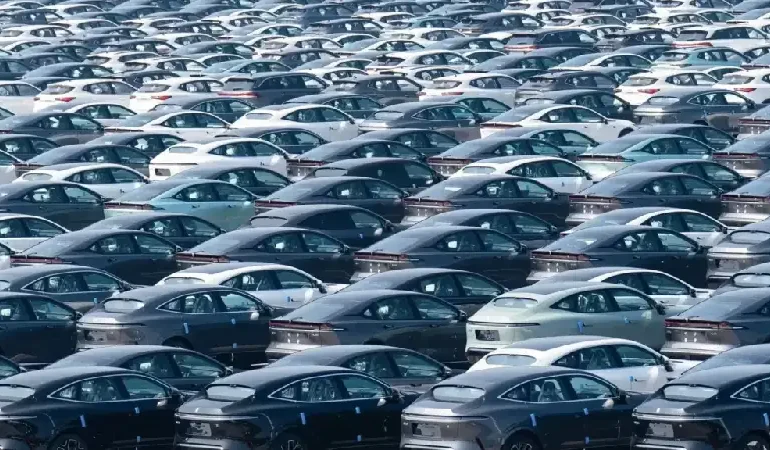
The rapid growth of the electric vehicle industry remains one of the primary drivers of battery production expansion. EVs require high performance battery systems capable of delivering sufficient range and durability for everyday use. As vehicle production increases, the demand for battery cells and modules grows accordingly.
Chinese battery manufacturers are supplying both domestic automakers and international companies, contributing to the expansion of global EV markets. The integration of battery production with vehicle manufacturing provides efficiency advantages, allowing companies to coordinate supply chains and optimize production processes.
As EV adoption continues to accelerate worldwide, battery production capacity will remain essential for supporting the transition toward electric mobility.
Energy Storage Systems Gain Strategic Importance
Beyond transportation, energy storage systems are becoming increasingly important for supporting renewable energy infrastructure. Power grids require reliable storage solutions to balance supply and demand, particularly as renewable energy sources become more prominent.
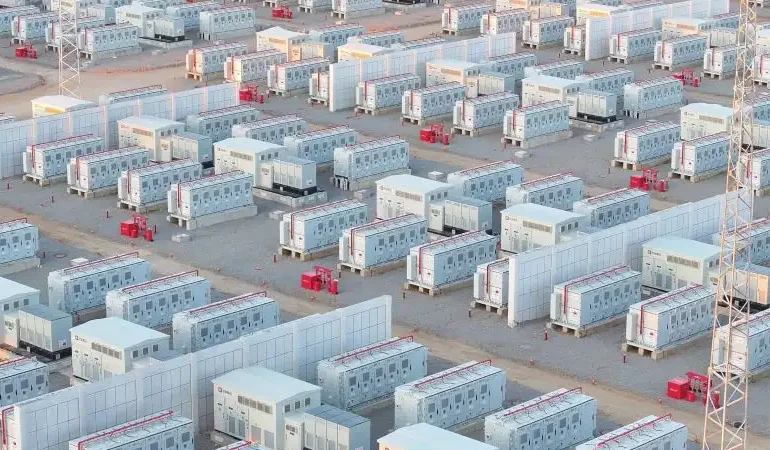
China is expanding the deployment of energy storage batteries in conjunction with renewable power projects. These systems help stabilize electricity networks by storing excess energy during periods of high generation and releasing it when demand increases. This capability is essential for maintaining grid reliability and supporting the broader transition to cleaner energy systems.
The growth of energy storage deployment further reinforces the importance of battery production capacity within the overall energy ecosystem.
Manufacturing Scale and Industrial Efficiency
China’s ability to scale battery production is supported by advanced manufacturing infrastructure and integrated supply chains. Production facilities are equipped with automated systems that ensure consistent quality and efficient output. Robotics and digital monitoring technologies allow manufacturers to maintain precise control over production processes.
Large scale production also helps reduce manufacturing costs, making battery systems more accessible for a wider range of applications. This cost efficiency supports the expansion of electric vehicles and energy storage systems by improving affordability and accelerating adoption.
The combination of scale and efficiency provides Chinese manufacturers with a competitive advantage in global battery markets.
Supply Chain Integration and Material Demand
Battery production relies on a complex supply chain that includes raw materials such as lithium, nickel, and graphite. China has developed extensive networks for sourcing and processing these materials, supporting the large scale production of battery components.
As demand for batteries increases, material supply chains are also expanding to ensure consistent availability of key inputs. Processing facilities and material suppliers are working alongside battery manufacturers to maintain stable production flows. This integration strengthens the overall resilience of the battery industry.
Continued development of supply chains will be essential for sustaining production growth as global demand for batteries continues to rise.
Long Term Outlook for Battery Production
The expansion of battery production capacity is expected to continue as energy systems evolve and demand for storage solutions grows. Advances in battery technology and manufacturing processes will likely improve performance while reducing costs, further supporting adoption across multiple sectors.
China’s strong position in battery manufacturing suggests that it will remain a key contributor to global energy storage development. As industries transition toward cleaner energy and electrification, battery production will play an increasingly important role in shaping the future of energy and transportation systems.
Conclusion
China’s expanding battery production capacity highlights the growing importance of energy storage systems in modern economies. Driven by demand from electric vehicles and renewable energy infrastructure, the battery industry continues to strengthen its role in supporting global technological and energy transitions.