China’s Biggest Airlines Still Face a Profit Squeeze Five Years After the Pandemic
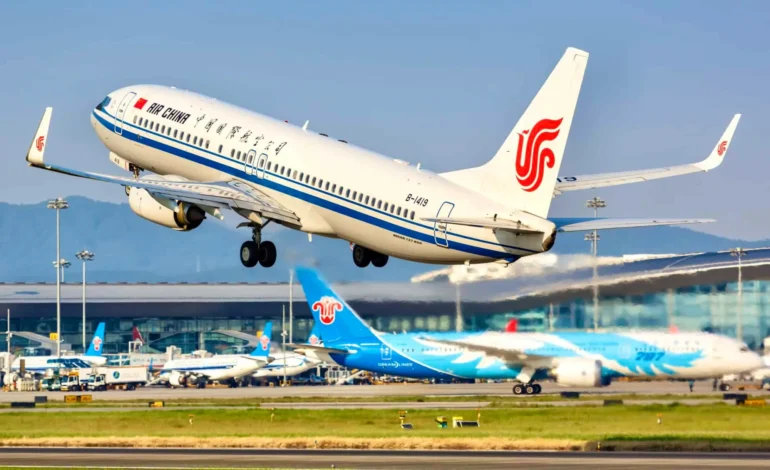
Slow Recovery Compared to Global Competitors
While many international airlines have returned to solid profitability after the heavy losses of the Covid era China’s top carriers are still fighting to stabilize their finances. Five years after the pandemic grounded fleets worldwide the country’s three largest airlines continue to feel the strain of sluggish demand high operating costs and an uneven recovery in international travel. Their latest earnings however show signs that the long downturn may finally be easing.
A Summer Travel Boom Brings a Rare Profit
China Eastern, China Southern and Air China all benefited from a strong travel rebound over the summer months. For the first time since the pandemic began China’s top three airlines posted a slim but encouraging net profit in the third quarter. Domestic tourism saw a surge as more Chinese travelers opted for internal trips amid rising costs and logistical challenges tied to foreign travel. High passenger volumes and improved pricing helped the carriers recover some of their earlier losses.
International Travel Still Lags Behind
Despite the positive momentum one of the largest obstacles remains China’s slow return to international flight capacity. Routes have not fully bounced back due to regulatory hurdles, geopolitical tensions and uneven demand from global travelers. This has left Chinese airlines heavily dependent on domestic routes which remain highly competitive and less profitable. International long haul flights typically contribute significantly to earnings so the continued weakness in overseas travel limits the carriers’ financial upside.
Rising Costs Add Pressure
Even with passenger numbers rising the airlines face stubborn cost challenges. Jet fuel remains expensive and global energy markets remain volatile. Meanwhile airlines continue to handle debt loads accumulated during the pandemic when they relied on government support and heavy borrowing to stay afloat. Higher interest expenses and currency fluctuations add additional pressure making it harder to turn short term gains into sustainable profitability.
Signs of Long Term Improvement
Industry analysts say there is still reason for cautious optimism. The strong summer performance suggests that consumer demand for travel is resilient. If macroeconomic conditions stabilize and China gradually reopens more international routes the national carriers could return to consistent profitability in the next one to two years. The airlines have also invested in newer fuel efficient aircraft and digital services aimed at lowering costs and improving customer experience.
Impact on China’s Wider Economy
China’s aviation sector is closely tied to tourism business travel cargo logistics and overall economic confidence. The slow recovery of its major airlines has had a ripple effect on hotels airports and related service industries. A return to financial health would not only help the aviation sector stabilize but also support broader economic activity.
Looking Ahead
China’s leading airlines still face a difficult road as competition increases and global travel remains unpredictable. However their latest earnings show that the worst may finally be behind them. If the carriers can build on recent momentum and adapt to changing travel patterns they could emerge stronger in the post pandemic landscape.