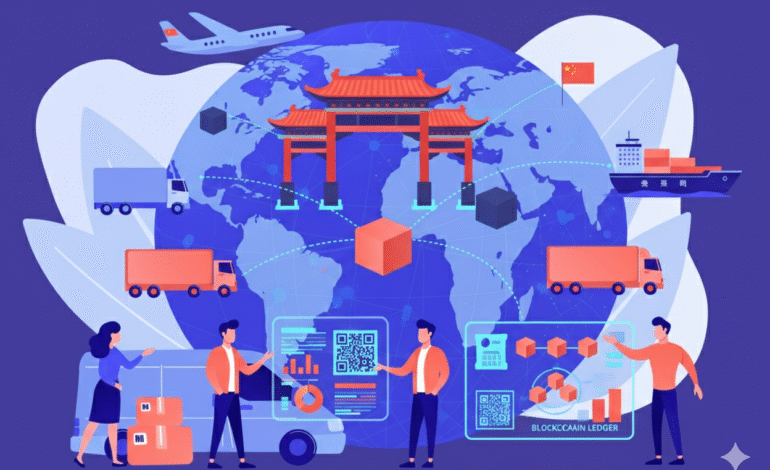
China’s Blockchain-Based Supply Chain Platforms: Driving Transparency and Efficiency
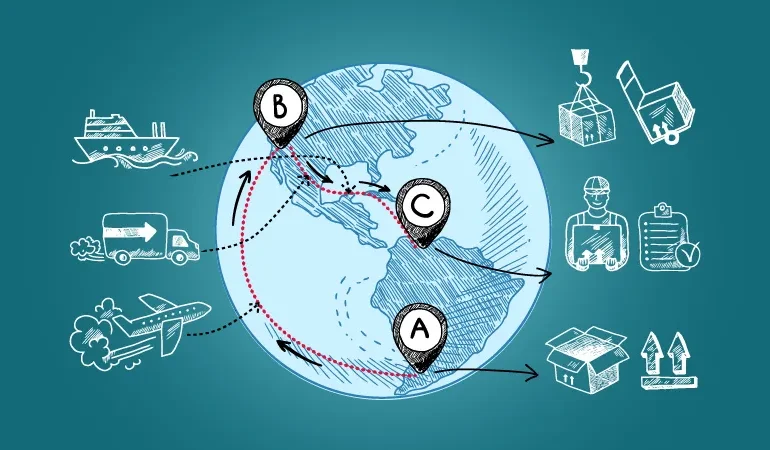
China has emerged as a global leader in adopting blockchain technology for supply chain management, transforming logistics, trade, and industrial operations. Blockchain platforms enable secure, transparent, and efficient tracking of goods across complex supply networks. By providing immutable records, real-time visibility, and enhanced accountability, blockchain reduces fraud, streamlines operations, and improves trade efficiency. This technological shift is particularly significant for China’s domestic and international trade corridors, including CPEC-related industrial hubs, e-commerce networks, and export-driven manufacturing sectors.
Blockchain Integration in Supply Chains
Blockchain provides a decentralized ledger system that records every transaction, movement, and handoff of goods. Unlike traditional supply chain management systems, blockchain offers tamper-proof records, automated verification, and real-time tracking. Smart contracts automate processes such as payments, customs clearance, and inventory verification, reducing human error and administrative delays. This integration increases efficiency, lowers operational costs, and enhances trust among participants, from manufacturers to logistics providers, distributors, and end consumers.
Blockchain Deployment
Several Chinese companies and industrial consortia have deployed blockchain platforms in supply chain operations. For instance, logistics firms in Shenzhen use blockchain to track shipments of high-value electronics, ensuring traceability from manufacturing plants to retail outlets. In the agricultural sector, blockchain platforms monitor the movement of perishable goods, verify origin, and maintain quality control standards. These case studies demonstrate how blockchain improves operational transparency, mitigates fraud, and enhances accountability across industries.
Enhancing Trade Transparency
One of the primary benefits of blockchain in supply chains is enhanced transparency. Each participant in the network can access verified information about the origin, location, and handling of goods. This transparency reduces disputes, accelerates audits, and provides regulators with reliable data. For international trade, blockchain allows customs authorities to verify shipments rapidly, facilitating faster clearance and reducing delays. The ability to track goods accurately strengthens confidence among trading partners and promotes smoother cross-border commerce.
Efficiency in Logistics Operations
Blockchain platforms improve logistics efficiency by automating tracking, documentation, and payments. IoT devices integrated with blockchain capture real-time data on shipment conditions, such as temperature, humidity, and location. This information is accessible to all stakeholders, ensuring timely decision-making and minimizing losses. Automated alerts notify operators of delays, anomalies, or potential disruptions, enabling proactive intervention. By optimizing logistics, blockchain reduces idle time, transportation costs, and inventory mismanagement, supporting more agile and responsive supply chains.
Integration with E-Commerce and Industrial Networks
China’s e-commerce sector has embraced blockchain to support high-volume, complex supply chains. Platforms handling millions of daily transactions integrate blockchain for inventory tracking, fraud prevention, and secure payment processing. Industrial networks, including SEZs and manufacturing clusters, use blockchain to manage procurement, production scheduling, and shipment verification. By connecting diverse participants through a shared, secure ledger, blockchain platforms enable end-to-end visibility, ensuring operational consistency and reducing inefficiencies in both domestic and international trade.
Smart Contracts and Automated Compliance
Smart contracts are programmable scripts on blockchain that execute predefined actions when conditions are met. In supply chains, they automate processes such as payment release, customs documentation approval, and delivery confirmation. This reduces dependency on intermediaries, minimizes human error, and accelerates operations. Smart contracts also facilitate regulatory compliance by recording verifiable evidence of adherence to trade rules, quality standards, and contractual obligations. This automation strengthens accountability and trust across supply networks.
Enhancing Security and Fraud Prevention
Supply chains are vulnerable to fraud, counterfeiting, and data manipulation. Blockchain’s decentralized and immutable architecture secures records against tampering. Each transaction is cryptographically verified, creating a permanent audit trail. Participants cannot alter records unilaterally, preventing unauthorized changes or fraud. Blockchain platforms also enable rapid verification of authenticity for goods, supporting sectors such as pharmaceuticals, electronics, and luxury products where counterfeiting is a significant concern.
Blockchain for Sustainability and Traceability
Sustainability initiatives benefit from blockchain through accurate tracking of carbon footprints, resource usage, and ethical sourcing. For example, agricultural supply chains use blockchain to verify origin, pesticide usage, and adherence to organic standards. Manufacturing sectors track material sourcing and energy consumption, providing transparency for regulators, investors, and consumers. Blockchain’s traceability enables companies to demonstrate environmental responsibility and comply with international standards, integrating sustainability into industrial modernization.

Policy Support and Industry Collaboration
The Chinese government actively supports blockchain integration in supply chains through regulatory frameworks, funding, and pilot projects. Industry consortia, technology providers, and logistics companies collaborate to standardize blockchain protocols, ensuring interoperability and scalability. Public-private partnerships facilitate experimentation, training, and knowledge transfer, accelerating adoption across sectors. Strategic alignment with national industrial policies ensures that blockchain initiatives contribute to broader goals such as trade efficiency, industrial modernization, and global competitiveness.
Challenges and Mitigation Strategies
Despite its potential, blockchain adoption faces challenges. Technical complexity, integration with legacy systems, scalability issues, and data privacy concerns must be addressed. Solutions include hybrid blockchain architectures, cloud-based deployment, standardization of protocols, and workforce training in blockchain technology. Strategic planning and phased implementation ensure that blockchain enhances supply chain efficiency without disrupting existing operations or creating operational bottlenecks.
Future Outlook
China’s blockchain-based supply chain platforms are expected to expand across industrial, logistics, and trade networks. Integration with AI, IoT, and digital finance systems will further improve efficiency, predictive analytics, and operational decision-making. Cross-border trade applications will leverage blockchain for customs, payment processing, and verification of regulatory compliance. Continued collaboration between technology providers, industry stakeholders, and government authorities will enable large-scale deployment, supporting China’s industrial modernization and global trade objectives.
Conclusion
Blockchain technology is revolutionizing China’s supply chains by enhancing transparency, efficiency, and accountability. Platforms integrating smart contracts, IoT monitoring, and real-time tracking optimize logistics, streamline operations, and reduce costs. Security, traceability, and sustainability benefits reinforce trust among stakeholders, while policy support and industry collaboration accelerate adoption. As China continues to modernize its industrial and trade networks, blockchain-based supply chain platforms will play a pivotal role in ensuring operational resilience, fostering global competitiveness, and supporting sustainable and transparent trade practices.