China’s CATL and Nio expand collaboration to build longer lasting EV batteries
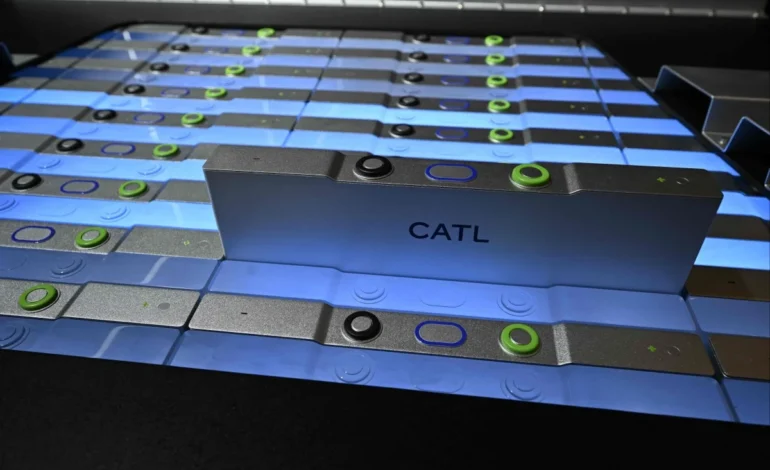
China’s leading battery maker CATL and electric vehicle producer Nio have agreed to deepen their strategic partnership with a focus on developing electric vehicle batteries that can last significantly longer than current models. The move comes as concerns grow across the industry about battery ageing and the rising cost of replacement for tens of millions of EV owners worldwide.
The collaboration will concentrate on extending battery lifespan through improvements in cell chemistry, thermal management and charging efficiency. Both companies said the aim is to reduce performance degradation over time while keeping costs under control, a challenge that has become increasingly urgent as early generations of electric vehicles approach the later stages of their usable life.
Industry estimates suggest there are now around forty million electric vehicles on the road globally, many of them sold during the rapid expansion of EV adoption in the past decade. As these vehicles age, battery replacement has emerged as one of the most expensive maintenance items, often accounting for a large share of a vehicle’s original price. This has raised concerns among consumers, insurers and fleet operators about long term ownership costs.
CATL has been investing heavily in next generation battery technologies, including advanced lithium iron phosphate and high energy density chemistries designed to withstand more charge cycles. Nio, meanwhile, has built much of its brand around battery innovation, including its battery swap network, which allows drivers to exchange depleted batteries for fully charged ones in minutes. The expanded partnership is expected to integrate these strengths, combining CATL’s manufacturing scale with Nio’s vehicle level data and user experience insights.
According to people familiar with the project, engineers from both companies will work closely to test batteries under real world driving conditions, rather than relying solely on laboratory simulations. This approach is intended to better reflect how batteries age in everyday use, including exposure to temperature changes, fast charging habits and varying driving styles.
The push for longer lasting batteries also aligns with broader policy goals in China and other major markets. Regulators are increasingly focused on the full lifecycle impact of electric vehicles, including resource use, recycling and waste reduction. Batteries that last longer before needing replacement could significantly reduce environmental pressure and improve the overall sustainability of the EV sector.
For consumers, improved battery longevity could help ease concerns about resale value and total cost of ownership, two factors that continue to influence purchasing decisions. Analysts say that if the partnership delivers meaningful gains in battery lifespan, it could set new benchmarks for the industry and intensify competition among global battery suppliers.
As electric vehicles move from early adoption to mass ownership, the ability to deliver durable and reliable batteries is becoming as important as driving range or charging speed. The deeper collaboration between CATL and Nio signals that the industry is shifting its attention from rapid expansion to long term durability and value.