China’s chipmakers build momentum despite US technology restrictions
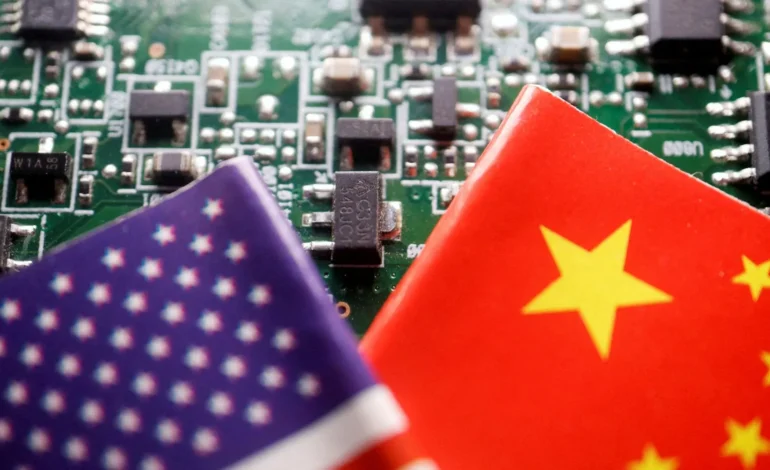
China’s semiconductor firms continue to gain momentum even as US technology restrictions limit access to advanced chips and manufacturing tools. While the constraints remain significant, the industry has shown an ability to adapt and move forward by focusing on areas where progress is achievable. Rather than stalling innovation, the restrictions have reshaped priorities and accelerated efforts to strengthen domestic capability across the chip value chain.
Restrictions change but do not stop progress
US controls on high end processors and critical fabrication equipment have undeniably slowed China’s access to leading edge technology. However, they have not brought the semiconductor sector to a halt. Many Chinese chipmakers have adjusted their development plans to work within current limits, targeting products that can be designed and manufactured with available tools.
This shift has allowed firms to maintain production pipelines and continue serving domestic industries, even as access to the most advanced nodes remains constrained.
Momentum in commercially viable segments
Much of the recent progress has come in commercially viable segments such as power semiconductors analog chips sensors and automotive electronics. These components are essential for electric vehicles industrial machinery and consumer devices. Demand in these areas is strong and growing, providing chipmakers with a stable market to scale operations.
By delivering reliable products at competitive prices Chinese firms are strengthening their position in segments that matter most for industrial growth.
Domestic alternatives gain traction
Technology restrictions have pushed Chinese companies to accelerate the development of domestic alternatives for equipment materials and software tools. While many substitutes are still catching up in performance, their adoption is increasing across fabs and design houses. Each deployment builds experience and confidence, gradually reducing dependence on foreign suppliers.
This process is incremental rather than dramatic, but it contributes to steady momentum across the ecosystem.
System level innovation offsets hardware limits
Chinese chipmakers are increasingly focusing on system level optimisation to offset hardware limitations. Improvements in software stacks firmware and workload specific tuning allow chips to perform effectively in real world applications. This approach is particularly visible in areas such as artificial intelligence inference and edge computing, where efficiency matters as much as raw power.
By designing chips as part of integrated systems firms can deliver practical value even under technological constraints.
Policy support reinforces industry confidence
Government backing continues to play a stabilising role. Financial incentives research funding and industrial coordination help mitigate the impact of external restrictions. At the same time policymakers have become more focused on efficiency and results rather than rapid expansion at any cost.
This balance has helped prevent the industry from overheating while still supporting long term development.
Export pressure reshapes competitive thinking
US restrictions have also influenced how Chinese chipmakers think about competition. Rather than aiming to displace global leaders immediately many firms are concentrating on securing domestic market share and serving regional partners. Success in these markets provides revenue and scale that can support future innovation.
Over time this strategy may allow Chinese companies to compete more effectively on the global stage in segments where reliability and cost are key.
Signs of resilience across the ecosystem
Despite ongoing challenges there are clear signs of resilience. Production volumes continue to rise in several categories investment in research remains strong and collaboration between industry and academia is deepening. These factors suggest that momentum is being maintained even under pressure.
The ability to sustain progress without full access to global technology underscores the adaptability of China’s semiconductor ecosystem.
Gradual progress under persistent constraints
China’s chipmakers are advancing through steady gains rather than breakthroughs. US technology restrictions continue to shape what is possible, but they have not derailed the industry’s trajectory. Momentum today is built on pragmatism scale and system level innovation rather than cutting edge headlines.
As restrictions persist Chinese semiconductor firms are likely to keep refining this approach, building strength where they can while preparing for opportunities when constraints eventually shift.