China’s Drone Dominance: Leading the Sky in Commercial and Military Tech
China has rapidly established itself as a global leader in drone technology, spanning both commercial applications and military capabilities. From small consumer drones to advanced unmanned aerial vehicles (UAVs), Chinese companies are redefining the possibilities of aerial innovation. The combination of government support, robust manufacturing infrastructure, and technological expertise has allowed China to dominate both domestic and international drone markets.
One of the key drivers of this dominance is commercial innovation. Companies like DJI have become household names worldwide, setting benchmarks in consumer and professional drones. DJI’s drones are widely used in photography, agriculture, surveying, and logistics, demonstrating versatility and reliability. Chinese manufacturers have also been pioneers in integrating advanced sensors, AI-powered navigation, and automated flight systems, making drones more user-friendly and capable of complex tasks.
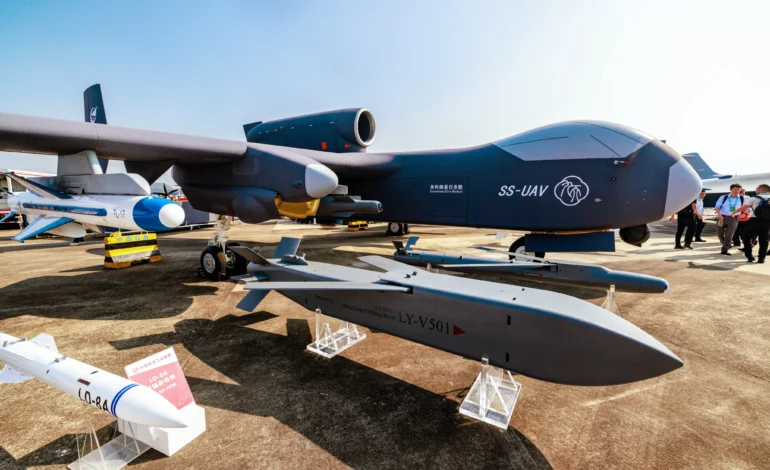
China’s drone industry is also closely linked to military and strategic applications. The People’s Liberation Army (PLA) has invested in UAVs for reconnaissance, surveillance, and even combat operations. Chinese defense manufacturers produce drones with extended flight ranges, high-resolution imaging, and autonomous targeting capabilities. These developments highlight how China leverages its drone technology not just for commercial gain but also to enhance national security and strategic reach.
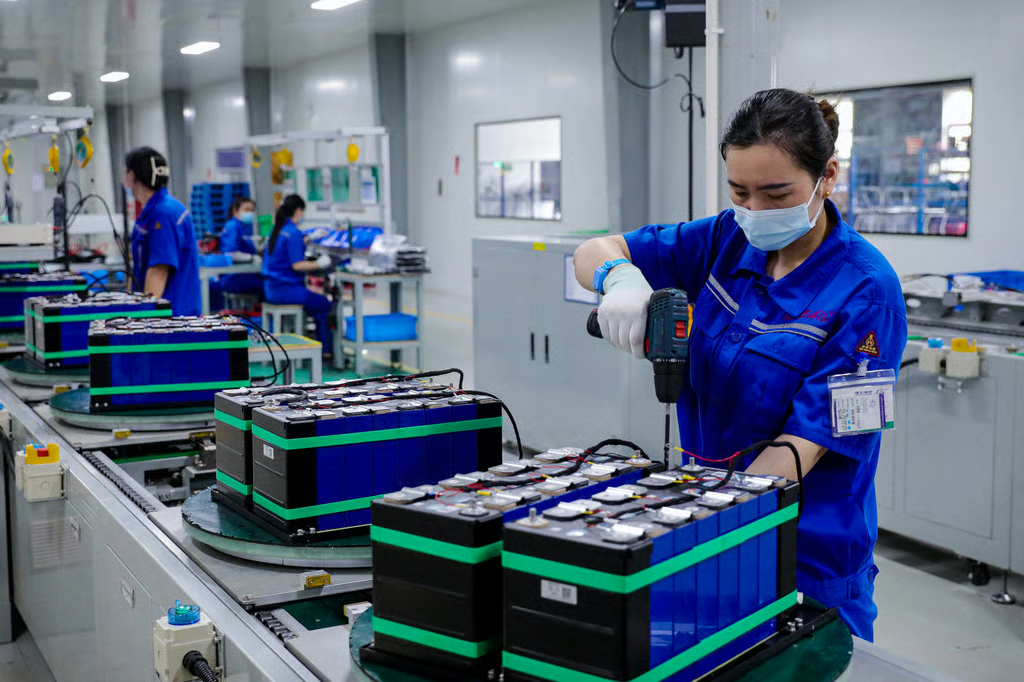
Another factor in China’s drone leadership is manufacturing scale and cost efficiency. China’s supply chain ecosystem, which includes electronics, sensors, batteries, and motors, allows manufacturers to produce high-quality drones at competitive prices. This scalability has enabled Chinese drones to flood global markets, creating strong competition for international players. Countries in Europe, Asia, and the Middle East increasingly rely on Chinese drones for agriculture, surveillance, and logistics, highlighting their global appeal.
China has also invested heavily in drone regulations and infrastructure. To support safe and efficient drone operations, the government has developed frameworks for airspace management, pilot certification, and drone registration. Urban areas like Shenzhen and Hangzhou have become testing grounds for smart drone delivery systems, showing how drones can be integrated into city logistics. These measures not only encourage domestic adoption but also create models for international drone operations.
The impact of China’s drone dominance is far-reaching. On the commercial side, it is driving innovation in delivery services, aerial mapping, and precision agriculture. On the defense side, it is influencing global military strategies, pushing other nations to accelerate their UAV programs. The combination of affordability, technological sophistication, and strategic support ensures that Chinese drones will remain influential in shaping both civilian and military aviation.
In conclusion, China’s dominance in drone technology reflects a strategic blend of innovation, manufacturing scale, and government support. From DJI’s commercial drones to advanced military UAVs, Chinese companies are not just leading the domestic market, they are setting global standards. As technology continues to evolve, China’s drones are likely to remain at the forefront of innovation, influencing industries, defense strategies, and the global UAV landscape.