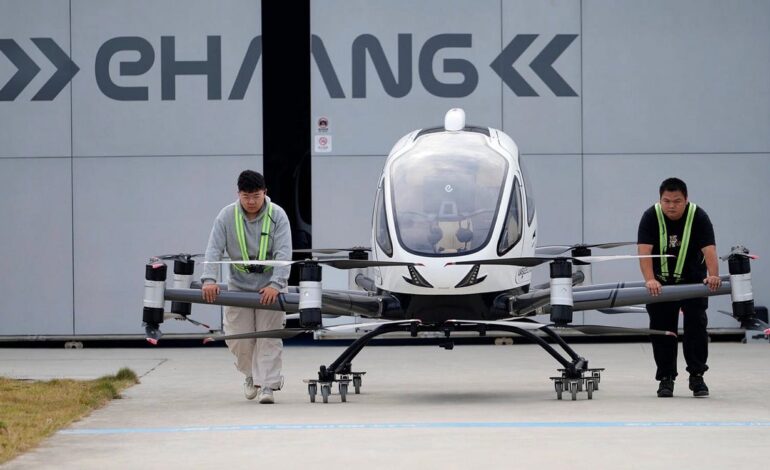
China’s Drone Dominance: Leading the Sky in Commercial and Military Tech
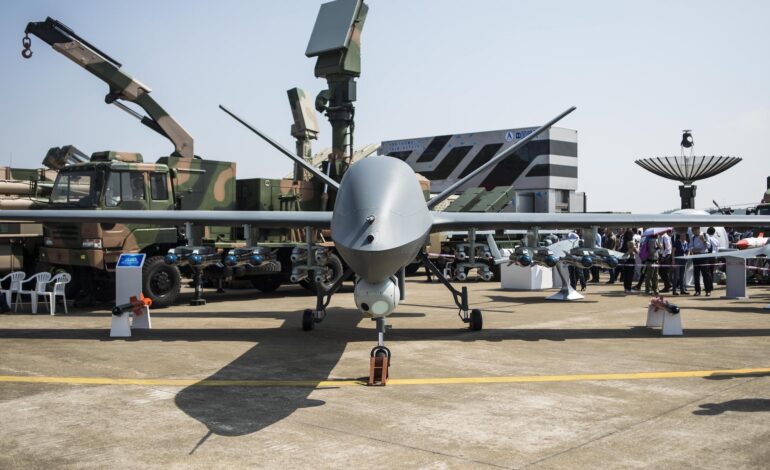
China has rapidly emerged as a global leader in drone technology, commanding both commercial and military applications. From small consumer drones to sophisticated unmanned aerial vehicles (UAVs), Chinese companies are shaping the future of aerial technology. This dominance is the result of strategic government support, advanced manufacturing capabilities, and a focus on innovation, positioning China at the forefront of a fast-growing global market.
In the commercial sector, DJI has become a household name worldwide. Known for its consumer drones, aerial cameras, and mapping technology, DJI has set benchmarks for reliability, performance, and affordability. Chinese companies have also expanded into agriculture, logistics, and industrial inspections, integrating AI and automation into drone operations. These innovations make drones more versatile, efficient, and accessible to businesses and consumers alike.
China’s drone leadership extends into the military and defense sectors. The People’s Liberation Army (PLA) has invested in UAVs for reconnaissance, surveillance, and tactical operations. Chinese defense drones feature extended flight ranges, high-resolution sensors, and autonomous capabilities. By developing domestic UAV technology, China strengthens its strategic security while reducing dependence on foreign military equipment.
A key factor behind China’s drone dominance is manufacturing scale and cost efficiency. China’s robust supply chain for electronics, batteries, sensors, and motors allows manufacturers to produce high-quality drones at competitive prices. This combination of innovation and cost advantage has enabled Chinese drones to capture markets globally, from Europe and Asia to the Middle East.
China has also focused on infrastructure and regulation to support drone growth. Urban areas like Shenzhen and Hangzhou are pioneering drone delivery systems, while government policies establish airspace management, registration, and safety protocols. These measures not only facilitate domestic adoption but also create models that other countries look to emulate.
The impact of China’s drone industry is significant. Commercially, drones are revolutionizing logistics, surveying, agriculture, and media production. Militarily, they are influencing global defense strategies and prompting other nations to accelerate their UAV development. The combination of affordability, technological sophistication, and strategic support ensures that Chinese drones will remain influential in shaping both civilian and defense aviation.
In conclusion, China’s dominance in drones is the result of innovation, scale, and strategic planning. From DJI’s commercial drones to advanced military UAVs, Chinese companies are not just leading the domestic market, they are setting global standards. As drone technology evolves, China’s role in the sky will continue to expand, influencing industries, defense, and international competition.