China’s EV Boom: How Local Giants Are Shaping the Global Market
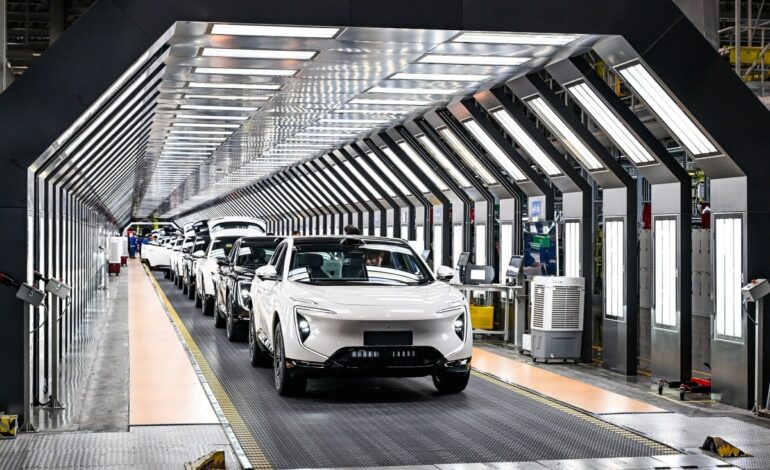
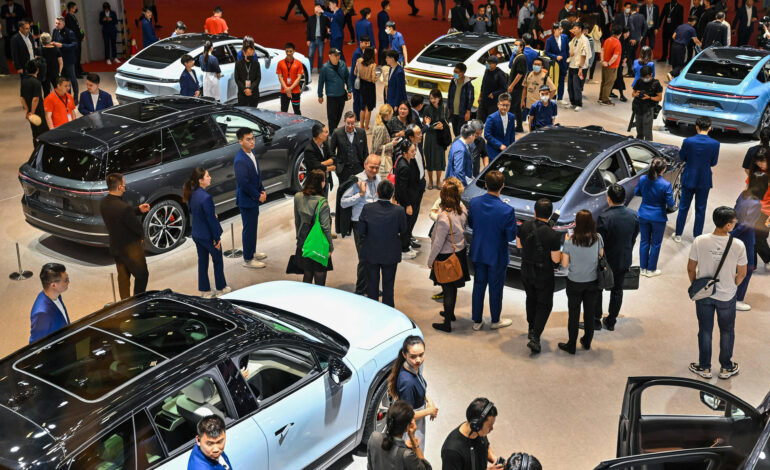
Over the past decade, China has emerged as the undisputed leader in electric vehicles (EVs). The country’s rapid urbanization, government incentives, and commitment to reducing carbon emissions have created a fertile ground for EV adoption. Today, China accounts for nearly 60% of global EV sales, and its domestic companies are not just serving local markets, they are expanding globally, reshaping the automotive landscape.
A driving force behind this growth is the supportive policy framework. The Chinese government has implemented tax incentives, subsidies for EV purchases, and investments in charging infrastructure to accelerate adoption. Cities like Shenzhen and Shanghai have been early adopters, introducing fleets of electric buses and public vehicles, setting benchmarks for sustainable urban transportation. These measures have allowed domestic EV companies to scale production, innovate, and compete with international giants.
Among China’s EV leaders, BYD and Nio stand out for their strategic approaches. BYD, originally a battery manufacturer, has leveraged its technological expertise to produce highly efficient electric cars. Its “Blade Battery” technology, known for safety and durability, has become a competitive advantage. Nio, on the other hand, has focused on premium EVs, introducing unique services like battery swapping stations, which address the common concern of charging time. Both companies have not only captured the Chinese market but are also making inroads into Europe and Southeast Asia.
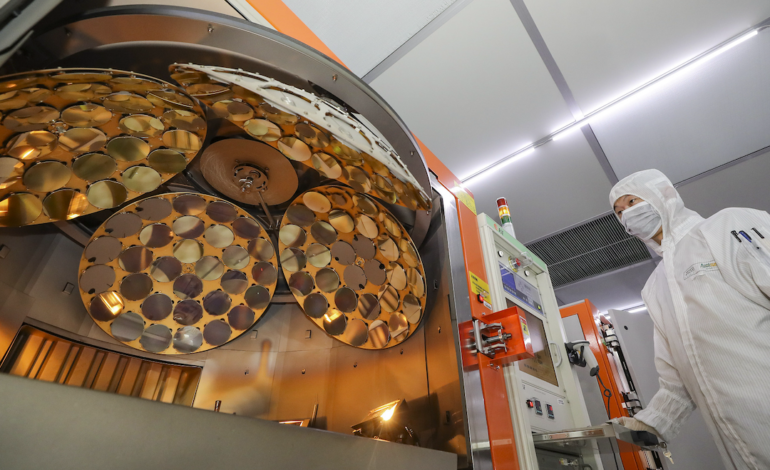
China’s EV boom is also driven by advances in battery technology. Chinese manufacturers dominate global lithium-ion battery production, allowing EV companies to reduce costs while improving vehicle range and performance. Collaborative efforts between automakers and battery producers have accelerated innovation in energy density, charging speed, and overall battery lifespan. This synergy ensures that Chinese EVs are not just affordable but also technologically competitive on the global stage.
Another crucial factor is the expanding charging infrastructure. Urban centers in China are rapidly rolling out public charging stations, while innovative solutions like mobile charging vans and home installation services are making EV ownership practical for millions. This robust ecosystem reduces range anxiety, a major barrier in other countries, and ensures that EV adoption continues to accelerate.
China’s impact on the global EV market extends beyond technology and production. By exporting vehicles and setting regulatory standards, Chinese companies are influencing international markets. Competitors in Europe and the United States face pressure to match China’s price efficiency and technological advancements. As a result, global EV development is being shaped, in part, by the competitive momentum originating from China.
In conclusion, China’s EV boom is a combination of government support, innovation in battery technology, and strategic corporate planning. Local giants like BYD and Nio are not just transforming domestic transportation, they are shaping the global EV landscape. With continued investment in technology and infrastructure, China is likely to remain the world’s leading force in electric vehicles for the foreseeable future.