China’s EV Export Surge and the Growing Trade Tensions It Is Creating

A rapid rise in China’s electric vehicle exports
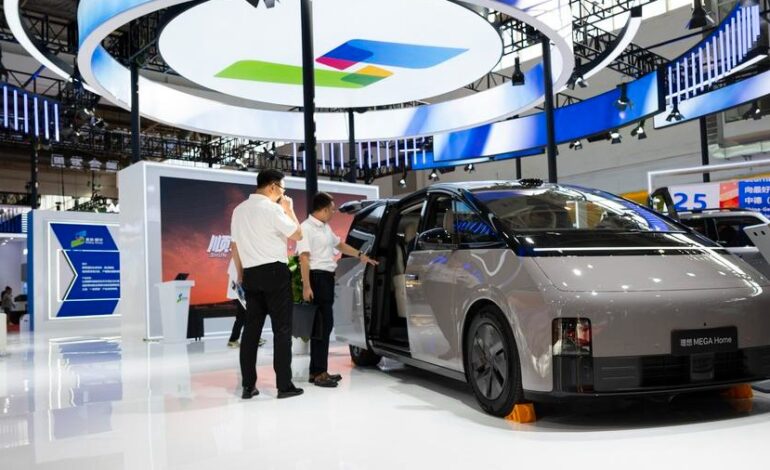
China’s electric vehicle industry is no longer focused only on domestic growth. Over the past few years exports have surged as manufacturers look abroad for new demand and higher margins. Chinese EVs are now visible in Europe Southeast Asia the Middle East and parts of Latin America. Competitive pricing improving quality and expanding model ranges have allowed Chinese brands to enter markets that were once dominated by established global automakers.
Why overseas markets matter more than ever
The export push is closely linked to intensifying competition at home. As China’s EV market matures domestic price wars have compressed profits and slowed growth rates. Overseas markets offer an opportunity to rebalance revenue streams and maintain production scale. Many manufacturers also see international expansion as essential for building global brands rather than remaining regional players.
Cost advantages drive global competitiveness
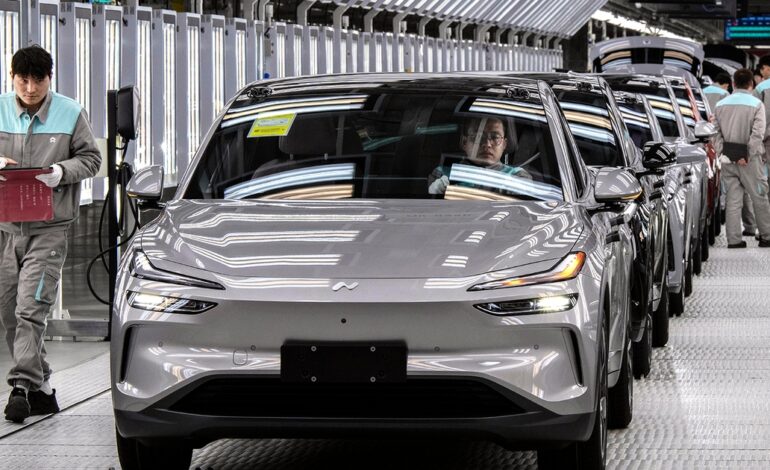
China’s cost structure remains a major advantage in export markets. Efficient manufacturing integrated supply chains and large scale battery production allow Chinese EVs to undercut rivals while still offering advanced features. This pricing power is particularly attractive in price sensitive regions where consumers are transitioning from internal combustion engines to electric vehicles for the first time.
Trade tensions begin to intensify
The rapid influx of Chinese EVs has raised concerns among policymakers in several countries. Governments worry that domestic automakers may struggle to compete against lower priced imports backed by large scale production. In response some regions have launched trade investigations adjusted tariffs or introduced stricter regulatory requirements. These moves reflect broader anxieties about industrial competitiveness rather than just vehicle pricing.
Regulatory and political pressures abroad
Beyond tariffs Chinese EV makers face complex regulatory landscapes. Safety standards environmental rules and data security requirements vary widely across markets. Navigating these frameworks increases costs and slows market entry. Political scrutiny has also intensified as electric vehicles become linked to national industrial strategies energy security and employment concerns. This adds an additional layer of uncertainty for exporters.
How Chinese manufacturers are adapting
To reduce friction Chinese automakers are adjusting their global strategies. Some are investing in overseas assembly plants or partnerships to localize production. Others are tailoring models to meet local preferences and regulations more closely. Branding strategies are also evolving with greater emphasis on reliability service networks and long term customer support rather than price alone.
Global market implications
China’s EV export surge is reshaping the global automotive landscape. Traditional automakers are accelerating their own EV transitions while governments rethink industrial policies. For consumers increased competition may mean more choice and lower prices. For the industry it signals a shift toward a more multipolar electric vehicle market where scale efficiency and adaptability matter more than legacy.
What lies ahead for EV trade
Trade tensions are likely to persist as Chinese EV exports continue to grow. The balance between open markets and industrial protection will shape future policy decisions. Chinese manufacturers that successfully navigate regulatory complexity and build trust abroad will be best positioned to sustain long term growth. The export wave is not just a commercial trend but a defining force in the next chapter of global automotive competition.