China’s EV Industry Rewrites Global Auto Rules as Innovation and Pricing Shift Market Dynamics
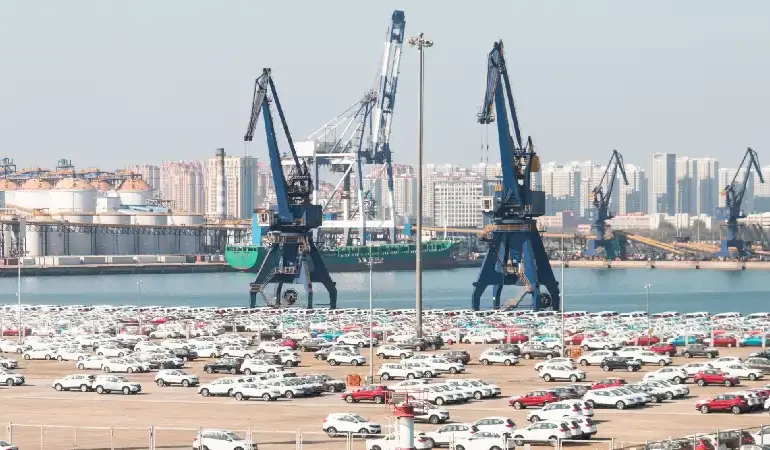
China’s electric vehicle industry is rapidly reshaping the global automotive landscape, challenging long established norms around pricing, technology and product development. As Chinese automakers expand into international markets, their approach to affordability and feature integration is forcing competitors to rethink strategies. The shift is becoming more visible across Europe and other regions where Chinese brands are gaining traction, offering vehicles that combine advanced software, competitive pricing and modern design. This transformation reflects a broader change in how innovation is being delivered in the automotive sector.
Real world testing of Chinese electric vehicles in international markets has highlighted both their strengths and the challenges of adapting to different driving environments. In one instance, a Chinese developed vehicle operating on European roads responded unexpectedly due to differences in traffic behavior, underscoring the complexity of deploying advanced driver assistance systems across diverse conditions. These experiences are providing valuable feedback for manufacturers as they refine their technologies to meet global standards and expectations while maintaining performance consistency.
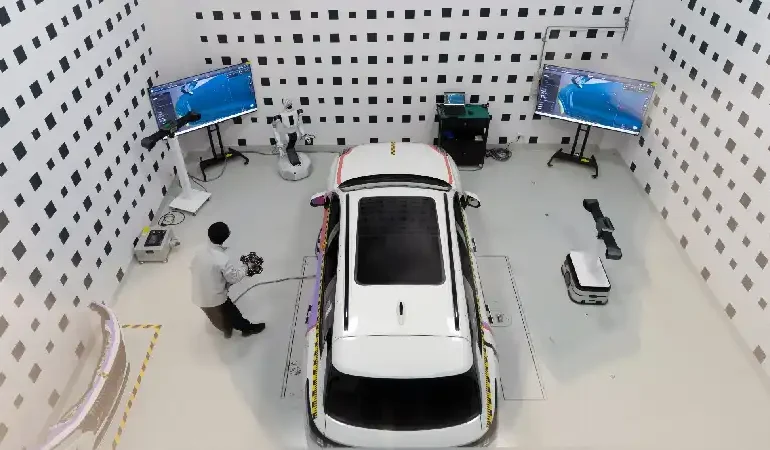
Chinese automakers are leveraging a vertically integrated ecosystem that combines battery production, software development and large scale manufacturing. This integration allows companies to reduce costs while accelerating innovation cycles, enabling faster rollout of new features and improvements. The result is a new competitive model where affordability does not come at the expense of technology. Features such as intelligent driving systems, digital interfaces and enhanced in vehicle experiences are increasingly standard, redefining what consumers expect from electric vehicles at various price points.
The global expansion of Chinese EV brands is also influencing supply chains and industrial strategies across the automotive sector. As manufacturers enter new markets, they bring with them established networks of suppliers and production expertise. This has prompted traditional automakers to reassess their own operations, particularly in areas such as battery sourcing and software integration. The competitive pressure is driving investment in new technologies and partnerships, as companies seek to maintain relevance in a rapidly evolving industry.
Europe has emerged as a key battleground for this transformation, with Chinese electric vehicles gaining visibility and market share. Regulatory frameworks, consumer demand for sustainable mobility and openness to new entrants have created opportunities for Chinese brands to establish a presence. At the same time, local manufacturers are adapting by accelerating their own electric vehicle programs and exploring ways to enhance cost efficiency. This dynamic is contributing to a more competitive environment that benefits consumers through increased choice and innovation.
China’s domestic market continues to serve as a testing ground for new automotive technologies, providing companies with the scale needed to refine products before entering international markets. The rapid pace of adoption within China supports continuous improvement, allowing manufacturers to iterate quickly and address issues as they arise. This environment has enabled Chinese automakers to build strong capabilities in both hardware and software, positioning them as influential players in the global transition to electric mobility.
The rise of Chinese electric vehicles is not only changing competitive dynamics but also influencing how the industry defines value and performance. As pricing strategies and feature sets evolve, traditional benchmarks are being challenged, prompting a reevaluation of what consumers expect from modern vehicles. This shift is likely to continue as innovation accelerates and new technologies are introduced, shaping the future direction of the automotive sector worldwide.