China’s Exports Decline for First Time in Eight Months as Global Demand Weakens
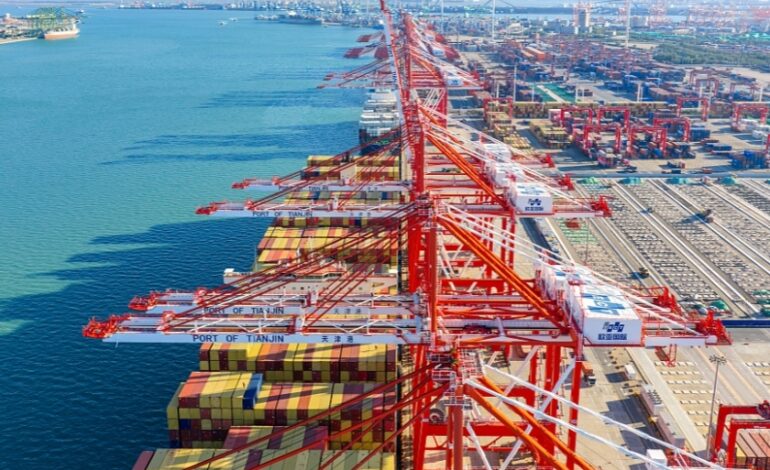
China’s exports unexpectedly fell in October, marking the first contraction since February and highlighting renewed challenges for the world’s second-largest economy as global demand softens. The slowdown raises concerns about the durability of China’s trade recovery, which had shown signs of stabilization earlier in the year.
According to data released Friday by the General Administration of Customs, exports in U.S. dollar terms dropped 1.1% year-on-year in October. The decline represents a steep reversal from the 8.3% growth recorded in September, falling well short of the 2.7% increase projected by economists surveyed by Caixin. The shift underscores how external pressures, from tightening monetary conditions in major markets to weaker consumer spending, are weighing on China’s export performance.
Imports also showed slower growth, suggesting that domestic demand remains subdued despite a gradual recovery in industrial activity. Economists noted that the combined slowdown in exports and imports points to lingering structural challenges in both the global economy and China’s domestic market.
Analysts said the drop in exports reflects not only weaker demand from Western economies but also shifting supply chains as global manufacturers diversify production across Asia. Exports to the United States remained under pressure, though the rate of decline narrowed compared with earlier months. Meanwhile, shipments to Europe were constrained by sluggish industrial demand and high energy costs.
In contrast, exports to ASEAN countries continued to expand, albeit at a slower pace. Southeast Asia remains an important growth outlet for Chinese goods, driven by strong integration within regional supply networks and ongoing infrastructure projects under the Belt and Road framework. However, even in this region, signs of moderation are emerging as consumer markets adjust to higher borrowing costs and cautious spending.
Economists believe that the October figures reflect broader headwinds facing global trade, including geopolitical uncertainty and rising protectionist measures. “The drop in exports is not unique to China several Asian economies have seen similar declines as external demand cools,” said a Shanghai-based economist. “But given China’s size and central role in global supply chains, even a small contraction has ripple effects across the region.”
The slowdown comes as Chinese policymakers continue to promote export diversification and technology-driven industries to stabilize growth. Authorities have rolled out targeted support measures for exporters, including improved access to trade financing, streamlined customs procedures, and incentives for high-value manufacturing sectors such as electric vehicles, batteries, and semiconductors.
Despite these efforts, the outlook for the remainder of the year remains uncertain. Economists warn that the combination of high interest rates in major economies and persistent geopolitical frictions could limit external demand well into 2026. Some analysts expect Beijing to place greater emphasis on domestic consumption and investment to offset the drag from weaker exports.
The October trade data serve as a reminder that China’s recovery remains uneven and vulnerable to external shocks. While the country’s industrial capacity and export base remain strong, global economic conditions are likely to keep pressure on trade in the months ahead.