China’s Foreign Policy 2025: Economic Peace Through Trade
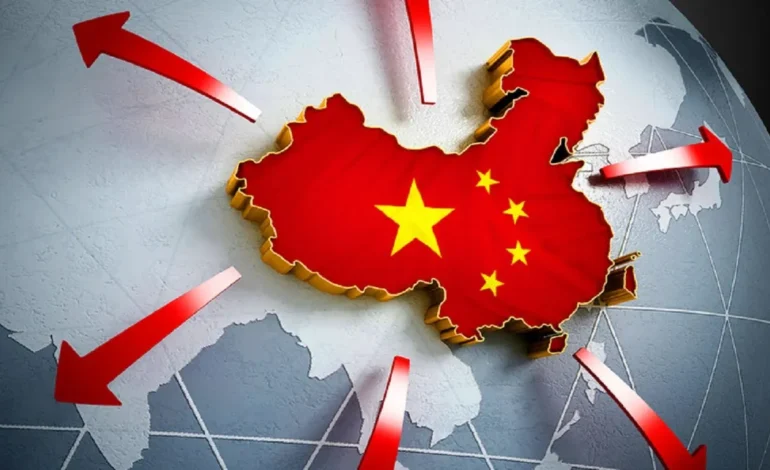
In 2025, China’s foreign policy is increasingly defined by its pursuit of stability through economic diplomacy. Rather than military alliances, Beijing is focusing on trade corridors, financial integration, and infrastructure cooperation as tools of influence. According to Reuters and Bloomberg, this “economic peace” approach underpins China’s strategy to maintain growth, expand partnerships, and safeguard supply chains amid global geopolitical tensions.
Trade as a Strategic Instrument
China’s foreign policy has evolved from a reactive posture to one centered on long-term economic engagement. The Ministry of Commerce reports that trade with Belt and Road partner countries grew by more than 9 percent in the first half of 2025, reaching a record 12 trillion yuan. These trade links are supported by investment in digital infrastructure, renewable energy, and manufacturing facilities across Asia, Africa, and Eastern Europe.
Nikkei Asia notes that Beijing’s outreach through free-trade agreements and yuan-settlement mechanisms is aimed at strengthening regional interdependence while reducing exposure to Western sanctions. This strategy aligns with the broader concept of “mutual prosperity through shared logistics,” a theme emphasized in China’s latest white paper on global economic cooperation.
Policy Anchors and Multilateral Engagement
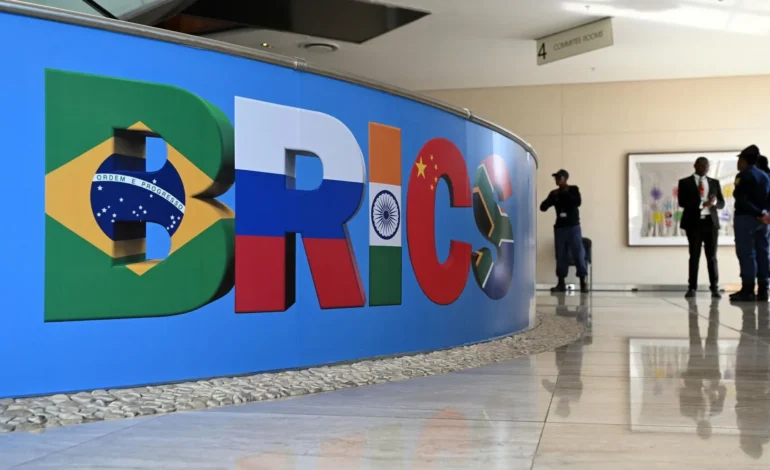
Beijing’s participation in multilateral platforms such as BRICS, ASEAN+, and the Shanghai Cooperation Organization reinforces its commitment to a stable economic order. IMF data shows that China’s outbound investment under the Belt and Road framework exceeded 150 billion dollars in 2025, with more than 70 percent of it directed toward sustainable and digital infrastructure projects.
CGTN highlights that Chinese policymakers are promoting a “peace through production” narrative, using industrial investment to stabilize conflict-prone regions. By financing ports, industrial parks, and green-energy grids, China ties its diplomatic credibility to tangible development outcomes. This pragmatic form of diplomacy helps manage global competition while cultivating long-term trust among emerging economies.
Digital and Financial Integration
Financial connectivity is emerging as a key pillar of China’s foreign engagement. Through blockchain-enabled trade settlement systems and digital currency pilots, cross-border transactions have become faster and more transparent. These systems allow small economies to settle trade directly in digital yuan or yuan-pegged instruments, bypassing traditional intermediaries.
Policy analysts view these innovations as part of a broader effort to establish digital financial corridors that promote transparency and efficiency while reinforcing China’s role as a stabilizing force in global commerce.
Conclusion
China’s 2025 foreign policy framework demonstrates that economic cooperation remains its most effective diplomatic tool. By prioritizing trade, infrastructure, and financial integration, Beijing is building a global network of partners rooted in mutual benefit rather than confrontation. As digital and industrial connectivity expand, China’s strategy of economic peace may reshape the geopolitical balance toward a new model of shared prosperity.