China’s Gen Z Fuels a New Year Boom in Homestay Bookings
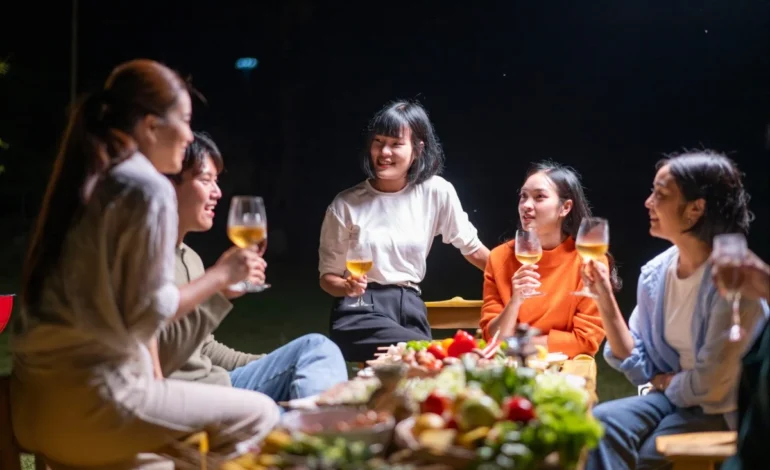
Young travellers reshape holiday accommodation choices
China’s Gen Z consumers are reshaping the country’s holiday travel landscape, with a growing number opting for homestays instead of traditional hotels to ring in the New Year. Private villas and bed and breakfast style properties have seen a surge in bookings as younger travellers seek more space, privacy, and flexibility than standard hotel rooms typically offer.
This shift reflects broader changes in consumption patterns among young Chinese adults, who increasingly prioritise experience, atmosphere, and social connection over conventional luxury or brand recognition. For many, the New Year holiday is no longer about formal celebrations, but about creating shared moments with friends in settings that feel personal and adaptable.
Space, privacy, and control drive demand
Homestays appeal to Gen Z largely because they offer features difficult to replicate in hotels. Larger living areas allow groups to gather comfortably, decorate freely, and organise their own celebrations. Private kitchens, outdoor spaces, and flexible layouts give guests control over how they spend the holiday.
Privacy is another key factor. Younger consumers value environments where they can socialise without external constraints, whether that means hosting a small party, playing music late into the night, or simply avoiding crowded public spaces. These preferences have become more pronounced in recent years, shaping how accommodation providers compete for attention.
Ritual and atmosphere become selling points
As competition intensifies, homestay operators are differentiating themselves by curating festive rituals rather than just offering a place to sleep. Group countdown events, fireworks displays, themed decorations, and complimentary wine or snacks have become common tactics to attract bookings during the New Year period.
These ritual driven experiences tap directly into Gen Z’s desire for shareable moments and emotional engagement. A well designed atmosphere can turn a stay into an event, encouraging guests to document and share their experience on social media, which in turn amplifies visibility for the property.
According to Hu Yang, vice president at Tujia, festive rituals highlight the unique strengths of homestays by enhancing their social and atmospheric appeal. This focus aligns closely with what younger consumers value when choosing accommodation.
Pressure mounts on traditional hotels
The rise of homestays has added fresh competitive pressure on hotels, particularly during peak holiday periods. While hotels retain advantages in service consistency and location, they struggle to match the sense of exclusivity and freedom offered by private rentals.
Some hotels have responded by introducing themed rooms or hosting in house events, but structural limitations make it difficult to replicate the villa style experience. As a result, the New Year holiday has become a key battleground where homestays increasingly outperform traditional options among younger guests.
This competition is also influencing pricing strategies, with some homestays commanding premium rates for high demand dates due to their differentiated offerings.
Platforms refine tools to match Gen Z preferences
Online rental platforms are playing a central role in facilitating this shift. Features that highlight group suitability, event friendly spaces, and customisable amenities help users quickly identify properties aligned with their expectations.
Platforms are also using data insights to encourage hosts to design experiences rather than simply list rooms. Properties that offer clear themes, strong visual presentation, and detailed descriptions of festive activities tend to perform better in search rankings and conversions.
This ecosystem effect has accelerated innovation across the homestay market, raising the overall quality of offerings.
A broader signal in service consumption
The popularity of homestays among Gen Z is part of a wider evolution in China’s service economy. Younger consumers are spending more selectively, favouring offerings that deliver emotional value and social relevance. Experiences that feel authentic and personal often outperform standardized products, even if they cost more.
This trend suggests that growth in the accommodation sector will be increasingly driven by segmentation rather than scale. Providers who understand generational preferences and adapt quickly are more likely to capture demand during key consumption moments like the New Year.
A redefinition of holiday celebration
Gen Z’s embrace of homestays reflects a broader redefinition of how holidays are celebrated. The emphasis has shifted from formal events to intimate, experience driven gatherings. Accommodation is no longer a backdrop, but a central part of the celebration itself.
As young consumers continue to influence travel and lifestyle markets, their preferences are setting new standards. The rise in New Year homestay bookings illustrates how cultural change, technology platforms, and evolving expectations are reshaping China’s service economy from the ground up.