China’s Green Innovation Clusters Drive a New Model of Sustainable Urban Growth
China is developing a new generation of green innovation clusters that combine advanced technology, urban design, and environmental management. These hubs are strategically located in regions such as the Yangtze River Delta, the Greater Bay Area, and Chengdu-Chongqing, where local governments, universities, and enterprises collaborate to build sustainable ecosystems for clean industry and research.
Each cluster operates as an integrated platform for renewable energy development, smart manufacturing, and low-carbon urban planning. By centralizing resources, China aims to reduce duplication, improve efficiency, and accelerate innovation in key fields such as energy storage, smart grids, and eco-friendly construction materials.
The initiative is part of the national strategy to achieve carbon neutrality by 2060 and position Chinese cities as global leaders in sustainable development and technological advancement.
Linking Industry and Research
The success of these clusters relies on close coordination between industry and academia. Research institutions provide the technological foundation, while companies translate innovations into market-ready solutions. This partnership model has produced breakthroughs in areas like hydrogen power, battery recycling, and zero-emission industrial processes.
Public–private partnerships ensure that innovations receive adequate funding and policy support. Local authorities provide incentives for green startups, tax reductions for sustainable manufacturing, and infrastructure for pilot testing new technologies. These policies have turned innovation clusters into focal points for investment and job creation.
Integrating Smart Infrastructure and Urban Planning
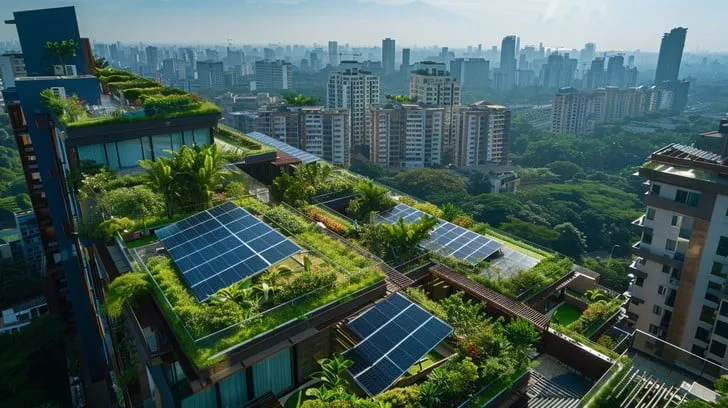
Green innovation clusters are designed with sustainability at every level. Buildings are equipped with smart energy systems that monitor and regulate consumption. Waste heat recovery, solar rooftops, and recycled water systems are now common features in these developments.
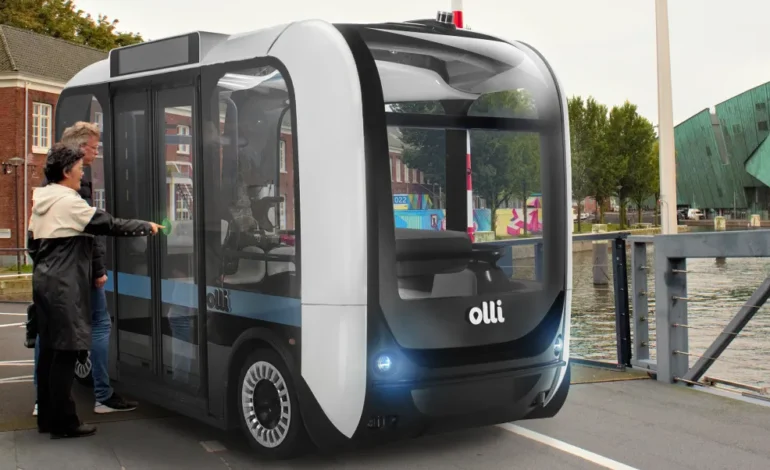
Transportation within the clusters relies on electric shuttles, autonomous vehicles, and pedestrian-friendly designs. Intelligent traffic management reduces congestion and energy waste, creating cleaner and more livable environments. Urban planners use data visualization tools to track emissions and optimize land use, ensuring that industrial growth aligns with environmental preservation.
Financing Sustainable Innovation
Green finance plays a crucial role in supporting these innovation clusters. Development banks and private investors are issuing green bonds to fund clean technology startups and renewable infrastructure projects. Transparent reporting frameworks ensure accountability and attract long-term investment from both domestic and international markets.
Several pilot cities have established sustainability-linked financing systems, where funding is released according to verified environmental performance indicators. This model encourages companies to meet measurable targets for carbon reduction, waste management, and energy efficiency.
Empowering Local Communities and Skills Development
Alongside industrial development, these clusters are designed to benefit local communities through education and employment opportunities. Technical training centers equip workers with skills in renewable energy maintenance, smart manufacturing, and environmental engineering.
Educational institutions within these zones also run awareness programs promoting sustainable lifestyles, recycling, and energy conservation. By embedding sustainability into both the workforce and community culture, China ensures that the benefits of green innovation are widely shared.
Global Cooperation and Knowledge Exchange
China’s green innovation clusters are becoming centers for international collaboration. Joint ventures with companies and research bodies from Europe, Japan, and Southeast Asia are fostering global knowledge exchange. Foreign experts contribute to environmental design and green manufacturing, while Chinese firms share experience in large-scale implementation and digital integration.
These partnerships strengthen China’s role in the global transition toward sustainable growth. By combining policy guidance, financial innovation, and technological excellence, the country is building a scalable model for green urbanization that can inspire cities worldwide.