China’s High Flying Drone Dilemma Highlights Tension Between Innovation and Aviation Safety
Drones Push Into Dangerous Airspace
China’s rapid advances in drone technology are creating a new regulatory challenge as unmanned aircraft begin operating at altitudes once reserved for commercial aviation. Recent reports of drones flying above eight thousand metres, approaching the height of Mount Everest, have alarmed aviation authorities and triggered renewed efforts to crack down on illegal operations. These extreme cases have drawn attention to what regulators describe as black flying, a term used in China to describe unauthorised drone flights that violate airspace rules.
What Black Flying Means in Practice
Under current Chinese regulations, light drones are restricted to a maximum altitude of one hundred and twenty metres. Any operation above that limit requires formal approval from aviation authorities and must be conducted by a licensed drone pilot. Flights that ignore these requirements are illegal and pose significant risks. Despite these rules, technological improvements in battery performance navigation systems and airframe design have made it easier for drones to exceed permitted heights without detection.
Aviation Safety Comes Under Pressure
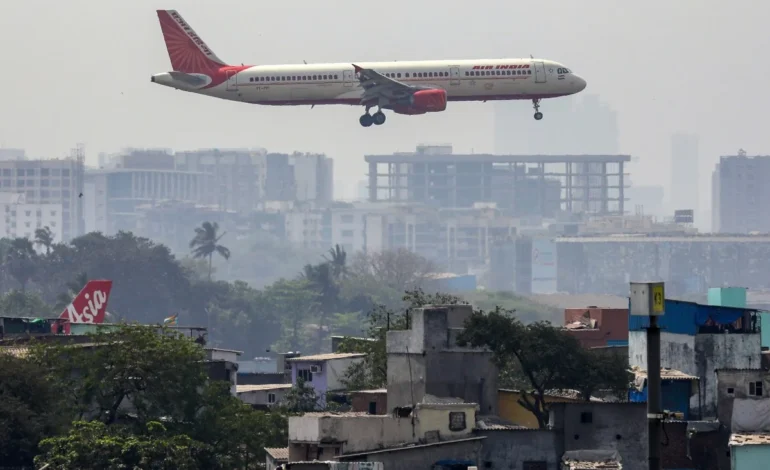
The primary concern for regulators is the growing risk to commercial aviation. At higher altitudes, drones could intersect with flight paths used by passenger aircraft cargo planes or emergency services. Even a small drone could cause serious damage if ingested into an aircraft engine or strikes a cockpit window. Authorities view the recent incidents as a warning that enforcement mechanisms have not kept pace with technological capability.
The Low Altitude Economy Ambition
China has been actively promoting what it calls the low altitude economy, a strategy aimed at unlocking economic value from drones air taxis logistics platforms and other airborne services. These technologies are expected to support industries ranging from agriculture and infrastructure inspection to urban delivery and emergency response. However, the drive to commercialise drone operations has exposed gaps in airspace management and regulatory oversight.
Industry Voices Call for Smarter Oversight
Industry insiders argue that outright restriction is not a long term solution. As drone performance improves, pressure will mount to revise existing altitude limits. Some experts suggest that with better air traffic coordination real time monitoring and automated identification systems, authorities could eventually allow drones to operate at heights of up to six thousand metres under controlled conditions. Such changes would require advanced integration between drone networks and traditional aviation systems.
Technology Outpaces Regulation
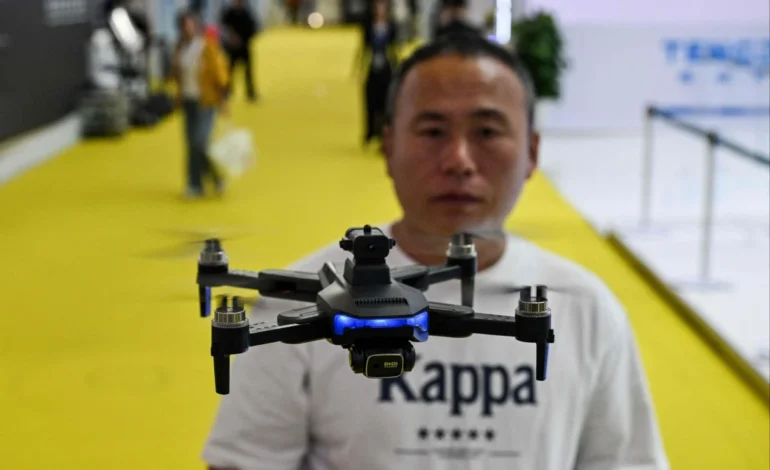
One of the core issues is the speed at which drone technology is advancing compared with the pace of regulatory adaptation. High performance drones are no longer limited to military or research use. Commercial and even consumer grade models now possess capabilities that challenge existing safety frameworks. Regulators face the task of writing rules that remain relevant as hardware software and operational models continue to evolve.
Enforcement Challenges Remain
Detecting and stopping illegal high altitude flights is complex. Drones can be launched from remote areas operate autonomously and avoid traditional radar systems. Authorities are increasingly relying on electronic identification geofencing and data sharing to improve enforcement. Still gaps remain particularly in less populated regions where oversight resources are limited.
Balancing Growth with Control
The drone dilemma reflects a broader tension within China’s technology policy. Innovation is strongly encouraged, but safety and stability remain paramount. Allowing uncontrolled expansion into sensitive airspace risks undermining public trust and disrupting aviation operations. At the same time overly rigid controls could slow the development of an industry seen as strategically important.
A Regulatory Crossroads
China now finds itself at a crossroads where decisions made today will shape the future of its drone ecosystem. The recent crackdown on black flying signals that safety will not be compromised in the short term. Yet ongoing discussions about higher altitude permissions suggest regulators are also preparing for a future where drones operate far beyond current limits.
Looking Ahead
Resolving the drone dilemma will require coordination between aviation authorities technology developers and commercial operators. Clear rules smarter monitoring and phased experimentation may offer a path forward. As drones continue to climb higher into the sky, China’s challenge will be ensuring that innovation and safety rise together rather than collide.