China’s High Tech Manufacturing Surges as New Robotics Hubs Come Online
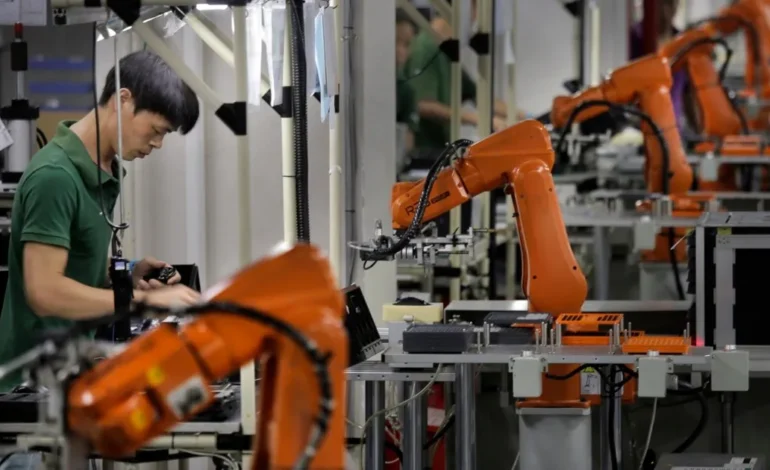
China’s high tech manufacturing sector is experiencing a new wave of growth as robotics hubs across multiple provinces begin full scale operations. The rise of advanced production centers reflects China’s long term strategy to strengthen its industrial base and expand global competitiveness. These hubs integrate robotics, artificial intelligence and precision engineering to support industries ranging from automotive parts to electronic components. Officials highlight that the rapid expansion of smart manufacturing marks a key turning point in the transformation of China’s industrial economy.
Expansion of Robotics Industrial Clusters
Several major robotics clusters have recently launched operations in regions such as Guangdong, Jiangsu and Zhejiang. These clusters bring together manufacturers, research institutes and automation service providers within concentrated zones that encourage collaboration and rapid prototyping. Local governments have supported the development of these hubs with infrastructure investment, research funding and industrial land planning. Companies within the clusters benefit from shared supply chains, access to specialized labor and proximity to key logistics networks.
Adoption of Smart Factory Systems
Smart factory systems are becoming a standard feature within the new robotics hubs. Sensors, automated vehicles, robotic arms and AI driven monitoring tools are integrated into production lines to improve efficiency and reduce errors. Many factories now operate with minimal manual intervention for repetitive tasks, allowing workers to focus on higher value responsibilities such as system maintenance, product design and data analysis. Industry specialists note that smart factories significantly improve production speed while reducing energy consumption and equipment wear.
Rising Domestic Demand for Robotics
Chinese manufacturers across diverse sectors are increasing their demand for industrial robotics. Companies in electronics, pharmaceuticals, renewable energy and automotive production are investing heavily in automation technology to meet rising market expectations. Robotics systems help firms handle precision tasks, maintain consistent product quality and navigate workforce shortages. Growing adoption has also fueled expansion among domestic robotics companies that are developing more affordable and specialized products tailored to local industry needs.
Integration of AI Driven Manufacturing Tools
Artificial intelligence plays an important role in the growth of China’s robotics hubs. Machine learning algorithms support predictive maintenance, real time quality inspections and automated scheduling systems. These tools help factories reduce downtime by identifying potential issues before they disrupt production. AI powered inspection systems also ensure that product defects are detected early in the manufacturing process. The combination of robotics and AI is enabling companies to improve consistency across complex assembly lines.
Surge in Export Potential
The expansion of high tech manufacturing has strengthened China’s export potential, particularly in sectors such as robotics components, precision sensors and automation software. Global companies seeking efficient manufacturing solutions are increasingly partnering with Chinese firms that operate modern, AI enhanced facilities. Export oriented factories have improved their capability to produce high value items that meet international certification standards. Analysts believe that China’s growing presence in the global robotics supply chain will continue to influence worldwide production trends.
Role of Research Institutes and Engineering Talent
Research institutes remain central to China’s high tech manufacturing progress. Universities and national labs are contributing innovations in robotic control systems, advanced materials and intelligent manufacturing algorithms. Engineering talent from these institutions is supporting rapid expansion across industrial hubs. Training programs are being updated to ensure that new graduates possess skills in automation, embedded systems and AI based optimization. Companies are actively recruiting young engineers to strengthen research teams and maintain momentum in industrial innovation.
Government Support and Strategic Planning
Supportive policy frameworks play a key role in the surge of high tech manufacturing. National guidelines emphasize the importance of digital transformation, automated production and technological self sufficiency. Local governments have implemented targeted programs to help companies adopt robotics and upgrade aging equipment. Financial incentives, pilot zone approvals and partnership platforms are helping to accelerate investment in next generation manufacturing. These coordinated policies highlight the strategic importance of high tech industries within China’s long term economic planning.
Supply Chain Improvements Strengthen Industrial Output
China’s expanding robotics hubs are supported by stronger supply chains that provide essential components such as sensors, servo motors and industrial chips. Domestic suppliers are improving quality and reliability, reducing reliance on imported equipment. These developments ensure that production cycles remain stable even during periods of global supply variability. Upgraded logistics infrastructure, digital supply chain platforms and expanded warehousing capacity contribute to smoother coordination between suppliers and manufacturers.
Growing Influence on Global Manufacturing
China’s progress in smart manufacturing is reshaping global production dynamics. The scale of its robotics hubs, combined with advanced automation technologies, gives Chinese factories the ability to deliver both high volume and high precision output. This capability enhances China’s role as a global center for industrial innovation. Companies from Europe, Asia and the Americas are closely watching these developments as they evaluate new partnerships, technology adoption and competitive strategies.