China’s Humanoid Robot Race Accelerates as Startups Push into Real World Use
A New Phase in China’s Robotics Competition
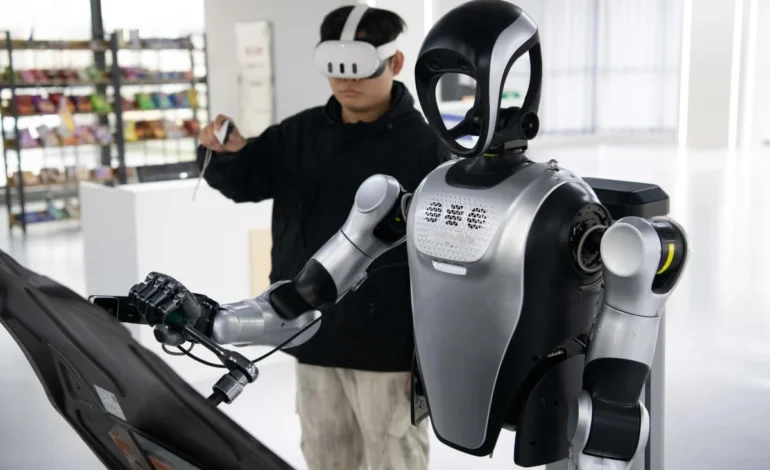
China’s robotics sector is entering a new and highly competitive phase as startups race to deploy humanoid robots in everyday environments. Once confined largely to research labs and tech demonstrations, humanoid robots are now being designed for stores offices and factories. Fueled by large funding rounds and rising confidence in commercial readiness, venture backed companies are moving quickly to secure first mover advantage before major technology giants dominate the space.
Startups Take the Lead Over Tech Giants
Rather than waiting for established firms to define the market, startups are driving innovation at speed. These young companies are focusing on fast iteration practical deployment and niche use cases. Their strategy is clear. By getting robots into real world settings early, they aim to collect data refine interaction and lock in partnerships with businesses that need automation solutions now rather than in the distant future.
Noetix Robotics Unveils Hobbs W1
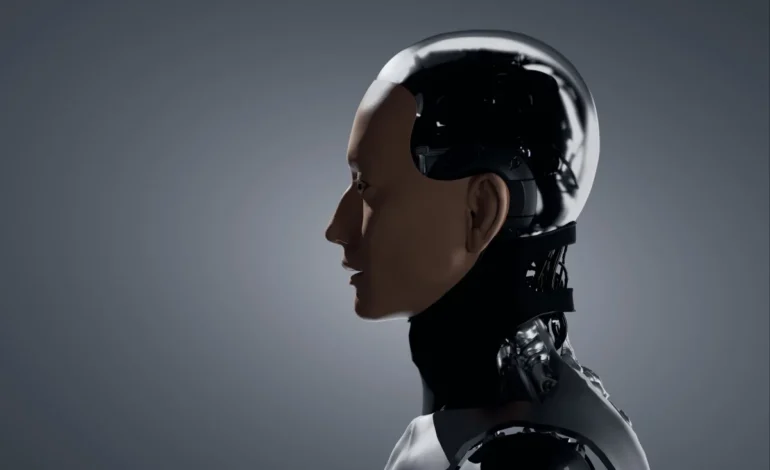
One of the most eye catching recent launches came from Noetix Robotics. The Beijing based startup introduced Hobbs W1, a service humanoid designed to interact naturally with humans. The robot features a lifelike female face a short black bob hairstyle and highly dexterous hands capable of precise movement. The design signals a clear shift toward robots that are not only functional but socially acceptable in customer facing roles.
Why Humanlike Design Matters
As humanoid robots move into public and professional spaces, appearance and interaction become critical. A robot working in a store lobby or office reception must appear approachable rather than intimidating. Startups like Noetix are investing heavily in facial expressions hand movements and posture to make interactions feel intuitive. This focus reflects a belief that adoption will depend as much on emotional comfort as on technical capability.
From Factories to Front Desks
China’s humanoid push is not limited to manufacturing. While factories remain a key target for automation, startups are increasingly eyeing service roles. Robots are being positioned to assist with logistics basic customer service security patrols and administrative tasks. Offices and retail spaces offer controlled environments where robots can operate under defined conditions while delivering clear productivity benefits.
Venture Capital Fuels Rapid Deployment
Much of this momentum is being driven by fresh capital. Investors see humanoid robots as a long term growth sector with applications across multiple industries. Funding allows startups to scale hardware production refine software and attract talent from AI and mechanical engineering fields. Unlike earlier robotics cycles focused on prototypes, today’s funding rounds are explicitly tied to deployment and revenue generation.
China’s Advantage in Scaling Robotics
China’s manufacturing ecosystem gives these startups a structural advantage. Access to supply chains sensors motors and precision components allows rapid iteration at lower cost. Combined with supportive local governments and a willingness among businesses to pilot new technology, the environment favors fast commercialization. This contrasts with regions where regulatory caution or higher costs slow adoption.
Competition Intensifies Across the Sector
As more startups enter the field competition is intensifying. Each company is trying to define its own niche whether in service interaction industrial labor or hybrid roles. The pace suggests that consolidation may eventually follow as larger players acquire successful designs or platforms. For now the arms race is pushing innovation forward at remarkable speed.
What Comes Next for Humanoid Robots
The next challenge will be reliability at scale. Deploying a handful of robots is one thing maintaining hundreds across varied environments is another. Success will depend on durability software stability and the ability to integrate with existing workflows. Still the direction is clear. Humanoid robots are no longer speculative concepts in China. They are becoming practical tools shaped by startups willing to move fast and take risks.
As these machines begin to populate workplaces and public spaces, China’s humanoid arms race is shifting from ambition to execution. The companies that master real world deployment first may define the global standard for human robot collaboration.