China’s Kuaishou Unveils Multimodal AI Video Model Featuring Powerful ‘Nano Banana’ Editing Tools
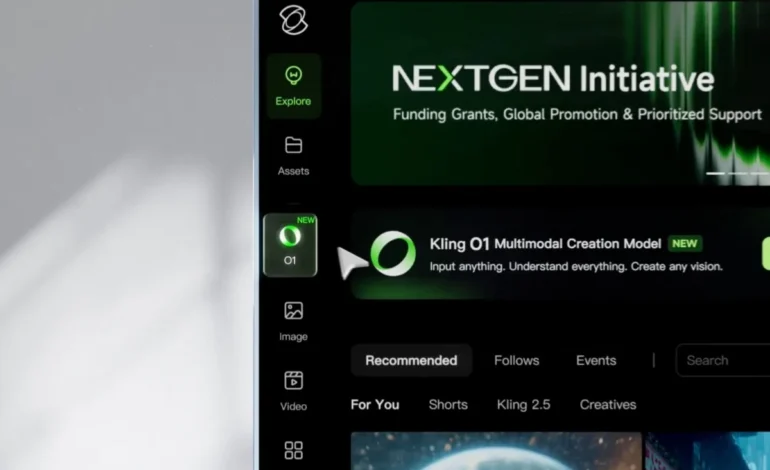
China’s short video giant Kuaishou has stepped confidently into the global race for AI-generated video technology with the launch of its latest model, Kling O1. Designed to compete directly with major players like OpenAI’s Sora and US-based startup Runway, this new system signals how quickly China’s tech ecosystem is expanding its influence in the creative technology landscape. As demand for high-quality AI-generated content grows among filmmakers, advertisers, influencers, and production houses, Kuaishou is positioning its model as a complete creative partner capable of handling advanced production-level tasks.
A single model built to manage multiple video tasks
What makes Kling O1 stand out is its unified multimodal structure. Instead of relying on different tools for separate tasks, the model combines video generation, precise editing, and deep video understanding within one streamlined platform. This means creators no longer need to juggle multiple programs to design, adjust, and refine their work. According to Kuaishou, this unified approach provides a seamless end-to-end workflow that allows users to move from concept to final product more efficiently than ever. By integrating all major creative processes under one system, Kling O1 aims to redefine how digital production teams approach content creation.
Advanced editing inspired by the ‘Nano Banana’ concept
One of the most talked about features of the new model is its so called “Nano Banana” editing capability, a term used by experts to describe its highly detailed and flexible editing functions. Alvaro Cintas Canto, an assistant professor of AI and cybersecurity at Marymount University, praised the model on X by comparing it to the famous precision and consistency associated with the Nano Banana concept in the AI community. He highlighted how the system maintains character stability across complicated scenes, a challenge many AI video models still struggle with. This ability is especially important for filmmakers and advertisers who require continuity and professional level results.
Bringing creativity and technical power together
Kling O1 is designed not only for producing imaginative clips from text prompts but also for offering fine control over every part of the video. Creators can adjust characters, environments, camera angles, lighting effects and movements without losing visual quality. The model understands context and visual relationships within scenes, allowing it to make intelligent adjustments when users request specific changes. These capabilities give professionals the room to experiment with ideas that would normally require large teams, long hours and high budgets. By merging creativity with technical depth, the tool focuses on expanding what individuals and small studios can achieve.
A major boost for China’s competitive edge in AI
Kuaishou’s entry into advanced AI video generation highlights China’s growing strength in the global AI market. With companies like ByteDance, Baidu and Tencent already pushing innovations in text, audio and image based AI, the launch of Kling O1 shows that video technology is becoming the next major frontier. The company’s confidence in releasing a model capable of competing with established international leaders demonstrates how quickly China’s research and engineering capacity has grown. These tools also reflect the country’s ambition to help shape global standards in digital creativity.
Opportunities for filmmakers, advertisers and content creators
The model’s diverse capabilities are expected to attract a wide range of users. Filmmakers can use it to create concept scenes or entire sequences without needing large production environments. Animation teams may rely on Kling O1 to speed up storyboarding and character development. Advertisers can generate polished visuals that match brand requirements without long turnaround times. Influencers and content creators can design high quality videos for social media platforms, benefiting from tools that make editing simpler and more intuitive. Kuaishou sees this model as an opportunity to give creators more control and freedom over their content.
Why Kling O1 could reshape future video creation
As AI continues to evolve, tools like Kling O1 will likely influence how people think about filmmaking and digital storytelling. By offering a single system that handles generation, editing, and scene understanding, it reduces technical barriers that once limited creative expression. This shift encourages more experimentation, faster production cycles, and greater accessibility across the creative industry. Kuaishou’s model demonstrates that the future of video creation is not just about producing high-quality visuals but about empowering users through intuitive and advanced technology.