China’s Modern Martyrs: How Heroism Shapes National Identity in a New Era
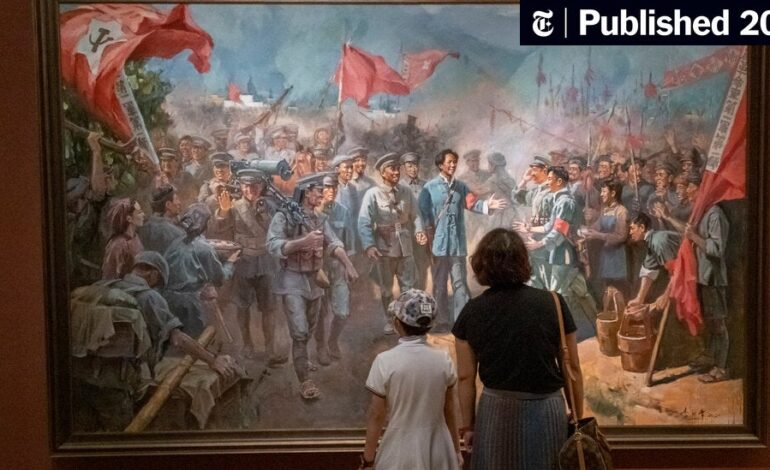
In today’s China, the concept of heroism has taken on renewed significance. What once seemed like a relic of Mao-era revolutionary tradition has now evolved into a key strategy to strengthen national unity, civic values, and political loyalty. Over the past decade, the Chinese government has actively revitalized its hero and martyr worship programs, framing self-sacrifice as the highest form of patriotic contribution.
According to university lecturer Vincent Chang, this resurgence is far from symbolic. It reflects a deeper political calculation: the fear of ideological erosion, similar to what China believes led to the collapse of the Soviet Union. With China on a determined path to global superpower status, the Communist Party sees social cohesion as vital to avoiding the same fate.
Today’s celebrated heroes are no longer just revolutionaries or war veterans. They are also ordinary citizens who perform extraordinary acts, such as rescuing someone from a burning vehicle or sacrificing themselves in the line of duty. First responders, firefighters, and even civilians are honored in a structured, official way, with legally recognized martyrdom bringing tangible benefits to surviving families. These include preferential access to housing, education, jobs, and even free travel.
This system reinforces social hierarchy and community respect. Martyrs receive public honors, memorial stones, and are commemorated through collective rituals like flower-laying and ceremonial bows. Schoolchildren often visit their graves as part of moral education, sometimes undertaking long walks to emphasize effort and remembrance.
Chang notes that this is not simply top-down propaganda. Many commemorations begin at the grassroots level, with digital technology now playing a central role. Virtual flower-laying services and AI recreations of deceased heroes have emerged, allowing people to interact with historical figures in new ways.
China is also exporting this memory culture abroad. Embassies are tasked with honoring overseas Chinese martyrs, from African railway workers to journalists killed during the NATO bombing in Belgrade. These ceremonies often target overseas Chinese communities, reinforcing patriotism and collectivist values beyond China’s borders.
This wide-reaching campaign to modernize and globalize hero worship is part of the broader “Global China” strategy. It combines soft power, domestic unity, and international influence, all while reinforcing the values that the Chinese Communist Party considers essential in this critical stage of its development.
As China continues its rise on the world stage, the nation’s heroes, both past and present, play a growing role in shaping identity, loyalty, and the narrative of progress.