China’s new five year plan signals deeper tech control, export reliance and rising global competition
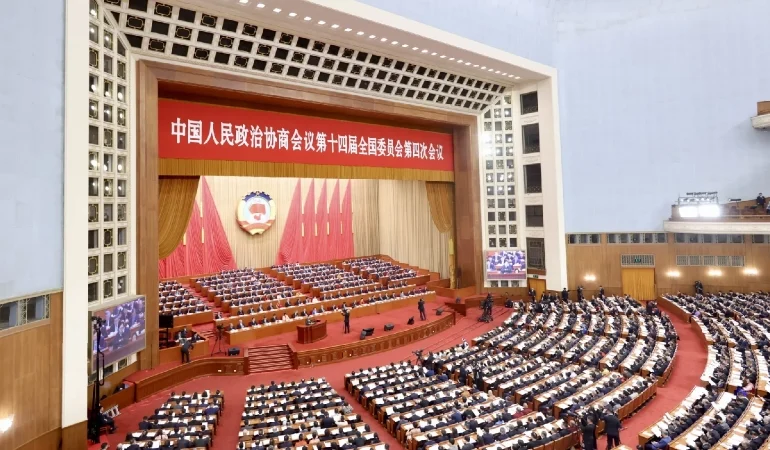
China’s latest five year development plan is sending a clear signal to global markets that Beijing intends to strengthen control over critical supply chains, accelerate high technology investment and maintain its export driven economic model despite rising geopolitical tensions. The plan reinforces China’s long standing strategy of positioning itself as a dominant industrial and technological power while responding to growing pressure from the United States and its allies. Officials framed the blueprint as a continuation of stable growth and technological advancement, but the details reveal a more assertive push into strategic sectors that are increasingly central to global competition.
One of the most significant priorities outlined in the plan is the expansion of China’s control over critical minerals and industrial supply chains. Beijing is doubling down on rare earths and related materials, aiming to strengthen its position across the entire value chain from extraction to final product manufacturing. This approach is designed to reduce external dependence while increasing leverage over global industries that rely on these materials. At the same time, the plan emphasizes moving domestic firms further up the value chain, ensuring that more processing and production remain within China’s borders as global demand for advanced components continues to grow.
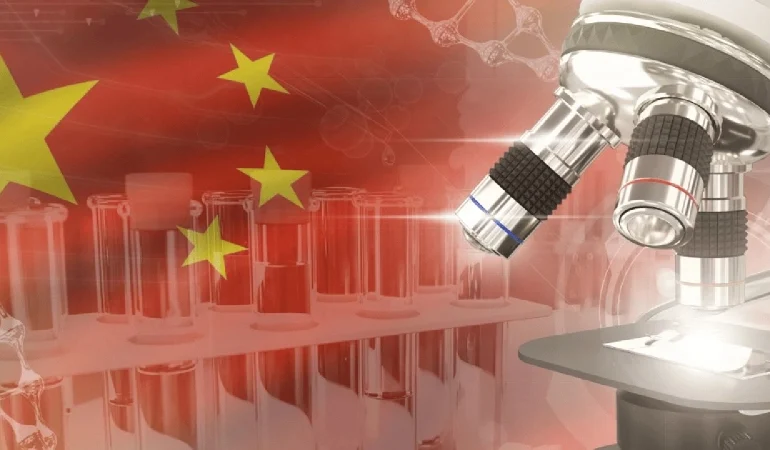
Biotechnology has also emerged as a key strategic focus, with the plan detailing specific targets for innovation across life sciences, pharmaceuticals and brain related research. The sector is being positioned alongside artificial intelligence and quantum computing as a core driver of future economic growth. Increased investment, tighter data controls and integration with AI systems are expected to accelerate development, reflecting China’s ambition to build a self sufficient ecosystem in high value scientific industries. This shift marks a transition from earlier policies where biotechnology played a more limited role compared to manufacturing and industrial technology.
The plan also highlights continued reliance on exports as a central pillar of economic growth, despite ongoing global concerns about trade imbalances. With domestic consumption still relatively weak, China is expected to maintain strong export volumes, reinforcing its role as a major supplier of goods to global markets. This strategy could intensify trade tensions as other economies respond to competitive pressure from Chinese manufacturing. At the same time, Beijing appears confident that global policy responses will remain fragmented, allowing its export driven model to continue without major structural adjustments.
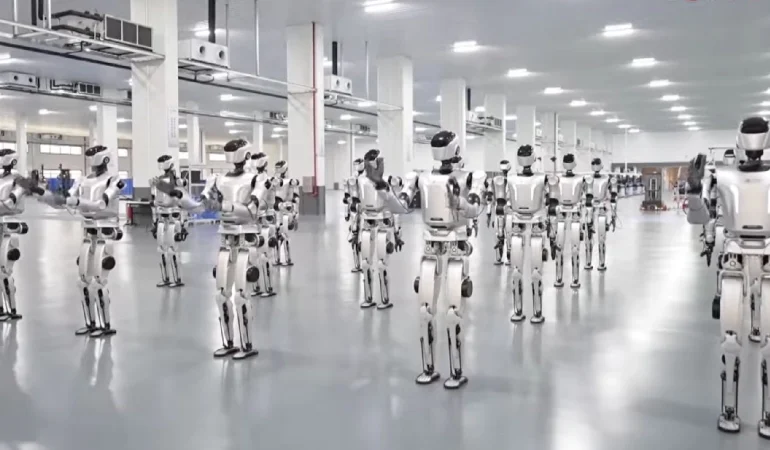
Artificial intelligence and research investment are positioned as long term engines of growth, with China aiming to expand national research spending and accelerate adoption across industries. While the plan promotes rapid deployment of AI technologies, it gives limited attention to potential labor disruptions, even as automation expands into manufacturing and services. Increased funding for research institutions and industrial innovation is expected to support breakthroughs in emerging technologies, reinforcing China’s ambition to lead in next generation industries while reshaping the global balance of technological power.