China’s Old Growth Model Is Finished But Its New One Isn’t Delivering Yet
Beijing Bets on a New Economic Strategy
China is trying to reinvent the way its economy grows. After decades of relying on property development heavy infrastructure spending and cheap labor Beijing now says it wants a more sustainable model driven by advanced manufacturing green technology high end exports and strategic investment. The goal is ambitious. If the new model works China could become wealthier more productive and more equal even as it faces a shrinking population rising debt and slowing domestic demand. But so far the strategy has struggled to produce the strong results Beijing promised.
A Shift Away from the Old Engines of Growth
For years China relied on real estate and construction to fuel record breaking GDP growth. That model is no longer viable. The property sector is overloaded with debt local governments are strapped for cash and household incomes are not rising fast enough to support large scale home buying. At the same time cheap mass manufacturing is losing its competitive edge as wages rise and supply chains diversify into Southeast Asia. Beijing recognizes these weaknesses and is pushing China toward industries like electric vehicles robotics batteries and other high tech manufacturing.
The New Model Prioritizes High Tech and Export Power
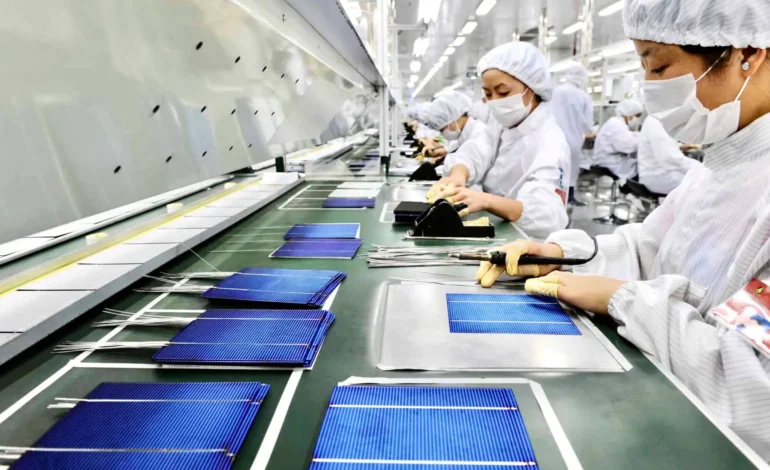
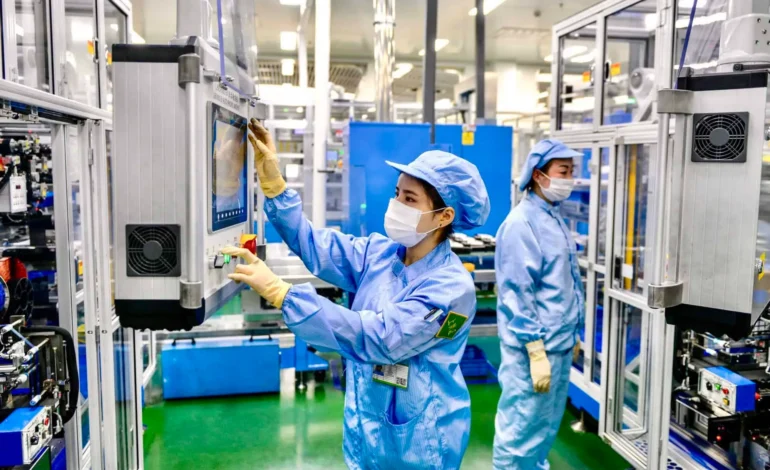
China’s policymakers believe advanced manufacturing and clean energy technologies can offset the decline of property driven growth. They point to successes in electric vehicles solar equipment batteries and industrial automation. Factories across the country are being retooled for these sectors and Beijing is directing substantial financing toward them. However relying heavily on exports creates new risks. When global demand softens or foreign governments respond with tariffs China’s growth becomes more vulnerable. The United States and Europe have already introduced measures targeting Chinese EVs and green tech due to concerns about overcapacity and unfair competition.
Population Decline and High Debt Complicate the Transition
Even with promising industries emerging China’s aging and shrinking population is a major structural challenge. Fewer workers mean slower long term growth and greater pressure on social welfare systems. Meanwhile years of debt fueled expansion have left local governments saddled with liabilities they struggle to repay. This limits their ability to support new economic initiatives or stimulate demand. Without stronger household spending or deep fiscal reform the new growth model risks stalling before it fully takes off.
Why the Plan Isn’t Working Yet
While Beijing’s strategy identifies the right problems it has not yet created enough momentum to replace the old engines of growth. Consumer confidence is weak companies are cautious about hiring and private investment is subdued. The government has pushed for technological upgrading and self sufficiency but avoided major stimulus measures that could boost demand more quickly. The result is a transition that looks promising on paper but uneven in practice. Some sectors soar while the broader economy drifts.
Global Trade Faces Disruption Either Way
Even if China’s transformation does not fully succeed it will reshape global trade. If Chinese firms ramp up production of cheap high tech goods foreign industries could face intense competitive pressure. If China struggles and domestic demand stays weak global exporters from Germany to Australia will feel the impact. Whether the new model works or falters China’s role in the world economy is changing and other nations will need to adjust.
A Long Road Ahead for China’s Economic Reboot
Beijing believes it can engineer a shift toward a more innovative self sustaining economy but the process will take years and involve setbacks. The old model is gone and the new one is still taking shape. The challenge now is whether China can strengthen domestic demand reduce financial risks and maintain technological momentum at the same time. How China manages this transition will determine not only its own future but also the direction of global markets for decades to come.