China’s Rare Earth Magnet Exports to Europe Surge as Licensing Rules Ease
Export Rebound Signals Shift in Supply Conditions
China’s exports of rare earth permanent magnets to the European Union rose sharply in November, marking a clear rebound after months of uncertainty around supply approvals. The increase follows confirmation from Beijing that it has begun issuing general export licences with longer validity periods for overseas shipments. These materials are critical components in a wide range of high tech applications, from electric vehicles and wind turbines to consumer electronics and industrial automation.
Strong Year on Year Growth in Volumes and Value
According to data released by General Administration of Customs, China exported 2,568.8 tonnes of permanent magnets to the EU in November. This represents a year on year increase of nearly 60 percent. Export value rose at a similar pace, climbing more than 60 percent to about 106.85 million US dollars. The figures suggest that European buyers are moving quickly to secure supplies as regulatory clarity improves.
Month on Month Momentum Builds
The rebound was not limited to annual comparisons. On a month on month basis, export volumes to the EU rose by almost 25 percent. This sequential growth indicates that the recovery is gaining momentum rather than reflecting a one off correction. Analysts note that pent up demand from European manufacturers likely contributed, especially after earlier delays linked to tighter approval processes.
Why Rare Earth Magnets Matter
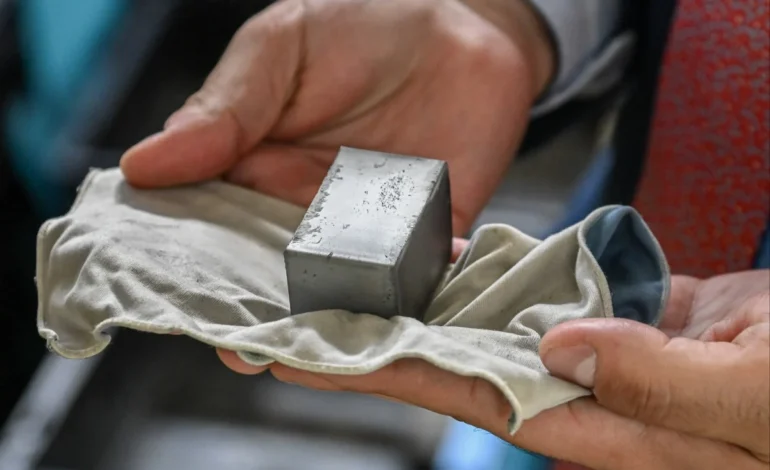
Permanent magnets made with rare earth elements such as neodymium and dysprosium are essential to modern industrial systems. They play a central role in electric vehicle motors renewable energy equipment robotics and advanced manufacturing. Europe’s push toward electrification and green transition has sharply increased demand for these components, leaving manufacturers sensitive to any disruption in Chinese supply, which dominates global production.
Licensing Changes Unlock Overseas Shipments
The recent export surge follows Beijing’s move to grant general licences with longer terms, reducing administrative friction for exporters and foreign buyers. Previously, shorter licence durations and stricter scrutiny had slowed shipments and added uncertainty to procurement planning. By easing these constraints, Chinese authorities appear to be stabilising outbound trade while maintaining regulatory oversight of strategically important materials.
Implications for European Industry
For European manufacturers, the increase in shipments provides near term relief. Automakers wind turbine producers and electronics firms have been under pressure to secure stable access to magnets as supply chains become more geopolitically sensitive. Higher and more predictable export volumes from China reduce immediate risks of production bottlenecks, although concerns about long term dependency remain.
Strategic Context of China EU Trade
Rare earths sit at the intersection of trade policy industrial strategy and geopolitics. China’s dominance in processing and magnet manufacturing gives it significant leverage in global supply chains. The export rebound suggests a tactical adjustment rather than a structural shift, as Beijing balances commercial flows with strategic considerations. For the EU, the data reinforces the urgency of diversifying supply sources and investing in domestic processing capacity.
Market Outlook Remains Cautious
While November’s figures are strong, industry observers caution against assuming a straight line recovery. Demand cycles regulatory signals and broader trade relations will continue to influence flows. Any change in licensing conditions or geopolitical tensions could quickly affect shipment volumes. Still, the latest data shows that approvals are translating into tangible trade outcomes.
A Key Signal for Clean Tech Supply Chains
The surge in exports underscores how closely Europe’s clean tech ambitions are tied to rare earth supply. As electrification accelerates, magnets remain a foundational input. November’s rebound offers reassurance in the short term, but it also highlights why rare earths will stay central to policy and trade discussions between China and Europe in the years ahead.