China’s Semiconductor Recovery and Supply Chain Independence Strategy
China’s semiconductor sector is entering a renewed phase of recovery as policymakers and industry leaders work to strengthen domestic capabilities. Semiconductors are essential for everything from smartphones to electric vehicles, cloud computing and artificial intelligence. China’s ambition is to build an independent and resilient supply chain that reduces exposure to external disruptions. Recent progress in manufacturing equipment, material science and advanced packaging shows that the sector is moving toward stability. This recovery forms part of a broader national strategy to secure critical technologies for long term development.
Strengthening domestic production capacity
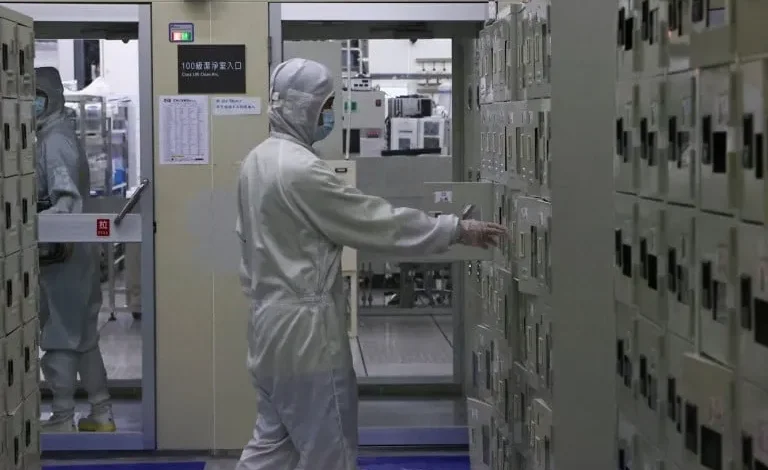
Building strong production capacity is central to China’s semiconductor strategy. Investments in foundries, fabrication plants and research facilities continue to expand across major industrial regions. Companies are increasing their focus on mature process technologies while gradually advancing toward more sophisticated nodes. By enhancing domestic production capabilities, China aims to reduce reliance on foreign suppliers and ensure consistent availability of essential components. This long term approach supports economic resilience and prepares industries for future technological upgrades.
Advancing research and development for next generation chips
Research and development remain at the heart of China’s semiconductor ambitions. Universities, research institutes and private companies are collaborating to accelerate breakthroughs in chip design, new architectures and manufacturing technologies. China is placing particular emphasis on areas such as advanced lithography alternatives, compound semiconductors and energy efficient chip designs. These research efforts help build the foundation for a competitive semiconductor ecosystem. Strengthening R and D capabilities also supports the development of high performance computing, autonomous systems and emerging digital industries.
Building secure and integrated supply chains
Supply chain stability is one of the most important priorities for China’s semiconductor recovery. The country is promoting closer cooperation among suppliers of materials, equipment and components to create a more integrated ecosystem. Strengthening logistics networks, expanding domestic production of key inputs and establishing strategic reserves help reduce vulnerabilities. China is also encouraging companies to adopt digital supply chain tools that improve visibility, reduce delays and enhance coordination. Building a secure supply chain ensures that industries relying on semiconductors can plan confidently for long term growth.
Expanding talent development to support industry needs
Skilled talent is vital for the semiconductor sector. China is investing heavily in education and training programs that prepare engineers and researchers for careers in chip design, manufacturing and packaging. Universities are expanding semiconductor related programs while companies offer internships and professional training to build practical expertise. Talent development initiatives help address skill shortages and support the long term sustainability of the industry. Creating a strong talent pipeline enhances China’s ability to compete globally and promote continuous innovation.
Encouraging global cooperation despite challenges
While China aims to strengthen independence, it continues to pursue international cooperation in areas where mutual benefit is possible. Collaborative research projects, technology exchanges and supply chain partnerships help support global innovation. At the same time, geopolitical tensions and export controls present challenges to cooperation. China seeks to manage these pressures by building diversified partnerships and reducing reliance on single markets. This balanced approach reflects the reality of a globalized industry where complete separation is neither practical nor desirable.
Supporting emerging industries that rely on semiconductor innovation
Semiconductors play a central role in China’s broader technology ecosystem. Industries such as artificial intelligence, electric vehicles, renewable energy and cloud computing depend on reliable chip supplies. Strengthening the semiconductor sector supports these emerging fields and drives industrial upgrading. Chinese firms are integrating semiconductor innovation into smart manufacturing, intelligent logistics and digital infrastructure development. This integration reflects the strategic importance of semiconductors in supporting national modernization goals.
A long term strategy defined by resilience and technological ambition
China’s semiconductor recovery and supply chain independence strategy reflect a long term vision aimed at strengthening national capabilities and ensuring technological resilience. The combination of domestic investment, research development, talent cultivation and strategic cooperation supports sustained progress. While challenges remain, China’s commitment to building a robust semiconductor ecosystem demonstrates its ambition to become a leader in critical technologies. The coming years will determine how effectively China can balance independence with global engagement in an industry essential to global innovation.