China’s Startup Ecosystem 2025: The Rise of GreenTech and DeepTech Firms
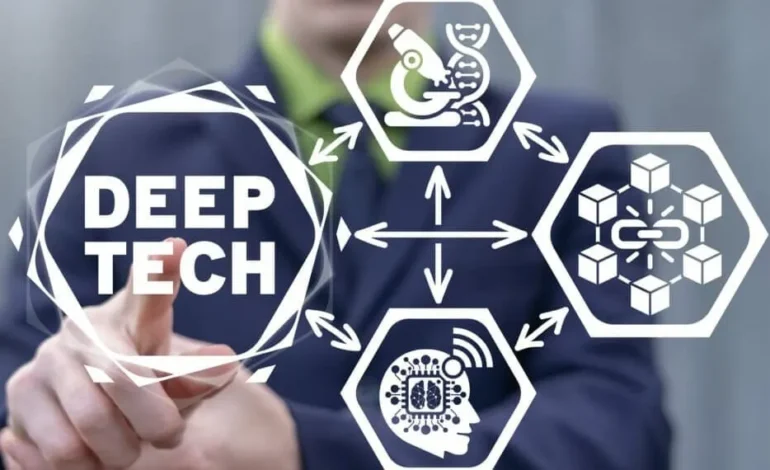
China’s startup landscape in 2025 is experiencing a profound shift from consumer-driven internet models to innovation-led enterprises in GreenTech, DeepTech, and advanced manufacturing. The country that once dominated global app economies through giants like Alibaba, ByteDance, and Meituan is now turning its focus toward hard technology, sustainability, and scientific research commercialization. Supported by new investment frameworks, state policies, and university-linked incubators, China’s startups are building solutions for climate change, semiconductor independence, biotechnology, and next-generation mobility. This pivot reflects a broader national goal to achieve technological sovereignty while addressing global environmental challenges.
From Platform Economy to Innovation Economy
Over the last decade, China’s digital ecosystem was dominated by e-commerce and social media startups. However, regulatory tightening since 2021 and saturation in online consumer markets pushed entrepreneurs toward emerging industrial technologies. The government’s 14th Five-Year Plan emphasizes innovation in strategic sectors such as AI chips, renewable energy, and green manufacturing. According to data from ITjuzi, China registered more than 32,000 DeepTech startups by mid-2025, a 38 percent increase from 2022. Investors are now channeling capital into hardware-based innovation rather than pure software plays.
Venture capital firms that once favored quick-return internet projects have reoriented their portfolios. Funds like Sequoia China (now HongShan) and Hillhouse Capital are investing in companies developing hydrogen batteries, quantum processors, and sustainable materials. Shenzhen and Shanghai have emerged as hubs for energy innovation, while Beijing remains the epicenter for AI and robotics research.
GreenTech as a National Priority
Green technology has become the centerpiece of China’s startup evolution. With the country targeting carbon neutrality by 2060, entrepreneurs are focusing on renewable energy storage, smart grids, and carbon capture systems. Companies like Envision Energy, CATL, and emerging startups in Shenzhen are developing low-cost battery technologies for electric vehicles and solar integration. In 2024 alone, venture investment in Chinese GreenTech surpassed US$18 billion, driven by both private capital and policy subsidies.
Several pilot programs are showcasing practical innovations. In Jiangsu province, a startup-led consortium has deployed AI-powered microgrids that automatically adjust power distribution based on consumption data. In Sichuan, startups are experimenting with next-generation hydroelectric storage that reduces carbon intensity by 20 percent. These projects demonstrate how startup-led innovation can translate national climate goals into commercial solutions.
DeepTech and Scientific Commercialization
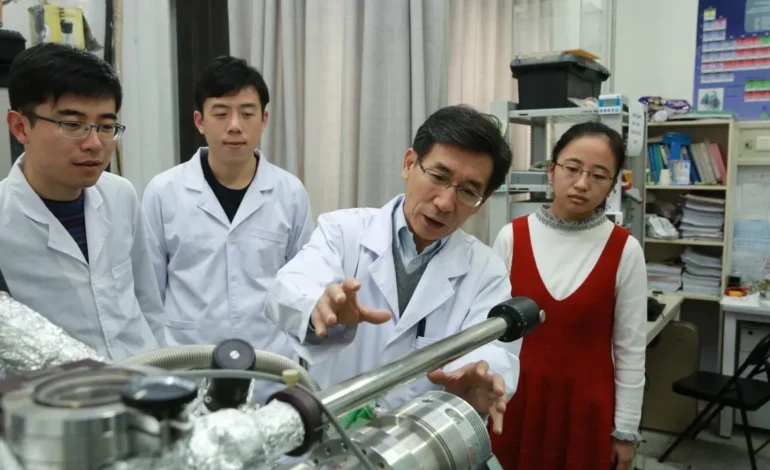
DeepTech startups in China are bridging the gap between research and commercialization. The government’s National Key Laboratory Transfer Initiative allows academic institutions to partner with private companies for applied R&D. This initiative has led to the rapid growth of DeepTech clusters around Tsinghua University, Peking University, and ShanghaiTech.
Startups specializing in quantum computing, advanced materials, and photonics are attracting record funding rounds. For example, Origin Quantum, based in Hefei, has developed a 72-qubit superconducting chip, marking China’s most advanced commercial quantum processor. Similarly, XtalPi, a Shenzhen-based AI and drug discovery startup, combines physics-based simulations with machine learning to accelerate pharmaceutical research. These firms exemplify the integration of scientific depth and commercial scalability.
Venture Capital and Policy Alignment
China’s startup funding environment has evolved to align with national industrial policy. The Guidelines for Technological Finance 2025 encourage collaboration between state banks and venture investors to provide long-term financing for high-risk scientific ventures. Unlike previous startup cycles dominated by speculative funding, the current ecosystem prioritizes measurable technological outcomes.
The rise of “patient capital” has become a defining feature of the new Chinese venture scene. Funds managed by state-backed institutions, such as the National Green Development Fund and the China Integrated Circuit Industry Fund, provide equity and low-interest loans for startups working on sustainable infrastructure and chip technology. This public-private alignment ensures that innovation aligns with the country’s strategic goals rather than short-term market trends.
Regional Innovation Clusters
China’s innovation geography is evolving around specialized clusters that foster collaboration between startups, corporates, and academia. In Shenzhen, robotics and advanced manufacturing startups benefit from proximity to major suppliers and component producers. Shanghai has emerged as the center for GreenTech, hosting multiple carbon-neutral demonstration zones. Beijing remains the intellectual hub, housing AI, biotech, and quantum computing startups supported by top research institutions.
Beyond tier-one cities, regional innovation zones are also emerging. Chengdu and Xi’an have built incubators for space technology and aerospace materials, while Hangzhou’s “Future Energy Valley” focuses on hydrogen and sustainable mobility. This distributed innovation model ensures that the benefits of startup activity spread beyond coastal metropolises, strengthening the national innovation network.
Challenges and Competitive Landscape
Despite its momentum, China’s startup ecosystem faces challenges in global market integration and talent acquisition. U.S. export restrictions on advanced chips and software limit collaboration with Western technology firms. To counter this, Chinese startups are diversifying partnerships across Asia, the Middle East, and Europe under the Digital Silk Road initiative. This has led to new markets for clean energy, AI governance tools, and smart city technologies.
Talent retention is another key issue. Many young engineers trained abroad are being encouraged to return through incentive programs like Thousand Talents 2.0, which offer research funding, housing subsidies, and startup capital. However, competition for skilled workers remains intense, especially in semiconductor and AI research fields.
Global Reach and Future Prospects
China’s GreenTech and DeepTech startups are rapidly expanding internationally. Companies are establishing joint ventures in Southeast Asia, Europe, and Africa, exporting technologies for renewable energy management, digital infrastructure, and agricultural automation. These collaborations position China as a driver of sustainable innovation beyond its borders.
Looking forward, the fusion of policy-driven innovation, scientific excellence, and venture capital discipline is likely to define China’s startup ecosystem for the next decade. With the government emphasizing “independent innovation” as a pillar of economic resilience, the momentum behind GreenTech and DeepTech firms will continue to grow. As global markets shift toward sustainability and digital infrastructure, Chinese startups are poised not only to compete but to lead in defining the technologies that power the future economy.
Conclusion
China’s startup ecosystem in 2025 stands as a symbol of transition from internet entrepreneurship to deep scientific and environmental innovation. The convergence of state policy, private capital, and academic research has produced a new generation of companies with global ambitions and long-term vision. GreenTech firms are accelerating the energy transition, while DeepTech startups are laying the groundwork for breakthroughs in computing, materials, and life sciences. This ecosystem reflects China’s evolution into an innovation powerhouse that integrates sustainability with technological strength. The coming years will determine whether these startups can maintain their momentum and establish China as the world’s most dynamic hub for transformative, impact-driven entrepreneurship.