China’s Surging Trade Surplus May Trigger Protectionist Pushback in 2026
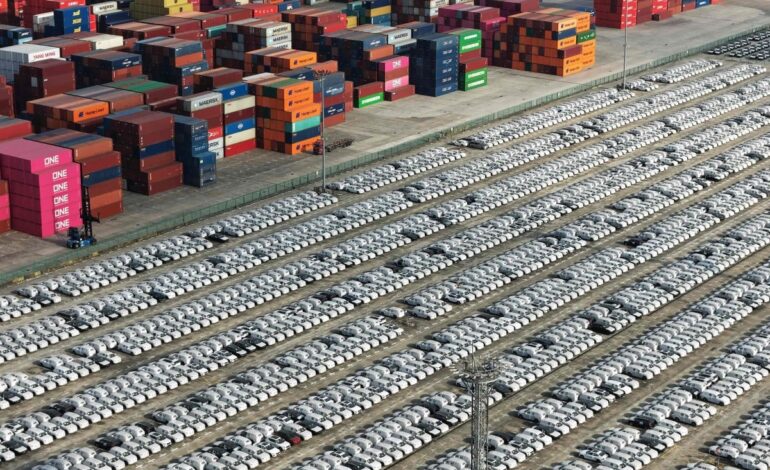
China’s record breaking trade surplus could invite a stronger protectionist response from global partners next year, potentially complicating Beijing’s efforts to achieve its economic growth targets in 2026, according to a new report by U.S. based researchers.
In the first eleven months of 2025, China’s trade surplus exceeded one trillion US dollars, already surpassing the total recorded for the whole of last year. While the milestone highlights the country’s export strength, analysts warn it could also intensify political and economic pressure from trading partners concerned about imbalances.
According to the report from Rhodium Group, exports are expected to remain the single most important factor shaping China’s real economic growth next year. However, co founder Daniel Rosen said that rising trade restrictions and softer global demand could weigh heavily on export performance in 2026.
Rosen noted that changes in external demand and inventory restocking cycles in developed economies present clear risks. These pressures are expected to intensify as growth slows across advanced markets. The International Monetary Fund has already forecast a continued deceleration in economic activity in developed economies in 2026, which could reduce appetite for imports and limit China’s export momentum.
The report suggests that Europe and some emerging markets may respond more forcefully to China’s trade practices, building on restrictions already introduced on certain categories of Chinese goods. Such measures could range from tighter import controls to higher tariffs or expanded industrial policy protections aimed at shielding domestic manufacturers.
China’s expanding surplus has been driven in part by efforts to diversify export markets and strengthen supply chains beyond traditional partners. Rosen also pointed to the depreciation of China’s real exchange rate as a contributing factor, saying it has made Chinese goods more competitive abroad. He added that this currency trend aligns with ongoing deflationary pressures within China’s domestic economy.
While a weaker currency can support exports in the short term, it may also heighten concerns among trading partners about competitive pricing and market distortions. Analysts say this dynamic increases the likelihood of trade friction, particularly at a time when many governments are under pressure to protect jobs and industries at home.
For Beijing, the challenge lies in balancing export driven growth with rising geopolitical and economic resistance. If protectionist measures expand in scope or intensity, they could undermine one of the key engines supporting China’s economy as it navigates a period of slower global growth.
The Rhodium report concludes that while China’s trade performance remains impressive, its very success could provoke reactions that make the economic outlook for 2026 more complex and uncertain.