China’s Wang Yi Condemns US Role in Venezuela, Warning Against ‘International Policeman’ Behavior
Sharp rhetoric amid rising tensions in Latin America
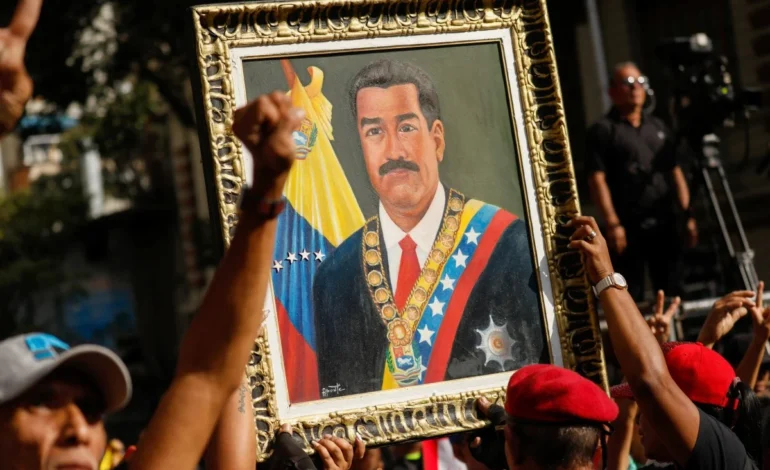
China’s foreign minister Wang Yi has accused the United States of acting as an “international policeman” in Venezuela, using what he described as bullying tactics that undermine sovereignty and international norms. His remarks came during a meeting with Pakistan’s foreign minister Ishaq Dar, just a day after reported US military strikes on Caracas intensified global scrutiny of Washington’s approach toward the crisis stricken country. The timing and tone of Wang’s comments underline Beijing’s growing willingness to speak forcefully against US interventionism on the world stage.
Venezuela as a flashpoint for global power rivalry
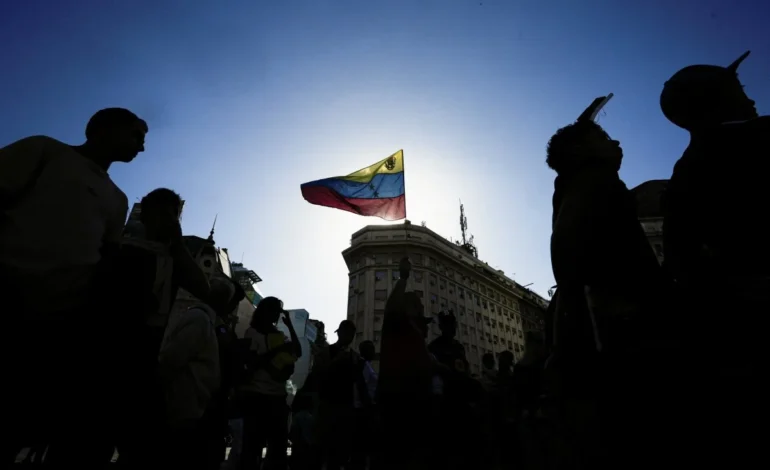
Venezuela has become a recurring arena for geopolitical confrontation, where sanctions, diplomatic pressure, and now military action intersect. China views recent US moves as part of a broader pattern of unilateral intervention that bypasses multilateral mechanisms. Wang’s criticism reflects Beijing’s long held position that disputes should be resolved through dialogue rather than coercion. By framing the issue around sovereignty and non interference, China is reinforcing principles it consistently invokes when responding to US actions not only in Latin America but also in Asia, the Middle East, and Africa.
Messaging shaped by strategic partnerships
Wang’s remarks were delivered alongside Pakistan’s foreign minister, a choice that carries symbolic weight. China and Pakistan describe their relationship as an all weather strategic partnership, and joint appearances often signal alignment on major international issues. By voicing criticism of the US in this setting, Beijing emphasized that opposition to what it calls hegemonic behavior is shared by a broader group of countries, rather than being a purely bilateral grievance. The exchange also highlights China’s effort to coordinate messaging with partners in the Global South.
Condemnation of unilateral force
Central to Wang’s statement was a rejection of unilateral military action. He warned that portraying intervention as a form of global policing risks destabilizing international order and encouraging power politics. From Beijing’s perspective, the use of force without broad international authorization erodes trust in global governance structures. Analysts note that China is particularly sensitive to precedents that normalize external intervention, as such actions could later be cited to justify pressure on other states under the banner of security or humanitarian concerns.
Broader implications for US China relations
The strong language directed at Washington underscores the strained state of US China relations. While the two powers continue to engage on issues such as climate change and global finance, strategic rivalry increasingly shapes diplomatic exchanges. Venezuela has now joined a list of issues where Beijing openly challenges US leadership narratives. This dynamic reflects a shift from cautious criticism to more direct confrontation in rhetoric, even as China avoids direct involvement in military or security operations.
Impact on global diplomacy and energy markets
Beyond diplomatic signaling, the confrontation carries wider implications. Venezuela is a major oil holder, and instability there affects global energy markets already sensitive to geopolitical risk. China remains an important buyer of Venezuelan crude and has repeatedly emphasized that its cooperation with Caracas is lawful and commercially driven. US military action and intensified sanctions risk complicating these arrangements, adding another layer of tension to an already fragile global energy environment.
Support for multipolar order
Wang’s accusation of “international policeman” behavior ties into China’s broader advocacy for a multipolar world. Beijing argues that no single country should dominate global decision making or enforce its will through force. By highlighting US actions in Venezuela, China is seeking to strengthen its narrative that the current international system needs rebalancing to reflect diverse interests and voices. This message resonates with countries wary of external intervention and eager for greater autonomy in international affairs.
A sign of more vocal diplomacy ahead
The episode suggests that China’s diplomacy is entering a more outspoken phase. While Beijing continues to emphasize dialogue and restraint, it is increasingly willing to publicly criticize US actions it views as destabilizing. As crises in places like Venezuela intersect with broader power competition, such exchanges are likely to become more frequent. The challenge for global diplomacy will be managing these confrontations without allowing them to spiral into deeper polarization.