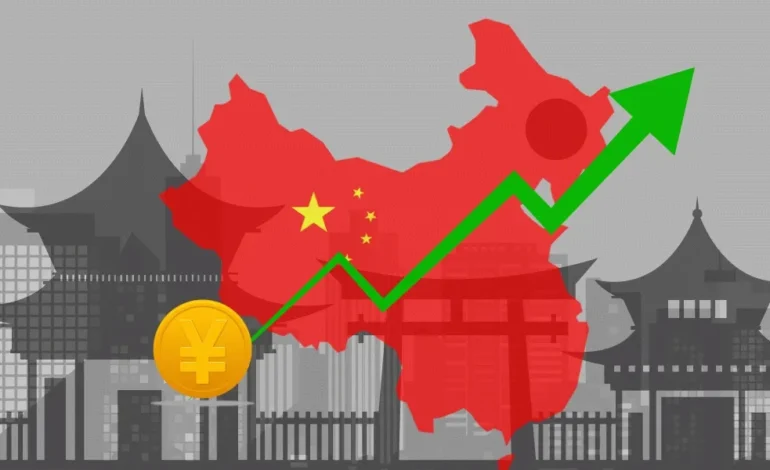
China’s WealthTech Evolution: Trends and Opportunities

WealthTech, the intersection of wealth management and technology, is transforming the financial landscape in China. Driven by digital platforms, artificial intelligence, and big data analytics, WealthTech solutions offer personalized investment advice, portfolio management, and automated financial services. The sector caters to a rapidly growing middle class, high-net-worth individuals, and tech-savvy millennials seeking efficient, transparent, and accessible financial solutions. China’s WealthTech ecosystem is characterized by innovation, competition, and regulatory evolution, creating opportunities for financial institutions, startups, and investors alike.
Growth Drivers of WealthTech in China
Several factors contribute to the rapid development of WealthTech. Rising disposable incomes, increasing household savings, and growing interest in investment products have fueled demand for wealth management solutions. Digital literacy and smartphone penetration enable mobile-first financial services. Fintech innovation, including AI-driven advisory tools, robo-advisors, and cloud-based platforms, lowers barriers to entry for consumers seeking sophisticated investment strategies. Regulatory support for digital finance, combined with a competitive market, further accelerates WealthTech adoption.
Personalized and AI-Driven Investment Solutions
WealthTech platforms leverage artificial intelligence to offer personalized investment strategies. AI algorithms analyze market trends, historical data, and individual risk preferences to recommend tailored portfolios. Robo-advisors automate portfolio allocation, rebalancing, and tax optimization, providing accessible investment management without the need for traditional financial advisors. These AI-driven services enhance efficiency, reduce costs, and democratize access to wealth management for a broader audience, including middle-class and younger investors.
Digital Platforms and Mobile Access
Mobile platforms are central to China’s WealthTech evolution. Consumers can manage investments, track market performance, and execute trades from smartphones or tablets. Mobile apps integrate multiple services, including equities, mutual funds, insurance, and alternative investment products. Push notifications, real-time analytics, and interactive dashboards enhance user engagement and financial literacy. Mobile accessibility enables convenience, encourages continuous portfolio monitoring, and empowers users to make informed investment decisions.
Alternative Investment Products and Diversification
WealthTech platforms provide access to a range of alternative investment products, including private equity, venture capital funds, real estate investment trusts (REITs), and structured products. Digital platforms allow users to diversify portfolios beyond traditional equities and bonds. Fractional investment options reduce entry barriers for smaller investors, enabling participation in previously exclusive markets. These diversified offerings enhance portfolio resilience and create opportunities for wealth accumulation across a variety of asset classes.
Integration with Financial Services Ecosystem
Modern WealthTech platforms integrate seamlessly with broader financial services. Payment systems, savings accounts, insurance, and lending services are interconnected, providing a comprehensive financial management ecosystem. Integration allows users to link investment accounts with digital wallets, automate savings, and execute fund transfers efficiently. Connectivity across services streamlines financial planning, enhances liquidity management, and improves overall user experience.
Regulatory Environment and Consumer Protection
China’s WealthTech sector operates under regulatory oversight designed to protect consumers and ensure financial stability. Authorities monitor platform compliance, product transparency, risk disclosures, and investor suitability. Regulatory measures include licensing requirements, capital adequacy standards, and operational guidelines for digital advisors. Compliance ensures that platforms maintain trust, mitigate systemic risk, and promote responsible investment practices while fostering innovation within a controlled framework.
Financial Inclusion and Democratization of Wealth Management
WealthTech democratizes access to professional investment services, reaching populations traditionally underserved by conventional wealth management channels. Middle-class individuals, young professionals, and first-time investors can access portfolio management, advisory tools, and investment analytics through digital platforms. Lower fees, automated services, and simplified interfaces make wealth management more inclusive, fostering financial literacy and encouraging long-term savings and investment behavior.
Emerging Trends in China’s WealthTech
Several trends shape the evolution of WealthTech in China. Gamification of investment platforms increases user engagement by providing interactive learning, rewards, and progress tracking. AI-powered predictive analytics enhance portfolio optimization and risk assessment. Blockchain is being explored for secure and transparent transaction recording. Social investment features, enabling collaborative decision-making and peer recommendations, further enhance user experience. These trends reflect the sector’s dynamic innovation and responsiveness to consumer preferences.
Challenges and Considerations
Despite rapid growth, WealthTech faces challenges including cybersecurity risks, algorithmic bias, and market volatility. Consumer trust is essential, particularly in digital-only advisory platforms. Platforms must balance automation with human oversight, ensuring that AI recommendations are transparent and ethical. Education and financial literacy initiatives are critical to empower users to make informed investment decisions. Robust risk management practices, platform security, and regulatory compliance are essential for sustainable growth in the WealthTech ecosystem.
Opportunities for Investors and Enterprises
WealthTech provides opportunities for both traditional financial institutions and new fintech entrants. Banks can expand digital wealth management offerings and enhance customer engagement. Startups can innovate in AI-driven advisory tools, alternative investment platforms, and cross-service integration. Strategic partnerships, mergers, and acquisitions allow enterprises to scale rapidly and capture market share. As consumer demand for digital, efficient, and personalized investment solutions grows, the sector presents significant commercial potential and avenues for technological advancement.
Future Outlook
The WealthTech sector in China is expected to continue expanding, driven by AI innovation, mobile accessibility, and the growing appetite for diversified investment options. Regulatory frameworks will evolve to balance innovation with consumer protection. Increased adoption of AI, blockchain, and data analytics will enhance personalization, security, and efficiency. WealthTech will play a key role in China’s digital financial ecosystem, promoting financial inclusion, fostering economic participation, and supporting long-term wealth creation for individuals and families across the country.
Conclusion
China’s WealthTech evolution is reshaping investment management by combining digital technology, AI analytics, and mobile platforms. Personalized portfolios, alternative investment access, and integrated financial services provide broader financial inclusion, efficiency, and user engagement. Regulatory oversight ensures transparency and consumer protection while enabling innovation. Despite challenges such as cybersecurity and financial literacy, WealthTech platforms are empowering a new generation of investors, driving economic participation, and contributing to a more inclusive, dynamic, and technology-driven financial ecosystem.